
2 October 2026
What Is a Good Flow Rate for Showers, Taps, and Toilets?
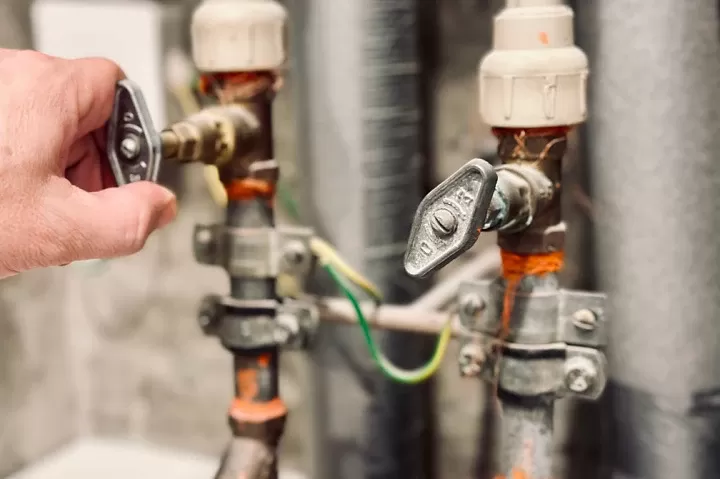
When you turn on a tap or step into the shower, you expect a certain level of performance. If the water trickles out, it’s frustrating; if it blasts out too hard, it splashes everywhere and wastes money.
Finding the "good" flow rate isn't just about comfort, it is about balancing performance with water efficiency and compliance with Australian Standards.
What Flow Rate Means for End-Use Fixtures
Flow rate is the volume of water that passes through a fixture within a specific timeframe. For a homeowner, this translates directly to how quickly you can fill a sink, how powerful your shower feels, and how much hot water you consume.
We often see older homes in Sydney with unregulated fixtures dumping 15 to 20 litres of water per minute. This puts unnecessary strain on your hot water system and drives up utility bills. Conversely, overly restrictive modern fixtures can make simple tasks like rinsing shampoo take twice as long.
For a deeper dive into the mechanics, read our guide on What Is Water Flow Rate? (L/min Explained for Plumbing Systems).
Units Used to Measure Flow Rate
In Australia, we measure flow rate in Litres per Minute (L/min).
When you purchase a new fixture, you will see this number on the WELS (Water Efficiency Labelling and Standards) rating sticker. The higher the star rating, the lower the L/min.
Good Flow Rates for Showers
The shower is where flow rate is most noticeable. You need enough volume to rinse effectively and maintain thermal mass (warmth), but not so much that you drain your hot water tank in five minutes.
Standard Shower Flow Rate Ranges
Ideal Range: 7 to 9 L/min.
Most modern 3-star WELS rated showerheads operate at 9 L/min. This is widely considered the "sweet spot" for residential plumbing. It provides a full spray without excessive waste.
Low-Flow vs High-Flow Showers
- Low-Flow ( These are excellent for water conservation. However, if the head isn't engineered well, the spray can feel needle-like or weak.
- High-Flow (> 15 L/min): Common in older "rain" showerheads. While luxurious, these often require larger pipe diameters to sustain pressure and can overwhelm standard drainage if the floor waste isn't sized correctly.
⚠️ Warning: If you install a high-flow showerhead, ensure your drainage can handle the volume. If water pools at your feet, you may need to check the fall of your waste pipes. You can check the requirements using our Drain Pipe Slope Calculator.
Performance Considerations (Spray Quality and Comfort)
Flow rate is not the same as pressure. You can have a low flow rate (7 L/min) that feels powerful because the showerhead restricts the water to increase velocity. Conversely, you can have a high flow rate with low pressure that feels like a dribble.
If you aren't sure what your current shower is outputting, grab a bucket and a timer, or use our Flow Rate Calculator – Estimate Water Flow in Pipes to get an accurate number.
Good Flow Rates for Bathroom and Kitchen Taps
Not all taps serve the same purpose. We recommend different flow rates for bathrooms compared to kitchens based on how you use them.
Bathroom Sink Tap Flow Rates
Ideal Range: 4 to 6 L/min.
In the bathroom, you are primarily washing hands, brushing teeth, or shaving. You do not need high volume for these tasks. A lower flow rate here saves significant water without impacting usability. Aerators are standard here to make the stream feel soft and non-splashing.
Kitchen Sink Tap Flow Rates
Ideal Range: 8 to 12 L/min.
Kitchen taps have a different job: filling pots, kettles, and sinks for washing up. If you limit a kitchen tap to 4 L/min, filling a pasta pot becomes a tedious wait. We recommend a higher flow rate here for efficiency.
Task-Based Flow Needs
- Handwashing: Low flow is sufficient.
- Food Prep: Moderate to high flow is preferred.
⭐ Pro Tip: If your kitchen tap flow feels low despite a good rating, check if the supply lines are undersized. You can learn more about this in our article on How Pressure, Pipe Size, and Length Affect Water Flow.
Good Flow Rates for Toilets
Toilets are unique because their efficiency is measured by flush volume, but their performance relies on the refill flow rate.
Water Use per Flush vs Flow Rate
- Flush Volume: Modern dual-flush toilets use 4.5L (full) and 3L (half). This is a fixed volume, not a per-minute rate.
- Refill Rate: This is the L/min speed at which the cistern refills after you flush.
Gravity-Fed Toilets
In many older Sydney terraces, the cistern is filled via gravity from a tank in the roof. If the pipe sizing is incorrect, the refill can be agonizingly slow. The internal diameter of the supply pipe is critical here. See why this matters in our guide: Internal Diameter vs Outside Diameter: Why Pipe Size Matters.
Factors That Influence Ideal Flow Rates
Even if you buy a fixture rated for 9 L/min, you might not get that output if your system isn't balanced.
Water Pressure Availability
High static pressure (500kPa+) ensures you get the maximum rated flow from your fixtures. If your home has low pressure, installing a flow-restricted (high star rating) device may result in a dribble.
Fixture Design and Technology
Modern fixtures use aerators and flow restrictors to manipulate the water.
- Aerators: Mix air with water to create a voluminous feel with less water.
- Restrictors: Small discs inside the fixture that limit L/min physically.
User Preference
Ultimately, "good" is subjective. If you prefer a deluge shower, you may need to upgrade your hot water unit capacity and ensure your pipework complies with How to Size Water Pipes Correctly in Australia (AS/NZS 3500).
Flow Rate Standards and Regulations
Water Efficiency Standards (WELS)
In Australia, the WELS scheme is mandatory. You cannot legally sell or install certain fixtures that do not meet minimum efficiency standards.
- 0 Stars: Warning label required.
- 6 Stars: Highest efficiency (lowest flow).
Plumbing Code Requirements
AS/NZS 3500 dictates that we must manage excessive pressure. If your mains pressure exceeds 500kPa at any outlet within a building, a pressure limiting valve (PLV) must be installed. This protects your fixtures but will cap your maximum potential flow rate.
Balancing Flow Rate and Water Efficiency
Minimum Flow for Effective Performance
We generally advise against going below 6 L/min for showers or 3 L/min for basins unless required for specific green-building certifications. Below these levels, users often double-flush or run showers longer to get clean, negating the water savings.
Tradeoffs Between Comfort and Conservation
For most households, a 3-star WELS rating (approx. 9 L/min for showers) offers the best balance. It feels like a "real" shower but still conserves water compared to older fittings.
Selecting Fixtures with Appropriate Ratings
When selecting fixtures:
- Check the L/min number, not just the stars.
- Consider your hot water system (instantaneous systems need a minimum flow rate to ignite).
- Match the fixture to the task (high flow for kitchen, low flow for basin).
If you are unsure if your current system can support the fixtures you want, give GPS Gas Plumbing Services a call at 0411 829 187. We can measure your pressure and flow to ensure you get the performance you expect.