
2 October 2026
Home Improvement: What Everyone Should Know About Plumbing
You probably don’t think much about your plumbing. Most of us don’t. You turn on the tap, water comes out. You flush the toilet, everything disappears. It feels simple, almost automatic.
But behind your walls is a system doing a surprisingly complex job every second of the day. And when it fails, it fails in ways that are messy, expensive, and sometimes urgent.
The truth is, you don’t need to be a plumber to avoid disaster. But you do need to understand a few basics.
The invisible system that runs your home
At its core, your home’s plumbing is doing two jobs at once.
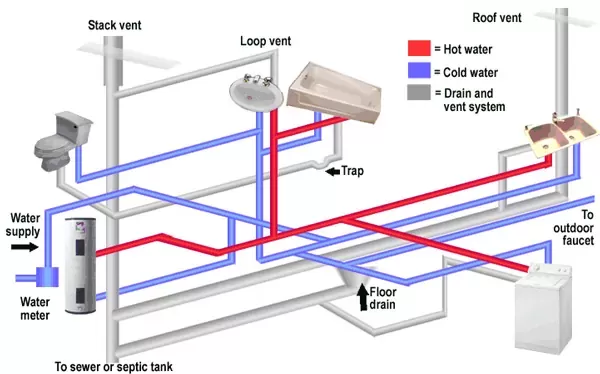
First, it delivers clean water into your house under pressure. That is what makes it possible for water to flow instantly when you open a faucet.
Second, it removes wastewater using gravity. Every time you drain a sink or flush a toilet, water and waste move downhill through a separate network of pipes.
That might sound straightforward, but there is a third element that people often miss. Air.
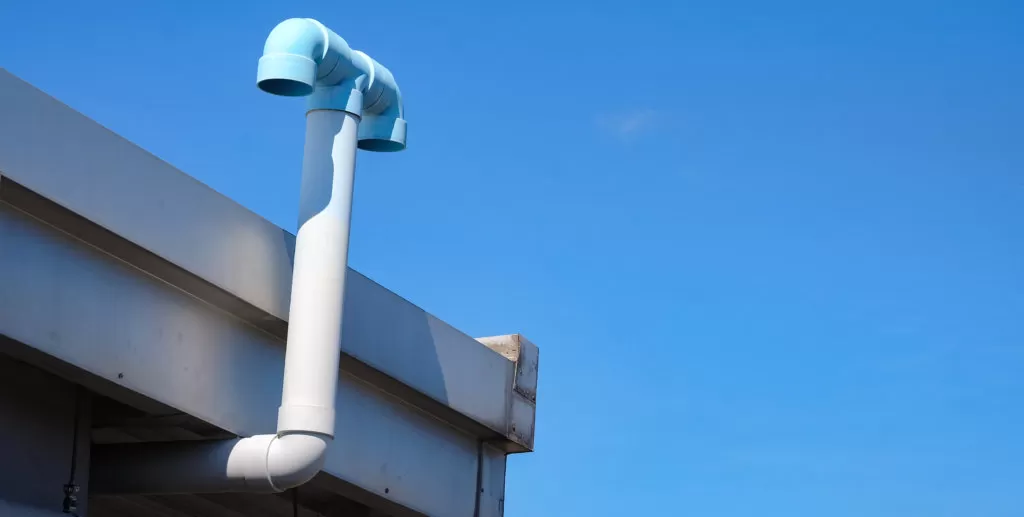
Your plumbing system relies on ventilation to keep everything flowing smoothly. Without proper airflow, drains would gurgle, water would slow down, and unpleasant smells could enter your home. That is why pipes extend up through your roof. They are not mistakes. They are essential.
A useful way to think about plumbing is this. It is a carefully balanced system of pressure, gravity, and air. When one of those elements is disrupted, problems begin.
The parts of your plumbing that actually matter to you
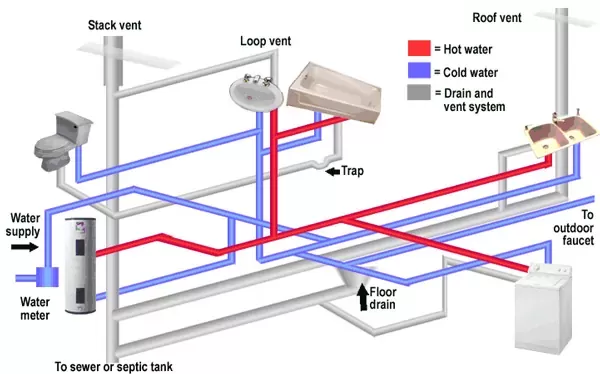
You do not need to memorize every pipe in your house. But there are a few components every homeowner or renter should know.
Start with your main water shutoff valve. This is the single most important control in your home. If a pipe bursts, turning this valve off quickly can mean the difference between a minor inconvenience and thousands of dollars in damage.
Then there is your water heater. It quietly does one of the most energy intensive jobs in your home. Over time, sediment builds up inside it, reducing efficiency and shortening its lifespan. A little maintenance can add years to its use.
Pipes themselves also matter, especially what they are made of. Older homes may have copper or even galvanized steel pipes, while newer homes often use flexible plastic called PEX. Each material has different strengths and weaknesses, but for most people the key point is simple. Pipes age, and aging pipes are more likely to leak.
Finally, there are the fixtures you interact with every day. Sinks, toilets, and showers are where most plumbing problems show up first. If something is going wrong, this is usually where you will notice it.
The rules plumbers wish everyone followed
If plumbers could give every homeowner a short list of rules, it would probably look like this.
Do not pour grease down the drain. It might go down as a liquid, but it cools and solidifies inside your pipes, slowly creating blockages.
Do not flush anything except toilet paper and human waste. Products labeled “flushable” often are not, at least not for your plumbing system.
Fix leaks early. A dripping faucet might seem minor, but small leaks add up over time, both in water waste and damage.
Pay attention to slow drains. They are often the first warning sign of a clog forming deeper in the system.
And most importantly, know where your shutoff valve is before you need it.
These rules are simple, but ignoring them is one of the most common ways people end up with major plumbing problems.
The problems you are most likely to face
Plumbing issues tend to follow predictable patterns.
A dripping faucet is often caused by a worn out washer or cartridge. It is a small issue, but one that can waste more water than you might expect over weeks or months.
Clogged drains are another common problem. Hair, soap residue, and grease slowly build up inside pipes. Many people reach for chemical drain cleaners, but these can damage pipes over time and often do not fully solve the problem.
Running toilets are surprisingly expensive. A faulty flapper valve can allow water to continuously flow, sometimes wasting hundreds of gallons a day without obvious signs.
Low water pressure can be more complicated. It might be caused by mineral buildup, hidden leaks, or even issues with the municipal water supply.
And then there are burst pipes. These are less common but far more serious. In colder climates, freezing water expands inside pipes and can cause them to crack or rupture. When the ice melts, water flows freely into places it should never be.
What you can fix yourself and what you should not
There is a wide gap between basic plumbing fixes and jobs that require a professional.
Many common issues are surprisingly manageable. Unclogging a drain with a plunger or a simple drain snake is often enough. Replacing a showerhead or fixing a running toilet can usually be done with minimal tools and a bit of patience.
But some problems go beyond DIY territory.
If there is a leak inside your walls, if your water pressure suddenly drops throughout the entire house, or if you suspect a sewer line issue, it is time to call a professional. The same goes for any major installation or anything involving gas lines.
A good rule of thumb is this. If the fix requires opening walls, cutting pipes, or diagnosing something you cannot see, it is probably not a beginner job.
The case for preventative maintenance
One of the most overlooked aspects of plumbing is how preventable many problems are.
Flushing your water heater once a year can reduce sediment buildup. Checking under sinks for small leaks can catch problems early. Insulating pipes in colder areas can prevent freezing.
Even simple habits, like periodically cleaning drains without harsh chemicals, can extend the life of your system.
Plumbing failures often feel sudden, but many of them develop slowly over time. Maintenance is what interrupts that process.
Your plumbing and your water bill
Plumbing is not just about convenience. It also affects how much you pay each month.
A single hidden leak can quietly increase your water bill. Inefficient fixtures use more water than necessary. Small changes, like fixing leaks promptly or installing more efficient showerheads, can make a noticeable difference.
There is also a broader impact. Reducing water waste is not just about saving money. It is part of using a shared resource more responsibly.
What to do when something goes wrong
When a plumbing emergency happens, the first few minutes matter.
The first step is to shut off the main water valve. This stops the flow of water and prevents further damage.
If there is significant flooding, turning off electricity in affected areas can reduce safety risks.
From there, try to contain the water if possible and call a plumber.
The key point is simple. Preparation matters more than reaction. Knowing what to do ahead of time is what limits the damage.
The bottom line
Plumbing is easy to ignore because it is designed to stay out of sight. But it is one of the most important systems in your home.
You do not need expert knowledge to manage it well. What you need is awareness. Understanding how it works, recognizing early warning signs, and knowing when to act.
The difference between a minor inconvenience and a major repair is often not luck. It is preparation.