
2 October 2026
Early Signs of a Blocked Sewer Drain You Shouldn’t Ignore
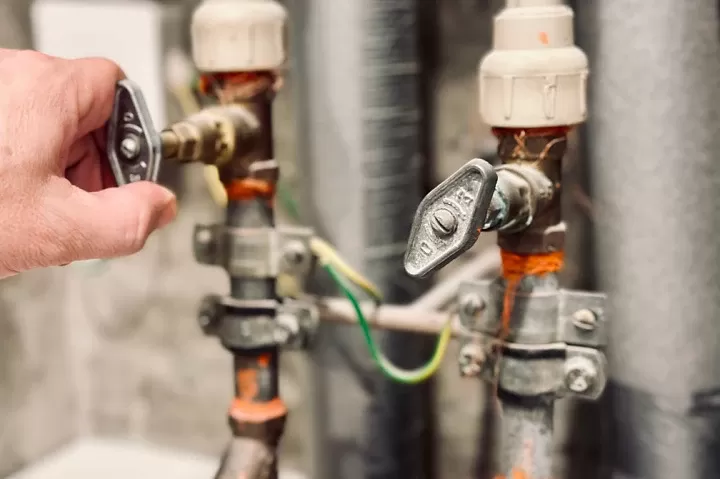
A blocked sewer drain is one of the most frustrating plumbing problems homeowners can face. Unlike a simple clogged sink or shower drain, a sewer blockage can affect your entire plumbing system. If left untreated, it can lead to serious issues such as wastewater backing up into your home, unpleasant odors, property damage, and costly repairs.
The good news is that sewer blockages rarely happen overnight. In most cases, your plumbing system will give you warning signs long before the situation becomes a plumbing emergency. Recognizing these early signs can help you take action quickly and prevent a minor issue from turning into a major problem.
In this article, we’ll explore the most common early signs of a blocked sewer drain and why you should never ignore them.
1. Multiple Drains Are Clogging at the Same Time
One of the clearest indicators of a sewer line blockage is when several drains in your home start clogging simultaneously.
For example, you might notice:
- The toilet drains slowly
- The shower fills with water
- The kitchen sink backs up
If only one fixture is blocked, the problem is usually localized. However, when multiple drains are affected, the issue is often deeper within the main sewer line.
This happens because all the drains in your home connect to the same sewer pipe. When that pipe becomes partially blocked, wastewater struggles to pass through, causing slow drainage throughout the house.
Ignoring this sign can eventually result in sewage backing up into the lowest drains in your home, such as basement drains or showers.
2. Slow Draining Water
Slow drainage is one of the earliest warning signs of a sewer blockage. While it’s common for sinks or showers to drain slowly due to hair, grease, or soap buildup, persistent slow drainage throughout the home may indicate a more serious issue.
You might notice:
- Water taking longer to drain in sinks
- Showers filling with water before draining
- Toilets taking longer to flush completely
At first, the problem might seem minor. However, slow drainage often means there is a partial obstruction forming inside the sewer pipe.
Over time, debris such as grease, soap scum, food waste, or tree roots can accumulate and narrow the pipe, restricting water flow.
If slow drainage continues or worsens, it’s best to have the sewer line inspected before the blockage becomes complete.
3. Gurgling Sounds from Drains
Strange noises coming from your plumbing are another common early sign of sewer problems.
If you hear gurgling or bubbling sounds when water drains, it usually means that air is trapped inside the pipes.
You may hear these sounds when:
- Flushing the toilet
- Running the washing machine
- Draining water from a sink or bathtub
These noises occur because water is struggling to move past a blockage. As the water forces its way through, air pockets form and create the gurgling sound.
While occasional noise can be normal, repeated gurgling is often a sign that something is obstructing the sewer line.
4. Unpleasant Sewage Smells
A healthy plumbing system should never produce strong sewage odors inside your home.
If you start noticing a rotten or sewer-like smell coming from drains, bathrooms, or basements, it could mean that wastewater isn’t flowing properly through the sewer pipes.
Possible reasons include:
- A developing sewer line blockage
- Wastewater trapped inside pipes
- Broken or cracked sewer pipes
Sewer gas odors are not only unpleasant but can also pose health risks if left unresolved. If you notice persistent smells around your drains, it’s important to investigate the issue quickly.
Often, this smell appears before a full sewer backup occurs, making it a critical early warning sign.
5. Water Backing Up in Unexpected Places
Water backing up in unusual places is one of the most obvious warning signs of a sewer drain blockage.
For example, you might notice:
- Water coming up through a shower drain when you flush the toilet
- Water backing up in the bathtub when the washing machine runs
- Sink water appearing in another drain
This happens because blocked sewer lines force wastewater to find another exit point.
Since all drains connect to the main sewer pipe, the water may push backward through the nearest available drain when it cannot move forward.
If this occurs, it’s a strong indication that your sewer line is partially or fully blocked and requires immediate attention.
6. Frequent Toilet Issues
Toilets are often the first fixtures to show signs of sewer problems.
Watch out for these symptoms:
- Toilets that flush slowly
- Water levels rising unusually high after flushing
- Frequent toilet clogs
If plunging temporarily solves the problem but the issue returns repeatedly, it may not be a simple toilet blockage.
Instead, it could mean that the sewer line is restricted, preventing wastewater from flowing properly.
Ignoring recurring toilet problems can eventually lead to sewage backing up into the bathroom.
7. Lush or Soggy Patches in the Yard
Sometimes the signs of a sewer blockage appear outside your home rather than inside.
If your sewer line runs under your yard, you might notice:
- Unusually green or lush grass in certain areas
- Wet or soggy patches of soil
- Foul odors outdoors
This can occur when a sewer pipe is damaged or blocked, causing wastewater to leak into the surrounding soil.
While it might initially seem like healthy grass growth, it could indicate a leaking sewer pipe that needs immediate inspection.
Ignoring this problem can lead to significant structural and environmental damage.
8. Pest and Insect Problems
Blocked sewer drains can also attract pests and insects.
Rodents, cockroaches, and flies are often drawn to sewage odors and stagnant water. If you suddenly notice increased pest activity around your drains or yard, it could be connected to sewer issues.
Sewer blockages create the perfect environment for pests to thrive, making it essential to address the problem before it worsens.
Common Causes of Sewer Drain Blockages
Understanding what causes sewer blockages can help prevent them in the future.
Some of the most common causes include:
Tree roots
Tree roots naturally grow toward moisture and can invade sewer pipes through small cracks.
Grease and fat buildup
Cooking oils and grease can solidify inside pipes, gradually restricting water flow.
Foreign objects
Items such as wipes, sanitary products, paper towels, and hygiene products can easily block sewer lines.
Aging or damaged pipes
Older sewer pipes may crack, collapse, or corrode over time.
Heavy rainfall or flooding
Excess water can overwhelm sewer systems and worsen existing blockages.
Why You Shouldn’t Ignore Sewer Blockage Signs
Ignoring the early signs of a blocked sewer drain can lead to serious consequences, including:
- Sewage backups inside the home
- Water damage to floors and walls
- Expensive plumbing repairs
- Health risks from bacteria and mold
The longer a blockage remains untreated, the worse the damage can become.
Addressing the issue early can save homeowners significant stress, time, and money.
What to Do If You Suspect a Sewer Blockage
If you notice any of the warning signs mentioned above, it’s best to act quickly.
Here are a few steps you can take:
- Stop using affected drains to avoid worsening the blockage.
- Check for visible clogs in sinks or shower drains.
- Avoid chemical drain cleaners, which may damage pipes.
- Contact a professional plumber for a proper inspection.
Professional plumbers use advanced tools such as drain cameras and high-pressure water jetting to identify and remove sewer blockages safely.
Final Thoughts
A blocked sewer drain is a problem no homeowner wants to face, but the good news is that it usually provides early warning signs. From slow drainage and gurgling sounds to unpleasant odors and recurring clogs, your plumbing system often alerts you when something isn’t right.
By recognizing these early signs and acting quickly, you can prevent severe plumbing issues and protect your home from costly damage.
If you suspect a sewer blockage, it’s always best to contact a qualified plumber who can diagnose the problem and restore your plumbing system before it becomes a major emergency.