
2 October 2026
Internal Diameter vs Outside Diameter: Why Pipe Size Matters
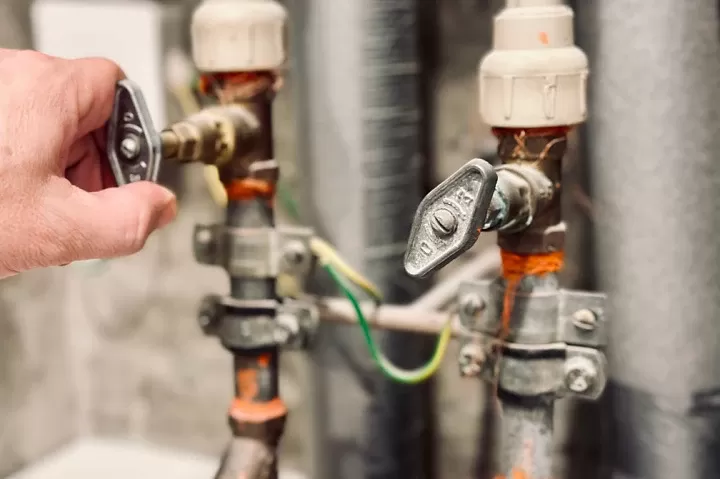
If you have ever bought a fitting that looked like the right size but refused to connect, or wondered why your new shower has poor pressure despite using "standard" pipes, you are likely dealing with the confusion between Internal Diameter (ID), Outside Diameter (OD), and Nominal Size.
In plumbing, a "20mm pipe" is rarely exactly 20mm. Understanding the difference between the physical outer measurement and the actual space available for water to flow is critical for system performance. If you get this wrong, you risk leaks, burst fittings, or a plumbing system that acts choked.
Here is the breakdown of how we distinguish between ID and OD, and why it matters for your Sydney home.
Understanding Pipe Diameter Terminology
Definition of Internal Diameter (ID)
The Internal Diameter (ID) is the measurement of the empty space inside the pipe the actual bore. This is the only measurement that matters when calculating how much water a pipe can carry.
When we talk about volume and flow, we are looking at the ID. If the wall of the pipe is thick, the ID shrinks, even if the overall size of the pipe looks the same from the outside.
Definition of Outside Diameter (OD)
The Outside Diameter (OD) is the measurement across the widest part of the pipe, including the wall thickness. This measurement is critical for fittings and connections.
When you buy a coupling, elbow, or valve, it is designed to grip the OD of the pipe. If the OD is off by even a fraction of a millimeter, compression fittings won't seal, and solvent welds (glued joints) will fail.
Nominal Pipe Size Explained
Nominal Pipe Size (often referred to as DN or "Diameter Nominal") is a trade designation, not an exact measurement. It is a label used to categorize pipes.
For example, in Australia, what we call "20mm copper pipe" (DN20) actually has an OD of 19.05mm. The "20mm" is just a name so plumbers, suppliers, and architects know they are talking about the same category of product. Never use the nominal name as a ruler measurement.
How Internal Diameter Affects Water Flow
Relationship Between ID and Flow Capacity
The relationship between diameter and flow is not linear it is exponential. A small reduction in Internal Diameter results in a massive reduction in water volume.
If you switch from a copper pipe to a PEX pipe of the same nominal size, the thicker walls of the PEX reduce the ID. This restricts the volume of water available at your fixtures.
To see how different pipe dimensions impact the volume you can move, you can use our Flow Rate Calculator – Estimate Water Flow in Pipes.
Velocity Changes with Different Internal Diameters
As water moves through a narrower ID, it must speed up to maintain the same flow rate. While high velocity might sound good, in plumbing, it is dangerous. High velocity (typically over 2-3 meters per second) causes:
- Water hammer (loud banging pipes).
- Erosion of the pipe walls (especially in copper).
- Noise transfer through walls.
Pressure Loss and Friction Effects
Friction is the enemy of water pressure. The smaller the ID, the more surface area the water touches relative to the volume flowing through. This creates drag.
If you undersize a pipe's ID, you lose pressure simply moving the water from the meter to the shower. This is explained further in our guide on How Pressure, Pipe Size, and Length Affect Water Flow.
Role of Outside Diameter in Plumbing Systems
Compatibility with Fittings and Connectors
Plumbing systems are assembly kits. The fittings whether they are crimped, soldered, or compressed rely on the Outside Diameter being consistent.
- Compression fittings: Use an olive (ring) that compresses against the OD.
- Push-fit systems: Use O-rings that seal around the OD.
If you try to use a fitting designed for a different material (even if it says the same size), the slight variance in OD will cause a leak.
Structural Strength and Pressure Rating
The OD generally remains constant for a specific pipe size category so that fittings remain compatible. However, to handle higher pressures, manufacturers increase the wall thickness. Since the OD stays the same, the extra wall thickness grows inward, reducing the ID.
Impact of Wall Thickness
Wall thickness determines the pressure rating (PN rating). A pipe rated for high-pressure mains supply will have thicker walls than a gravity-fed drain pipe. This structural necessity directly impacts how much water you can move through the pipe.
ID vs OD Across Different Pipe Materials
Different materials have vastly different ID/OD ratios.
Copper Pipes
In Australia, we primarily use Type A and Type B copper.
- Type B: The standard for residential water.
- Type A: Thicker walls, used where there is a risk of damage or higher pressure. Because Type A has thicker walls but keeps the same OD (to fit standard elbows), it has a slightly smaller ID than Type B.
PVC and CPVC Pipes
PVC is notoriously confusing for homeowners because pressure pipe and drainage pipe use different sizing standards.
- DWV (Drain, Waste, Vent): Sized based on ID nominals but measured strictly by OD for compatibility.
- Pressure PVC: High wall thickness results in a much smaller bore than the pipe appears to have.
PEX Pipes
Cross-linked polyethylene (PEX) is flexible and popular, but it requires a much thicker wall than copper to hold the same pressure.
- The Issue: A 20mm PEX pipe has a significantly smaller ID than a 20mm copper pipe.
- The Result: If you replace copper with PEX, you often need to upsize the PEX to maintain the same flow rate.
Steel Pipes
Galvanized steel is rare in new Sydney homes but common in older builds. Steel has very thick walls. Over time, rust builds up internally, reducing the effective ID to almost nothing, even though the OD looks fine.
Why Nominal Pipe Sizes Can Be Misleading
Differences Between Nominal Size and Actual ID/OD
As mentioned, "Nominal" is a label.
- DN20 Copper: OD is 19.05mm.
- DN20 PEX: OD is usually 20mm exactly.
- DN20 PVC: Dimensions vary by pressure class.
This mismatch is why you cannot mix materials without specific adaptors.
Variations Between Standards and Regions
Australia operates under AS/NZS 3500. A "3/4 inch" pipe bought online from a US supplier will likely not fit "20mm" Australian fittings, even though the math suggests they are close. Always buy materials certified for Australian use to ensure the OD matches local fittings.
Implications for Pipe Selection
When we select pipe, we look at the Nominal size for the fittings, but we calculate based on the actual ID. If you select pipe based solely on the label on the shelf, you may end up with a system that restricts flow.
Pipe Wall Thickness and Its Impact
Schedule and Class Ratings
In plastic piping, you will see "Class" (e.g., Class 12, Class 18). Higher numbers mean higher pressure tolerance.
- Higher Class = Thicker Wall = Smaller ID.
- Lower Class = Thinner Wall = Larger ID (but weaker pipe).
How Wall Thickness Reduces Internal Diameter
We see this mistake often in irrigation or DIY lines. A homeowner buys the highest rated pressure pipe thinking it is "better." However, the extra wall thickness chokes the flow. You want the correct pressure rating, not necessarily the highest one.
Tradeoffs Between Strength and Flow Capacity
It is a balancing act. We need enough wall thickness to prevent bursts and handle Sydney’s mains pressure, but we want the largest ID possible for good shower pressure.
Practical Implications for Plumbing Design
Flow Rate Calculations Based on ID
Professional design always starts with the Internal Diameter. We determine how many liters per minute (L/min) your fixtures need, then select a pipe with an ID large enough to deliver that volume without excessive velocity.
For an explanation of the target numbers we aim for, see What Is Water Flow Rate? (L/min Explained for Plumbing Systems).
Pressure Drop Errors from Using OD
If you calculate pressure drop using the Outside Diameter, your math will suggest the pipe can handle way more water than it actually can. This leads to low pressure at the tap.
Sizing Errors When Mixing Pipe Materials
Renovations are where this goes wrong. If you extend a 20mm copper line with 20mm PEX, you have effectively installed a restrictor valve because the PEX ID is smaller.
If you are planning a renovation, review How to Size Water Pipes Correctly in Australia (AS/NZS 3500) to understand the sizing rules we follow.
Common Installation and Design Mistakes
Assuming Equal Flow for Same Nominal Size
The Mistake: Believing that 20mm PEX delivers the same water volume as 20mm Copper. The Reality: PEX fittings sit inside the pipe, further reducing the bore. A crimp fitting on PEX creates a significant bottleneck compared to a brazed copper joint.
Mismatching Pipes and Fittings
The Mistake: Using compression fittings on plastic pipes without a stiffener insert, or using solvent weld glue on incompatible plastics. The Reality: If the OD isn't supported correctly or chemically compatible, the joint will blow under pressure.
Ignoring Manufacturer Specifications
The Mistake: Guessing the cut depth or insertion depth. The Reality: Modern fittings require precise pipe preparation. If the OD is scratched, oval-shaped (from poor cutting), or dirty, O-ring fittings will leak.
⭐ Pro Tip: When in doubt, measure. Use digital calipers to check the OD before buying fittings, and check the ID if flow rate is your priority. If you are dealing with gas pipes or mains water modifications, this is licensed work call a professional.
If you are unsure about your pipe sizing or are experiencing pressure drops after a recent repair, contact GPS Gas Plumbing Services on 0411 829 187. We can diagnose flow restriction issues and ensure your system is sized correctly.