
2 October 2026
How to Size Water Pipes Correctly in Australia (AS/NZS 3500)
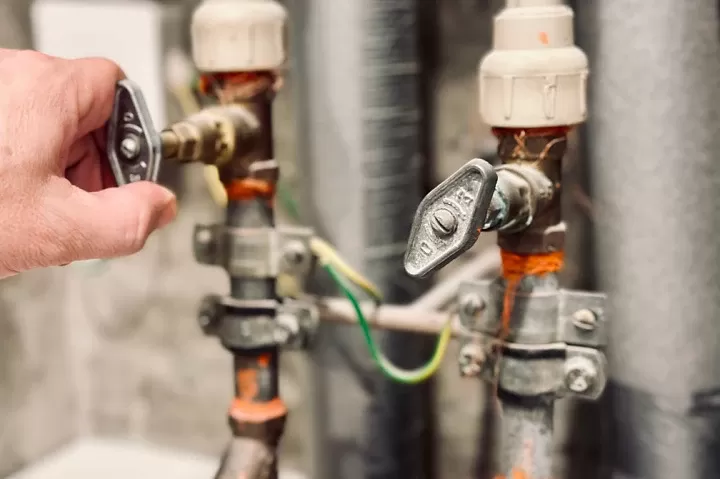
At GPS Gas Plumbing Services, we find that incorrect pipe sizing is the root cause of many common plumbing complaints in Sydney. This ranges from low shower pressure to noisy pipes known as water hammer.
Sizing water services is not just about connecting two points. It is a calculated process governed strictly by AS/NZS 3500: Plumbing and Drainage. If the calculations are wrong, the system will fail to deliver adequate flow during peak usage. It may also suffer from erosion and premature failure.
This guide explains the technical logic we use to size pipes correctly for Australian properties.
Overview of Pipe Sizing Under AS/NZS 3500
Purpose of Correct Pipe Sizing
The goal of sizing is to ensure that sufficient water volume and pressure reach every fixture. This must happen even when multiple taps are running simultaneously. It is a balancing act.
- Undersized pipes cause excessive pressure drop. This results in a weak shower when someone flushes a toilet.
- Oversized pipes increase material costs unnecessarily. In drainage contexts, they can lead to reduced velocity that fails to scour the lines.
Scope of AS/NZS 3500 for Water Services
AS/NZS 3500.1 covers the sizing of cold water services. AS/NZS 3500.4 covers heated water services. These standards provide the mathematical framework that licensed plumbers must use. We utilize specific tables, graphs, and formulas to calculate pipe diameters based on the probable simultaneous demand of the property.
Cold Water vs Heated Water Pipe Sizing
The hydraulic principles are similar, but heated water systems introduce variables like thermal expansion. We also must consider the specific flow requirements of the water heater, especially for continuous flow units. We size the cold water main to handle the total load of the building. Hot water lines are sized to minimize heat loss and delivery time while maintaining adequate flow.
Key Concepts Used in AS/NZS 3500 Pipe Sizing
Flow Rate Demand
Every fixture in your home requires a specific flow rate to function correctly. A standard shower might need 9 to 12 litres per minute (L/min). A toilet cistern typically fills at around 6 L/min.
If you are noticing consistent pressure drops, understanding the basics of flow is the first step in diagnosis. What Is Water Flow Rate? (L/min Explained for Plumbing Systems)
Loading Units and Fixture Units
AS/NZS 3500 uses a system of "Loading Units" (LU) rather than simple flow rates for sizing. This assigns a weight to every fixture based on its usage pattern.
- Toilet Cistern: 2 LU
- Kitchen Sink: 3 LU
- Bath: 4 LU
We sum these units to determine the Probable Simultaneous Demand (PSD) for the entire property or a specific pipe section.
Simultaneous Demand Principles
You rarely use every tap in the house at once. The standard uses diversity factors to calculate the likely peak flow. For example, a house might have fixtures totaling 40 Loading Units. However, the sizing tables might only require the main pipe to supply enough water for 25 Loading Units at any given second.
Allowable Pressure Loss
Water loses energy as it travels through pipes due to friction. This is known as pressure loss. The code dictates that we must maintain a minimum working pressure at the most disadvantaged fixture. This is usually the shower furthest from the meter or on the top floor. The minimum is typically 150 to 200 kPa.
Water Supply Conditions Assessment
Available Supply Pressure
Before we size a single pipe, we must know the pressure supplied by Sydney Water at the meter. High static pressure allows for smaller pipes. Low supply pressure requires larger diameters to reduce friction loss.
Static vs Residual Pressure
- Static Pressure: The pressure when no water is flowing.
- Residual Pressure: The pressure remaining in the main while water is flowing.
Residual pressure is the critical number. If the street pressure drops significantly when water is drawn, your internal pipes must be sized more generously to compensate.
Connection Type (Mains, Tank, Pumped Systems)
Sizing changes depending on the source. Mains supply usually offers consistent pressure. Rainwater tank systems rely on pump curves. If you are switching from mains to a pump-fed system, the pipework must be verified to ensure it can deliver the required volume. You can check your requirements using our Flow Rate Calculator.
Determining Fixture Demand
Assigning Loading Units to Fixtures
We perform a fixture count of the property. Every outlet is logged. High-flow fixtures, such as luxury rain showers or body jets, often exceed standard Loading Unit tables. These must be calculated using their specific manufacturer specifications.
Total Loading Units per Pipe Section
Sizing is done in sections.
- Main Run: Carries the load for the whole house.
- Branches: Carry the load only for the specific room.
- Fixture Drops: Carry the load for a single item.
Diversity Factors in Residential Systems
In a single residential dwelling, the Probable Simultaneous Demand curve is generous because user behaviour is predictable. In commercial settings, diversity factors are much lower because it is likely all showers will be used at once.
Pipe Material Considerations
Approved Pipe Materials Under AS/NZS 3500
Common materials include Copper (Type A and B), PEX (Cross-linked Polyethylene), and Composite (PEX-AL-PEX).
Internal Diameter Differences by Material
This is where many DIY attempts fail. A "20mm" pipe is not the same across all materials.
- Copper: Thin walls with a larger internal bore.
- PEX or Composite: Thicker walls with a smaller internal bore.
Replacing a 20mm copper pipe with a 20mm PEX pipe often results in a flow restriction because the actual path for the water is narrower. Internal Diameter vs Outside Diameter: Why Pipe Size Matters
Roughness and Long-Term Flow Performance
Plastic pipes are generally smoother than metal and offer less friction resistance. However, copper is bacteriostatic and rigid. We select material based on the application, but we always adjust sizing calculations to match the specific friction characteristics of the material chosen.
Pipe Length and Layout Factors
Developed Pipe Length
We measure the total distance water must travel from the meter to the furthest fixture. This is the index length. The longer the run, the more pressure is lost to friction. This often necessitates a larger pipe diameter.
Vertical Rise and Elevation Loss
Gravity works against water moving upward. For every 10 metres of vertical rise, you lose approximately 100 kPa of pressure. This is called head loss. In a two-storey home, this loss must be subtracted from the available supply pressure before sizing the pipes.
Impact of Pipe Routing on Pressure Loss
A straight pipe is ideal but rare. Every time a pipe turns a corner, turbulence is created. We try to design layouts with minimal bends to preserve pressure.
Friction Loss and Pressure Drop
Friction Loss Tables in AS/NZS 3500
The standard provides tables that correlate flow rate, pipe size, and pressure loss. We use these to determine if a chosen pipe size will result in acceptable pressure at the outlet.
To understand the physics behind this, you can read about How Pressure, Pipe Size, and Length Affect Water Flow.
Velocity Limits
Water should not move too fast. AS/NZS 3500 caps water velocity (typically at 3.0 m/s) to prevent several issues:
- Water Hammer: Loud banging when valves close.
- Erosion Corrosion: Wearing away the inside of copper pipes.
- Noise: Excessive whooshing sounds in walls.
Minor Losses from Fittings and Valves
Elbows, tees, and isolation valves all add equivalent length to the pipe run. A single globe valve can create as much resistance as several metres of straight pipe. We account for these minor losses in the final calculation.
Pipe Diameter Selection Process
Matching Flow Demand to Pipe Size
Using the index length and the total Loading Units, we select a nominal diameter from the AS/NZS 3500 sizing tables. Common sizes are DN20 or DN25.
Verifying Pressure at Critical Fixtures
Once a size is selected, we verify it. We check if the pressure at the shower head meets the minimum requirement after accounting for elevation and friction loss. If it is too low, we upsize the main run.
Iterative Sizing Across Pipe Sections
Sizing is often calculated in reverse. We start at the fixture to ensure it gets what it needs. Then we work backward to the main line. We accumulate loading units as we go to ensure the main supply can feed all branches.
Sizing for Heated Water Systems
Temperature Effects on Flow and Pressure
Hot water pipes expand. If they are not sized and clipped correctly, this expansion creates noise.
Continuous Flow vs Storage Systems
Warning: Continuous flow gas water heaters have high hydraulic resistance. They act like a bottleneck. We often need to run larger supply lines to these units. This ensures they trigger correctly and maintain temperature stability.
Circulation and Return Pipe Sizing
In larger homes with ring mains, sizing is critical. The pump must be able to push water through the entire loop without excessive energy usage or heat loss.
Special System Considerations
Multi-Storey Buildings
Upper floors suffer the most from pressure drop. We often zone these systems or install pressure booster pumps. This ensures the top-floor shower feels the same as the ground-floor tap.
Long-Run and Remote Fixtures
Garden taps or granny flats located far from the meter require significantly larger pipes. A 20mm pipe might be fine for the house. However, if you run it 50 metres to a shed, you will likely get a trickle.
Pumped and Pressure Boosted Systems
When mains pressure is insufficient, we install booster pumps. The suction and discharge piping for pumps must be sized according to manufacturer specs. This prevents cavitation, which involves air bubbles that damage the pump.
Compliance and Verification
Documentation Requirements
For major renovations or new builds, we submit a hydraulic design or log the sizing method used. This is part of the compliance certificate we issue.
Common Sizing Errors and Non-Compliances
- Guesswork: Installing 15mm pipe everywhere because it is cheaper.
- Ignoring Material ID: Swapping copper for PEX without upsizing.
- Overlooking Head Loss: Forgetting to account for the second storey elevation.
Final Checks Against AS/NZS 3500 Tables and Limits
Before we commission the system, we perform a hydrostatic pressure test. While this primarily checks for leaks, it also confirms system integrity. Ultimately, the real test is turning on the shower and the kitchen mixer simultaneously. If sized correctly, the temperature should not fluctuate, and the flow should remain steady.
⭐ Pro Tip: If you are planning a renovation, do not assume existing pipes are adequate for new, high-flow fixtures. Ask us to assess the capacity of your current service first.