
Natural gas is a safe and efficient energy source when handled properly. However, leaks can be extremely dangerous, causing fires, explosions, or serious health issues. Recognizing the signs of a gas leak and understanding the appropriate emergency procedures is essential for every homeowner and business owner.
The Smell: Rotten Eggs or Cabbage
One of the most immediate and recognizable indicators of a gas leak is the distinct smell of rotten eggs, sulfur, or old cabbage. This odor is deliberately added to natural gas for safety purposes, as natural gas itself is colorless and odorless. The chemical responsible for this smell is tert-Butylthiol, which alerts occupants to the presence of gas.
A Note on False Alarms: Sometimes odors can mimic gas, such as sewer gases or nearby chemical reactions. Always verify by checking other signs before assuming a leak.
Other Signs of a Gas Leak
1. Auditory Signs
A hissing or whistling sound near gas pipes, valves, or meters can indicate that gas is escaping under pressure. Even a small hiss should never be ignored.
2. Visual Signs (Indoors and Outdoors)
- Dead or Dying Plants: Patches of brown, dead grass directly over a buried gas line while surrounding vegetation remains green could indicate an underground leak. Gas displaces oxygen in the soil, killing plants.
- Bubbles in Water: After rainfall, bubbles forming in puddles near your gas line could signal gas escaping from underground.
- Dust Clouds: Pressurized leaks in dry soil may blow dust or dirt into the air, creating small unexplained clouds near the ground.
- Insect Activity: Certain insects, such as flies, are attracted to the odorant in gas. Swarms around meters or pipes warrant inspection.
Physical Symptoms of Exposure
- Headaches: A sudden throbbing headache is often the first sign of gas exposure.
- Nausea and Dizziness: Feeling lightheaded, faint, or sick to the stomach may indicate inhalation of gas.
- Fatigue: An overwhelming sense of tiredness or confusion can occur with prolonged exposure.
- Respiratory Issues: Difficulty breathing, throat irritation, or eye discomfort are red flags that require immediate action.
The Silent Danger: Carbon Monoxide (CO)
Unlike natural gas, Carbon Monoxide is completely odorless, colorless, and tasteless. It is produced by incomplete combustion and is highly toxic, often called the “silent killer.”
Warning Signs of CO Exposure
- Flame Color: Gas flames should burn a crisp blue. Yellow or orange flames may indicate incomplete combustion, producing CO.
- Soot: Black, powdery soot around appliances or walls signals improper burning and possible CO production.
- Condensation: Excessive condensation on windows in rooms with gas appliances may indicate CO production and poor ventilation.
- Pilot Light Issues: Frequently blowing out pilot lights can suggest combustion problems.
Emergency Procedures: What to Do
If You Are Indoors
- Eliminate Ignition Sources: Do not smoke, strike matches, or use lighters. Avoid touching light switches or using phones inside the building to prevent sparks.
- Ventilate: Open doors and windows to allow gas to dissipate and fresh air to circulate.
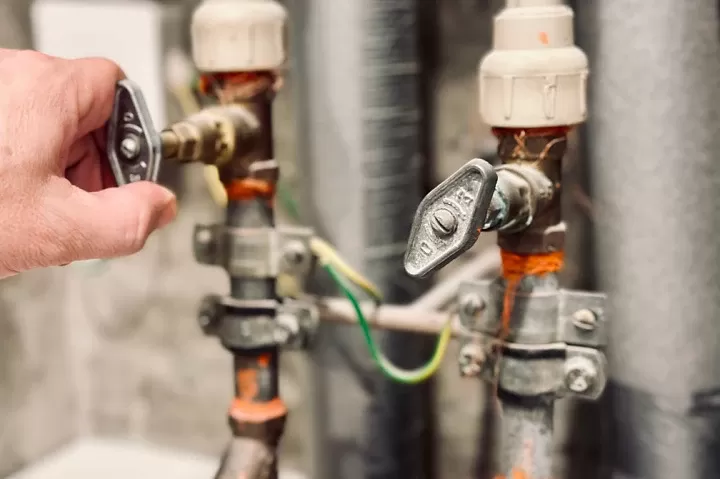
- Shut Off Supply: If safe, turn off the gas at the main valve, usually located at the gas meter.
- Evacuate: Get everyone, including pets, out of the house immediately and move to a safe distance.
- Call for Help: Once safely outside, contact your emergency gas fitter or emergency services. Re-entry is unsafe until cleared by professionals.
If You Are Outdoors
- Move away from the area immediately.
- Do not start vehicles near the leak.
- Report the leak to your gas provider promptly.
Emergency Contacts (Sydney & Surrounds)
In case of a gas emergency, contact emergency services or your gas distributor:
- 000 – Immediate emergencies
- Australian Gas Networks: 1800 427 532
- Jemena Gas: 131 909
Note: Outside Sydney, check your gas bill for your distributor's emergency contact number.
Prevention Tips
- Regular Servicing: Have a licensed gas fitter service your heater, stove, and hot water system at least every two years. Annual servicing is preferable for high-use appliances.
- Inspect Appliances: Keep burners clean and free from grease, food, or debris, which can block flames or create incomplete combustion.
- Watch the Flame: Ensure that flames are blue; yellow flames indicate potential danger.
- Install Detectors: In addition to smoke alarms, install natural gas detectors and Carbon Monoxide alarms for early warning and peace of mind.
- Educate Household Members: Everyone in the home should know the smell of gas and basic emergency procedures.
- Check Connections: Periodically inspect hoses, valves, and pipe joints for wear or damage.
Conclusion
Gas leaks and Carbon Monoxide exposure are serious hazards that require immediate attention. Recognizing warning signs—such as unusual odors, hissing sounds, dead vegetation, or unexplained physical symptoms—can save lives. Regular maintenance, detector installation, and following proper emergency procedures are essential for safety in Sydney homes and businesses. Always rely on licensed professionals for inspections, repairs, or emergencies.
For professional gas fitting services in Sydney, contact GPS Gas Plumbing Services at 0411 829 187 to ensure your property is safe and compliant.