
2 October 2026
What Is Water Flow Rate? (L/min Explained for Plumbing Systems)
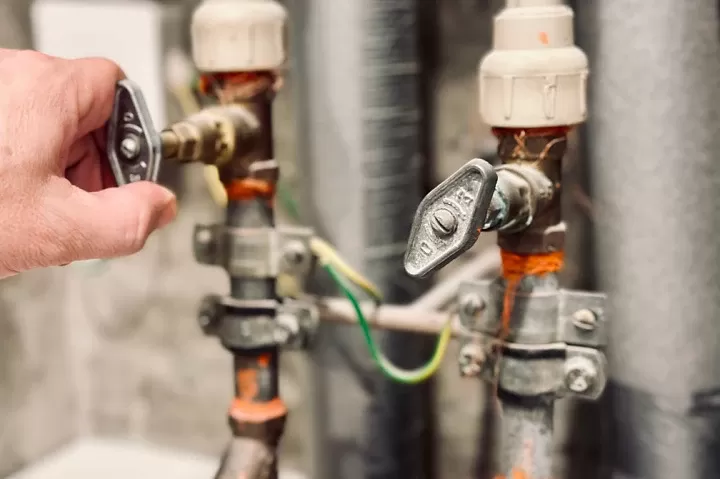
Water flow rate measures the volume of water that passes through a specific point in your plumbing system over a set period of time.
It is distinct from pressure. While pressure is the force pushing the water, flow rate is the actual amount of water delivered. In simple terms, if you open a tap, pressure is how hard the water hits your hand, while flow rate is how quickly a bucket fills up.
Common Units Used (Liters per Minute – L/min)
In Australia, we measure flow rate in Liters per minute (L/min).
While you might see Gallons per Minute (GPM) on imported fixtures or older technical manuals, L/min is the standard unit used for compliance with Australian Standards (AS/NZS 3500) and the Water Efficiency Labelling and Standards (WELS) scheme.
Difference Between Flow Rate and Water Pressure
This is the most common misconception we encounter. High pressure does not guarantee high flow.
- Pressure (kPa): The potential energy or "push" behind the water (measured in kilopascals).
- Flow Rate (L/min): The volume of water moving through the pipe.
You can have high static pressure (500 kPa) but low flow if the pipes are too small, corroded, or restricted by a valve. Conversely, you can have high flow with moderate pressure if the pipe diameter is large enough to handle the volume.
Why Water Flow Rate Matters in Plumbing Systems
Impact on Fixture Performance
Every fixture in your home is designed to operate within a specific flow range.
- Showers: Need sufficient flow to rinse shampoo effectively.
- Toilets: Require a specific dump rate to clear the bowl and push waste down the drain.
- Instant Hot Water Systems: These units require a minimum flow rate (often around 2-3 L/min) to trigger the burner. If the flow is too low, you get no hot water.
Effect on User Comfort and Efficiency
If your flow rate is too low, daily tasks become frustrating. Filling a bath takes forever, and showers feel weak. However, if the flow is too high, you are wasting water and increasing your utility bills without adding any real benefit to the user experience.
Relationship to Plumbing Code Requirements
We don't just guess these numbers. Adhering to correct flow rates ensures your system complies with local regulations. Excessive flow velocities can cause pipe erosion and water hammer, while insufficient flow can lead to sanitation issues.
How Water Flow Rate Is Measured
Measuring Flow Rate at a Fixture
You can perform a basic flow test yourself using the "bucket method":
- Place a bucket of known volume (e.g., 9 Liters) under the tap or shower.
- Turn the water on full.
- Time how long it takes to fill.
- Use our Flow Rate Calculator to convert that time into L/min.
Measuring Flow Rate in a Pipe
Measuring flow inside a pipe without opening it requires ultrasonic flow meters. This is typically done during commercial diagnostics or leak detection. For new installations, we calculate the expected flow based on the pipe size and pressure available.
Tools Used to Measure L/min
- Weir Cup: A specialized cup used by plumbers to gauge flow at a tap instantly.
- Flow Gauge: Attaches to a hose bib to measure flow pressure.
- Stopwatch and Container: The standard method for field diagnostics.
Typical Water Flow Rates in Plumbing
Residential Plumbing Fixtures (Faucets, Showers, Toilets)
Under current efficiency standards (WELS), these are common target rates:
- Standard Taps: 4 to 6 L/min.
- Showers: 7 to 9 L/min is the sweet spot for comfort and efficiency.
- Toilets: Modern cisterns don't measure by minute, but by flush volume (usually 4.5L full flush / 3L half flush).
For a detailed breakdown of what to expect, see What Is a Good Flow Rate for Showers, Taps, and Toilets?.
Appliances (Washing Machines, Dishwashers)
These vary by manufacturer, but generally:
- Washing Machines: Require 8–12 L/min to fill efficiently within the cycle timer.
- Dishwashers: Use very little water but require adequate pressure to fill the internal reservoir.
Commercial vs Residential Flow Rates
Commercial systems operate on a different scale. A fire hose reel requires significantly higher flow than a residential garden tap. Commercial kitchens also use high-flow pre-rinse sprayers that would drain a standard residential hot water system in minutes.
Factors That Affect Water Flow Rate
Pipe Diameter and Length
The size of the pipe is the biggest limiting factor. A 15mm (½ inch) pipe can only carry so much water before friction slows it down. Additionally, the longer the pipe run, the more pressure and flow you lose to friction.
If you are planning a renovation, understanding sizing is critical. Read more on Internal Diameter vs Outside Diameter: Why Pipe Size Matters.
Water Pressure and Supply Conditions
Your flow is limited by what the Sydney Water main supplies to your meter. If the street pressure is low, your house flow will be lower unless boosted by a pump.
Pipe Material and Age
- Copper/PEX: Smooth interiors offer good flow.
- Galvanized Steel: Old galvanized pipes rust from the inside, drastically reducing the internal diameter and flow rate over time.
Valves, Fittings, and Restrictions
Every elbow, tee, and valve adds "equivalent length" to the pipe run, increasing resistance. A globe valve, for example, restricts flow much more than a ball valve.
Simultaneous Water Demand
This is the "peak demand" factor. If the shower, washing machine, and garden hose are running at once, the flow rate at each fixture drops. We size pipes to handle this peak load using specific formulas.
⭐ Pro Tip: For gravity-fed drainage systems, flow rate is determined by the slope of the pipe, not pressure. Incorrect slope causes blockages. Use our Drain Pipe Slope Calculator to see how gradient affects drainage flow.
Understanding L/min in Practical Terms
Converting L/min to Other Units
While plumbers speak in L/min, some pump specifications use Liters per Second (L/s) or cubic meters per hour.
- 1 L/s = 60 L/min (Huge flow, usually commercial).
- 1 GPM (US) ≈ 3.79 L/min.
What Different L/min Values Feel Like in Real Use
- Often feels like a drizzle; insufficient for washing long hair.
- 9 L/min: The standard "good" shower. Strong enough to rinse, efficient enough to save hot water.
- > 15 L/min: Feels luxurious but drains hot water tanks rapidly and wastes water.
Minimum vs Optimal Flow Rates
Optimal flow balances comfort with efficiency. Minimum flow is a functional requirement—if you drop below it, equipment like instant gas heaters or older toilets may fail to operate correctly.
Flow Rate vs Pressure in Plumbing Design
How Pressure Influences Flow Rate
Pressure provides the energy to overcome friction. Generally, increasing pressure increases flow, but only until the pipe reaches its capacity.
Why High Pressure Doesn’t Always Mean High Flow
If you have 500 kPa at the meter but a crimped pipe or a clogged aerator filter at the tap, you will have high static pressure but almost zero flow.
Pressure Loss and Friction Explained
As water moves, it rubs against the pipe walls. This friction eats up pressure. Smaller pipes create more friction. We calculate this loss to ensure that the fixture at the furthest end of the house still gets enough flow.
To understand the physics behind this, review How Pressure, Pipe Size, and Length Affect Water Flow.
Flow Rate Requirements by Plumbing Codes
Maximum Allowable Flow Rates
To conserve water, regulations limit the flow rate of new fixtures. For example, basins in bathrooms are often restricted to 6 L/min.
Water Efficiency and Conservation Standards
In Sydney, WELS ratings are mandatory for new sales. A 3-star shower head is rated for 7.5–9 L/min.
Regional Variations in Code Requirements
AS/NZS 3500 dictates how we size pipes based on "Loading Units." We must ensure that the velocity of water in the pipes does not exceed certain limits (usually 3 meters per second) to prevent pipe failure.
For a technical breakdown of sizing rules, see How to Size Water Pipes Correctly in Australia (AS/NZS 3500).
How to Increase or Reduce Water Flow Rate
Increasing Flow Rate Safely
- Check for restrictions: Clean aerators and filters.
- Upsize Piping: Replace 15mm feeds with 20mm where accessible (requires a licensed plumber).
- Pressure Pumps: Install a constant pressure pump if mains supply is weak.
Reducing Flow Rate for Efficiency
- Install Flow Restrictors: Small discs inserted into the shower hose or tap tail.
- Pressure Limiting Valves (PLV): Reduces system-wide pressure to 500 kPa, protecting appliances and reducing usage.
Use of Flow Restrictors and Regulators
Regulators maintain a constant flow regardless of pressure fluctuations. These are standard in modern tapware.
Common Flow Rate Problems and Solutions
Low Flow Rate Issues
Symptoms: Weak showers, slow-filling toilets. Causes:
- Debris in aerators or inlet filters.
- Corroded galvanized pipes.
- Undersized piping for the distance traveled.
- Hidden leaks diverting water.
Excessive Flow and Associated Risks
Symptoms: Water splashing out of sinks, "water hammer" (banging pipes), high water bills. Causes:
- Missing flow restrictors.
- Excessive mains pressure (failure of the PLV).
Diagnosing Flow Rate Problems in a Plumbing System
If flow is low at one tap, it’s a fixture issue (clogged aerator/cartridge). If flow is low everywhere, it is a supply issue (meter valve partially closed, main burst, or pressure regulator failure).
⚠️ Warning: If you suspect a blockage or need to alter pipework to improve flow, this is not a DIY job. Incorrect sizing can violate AS/NZS 3500 and void your insurance. Call a professional to diagnose the root cause.