
2 October 2026
5 Things To Do When You Suddenly Lose Water Pressure
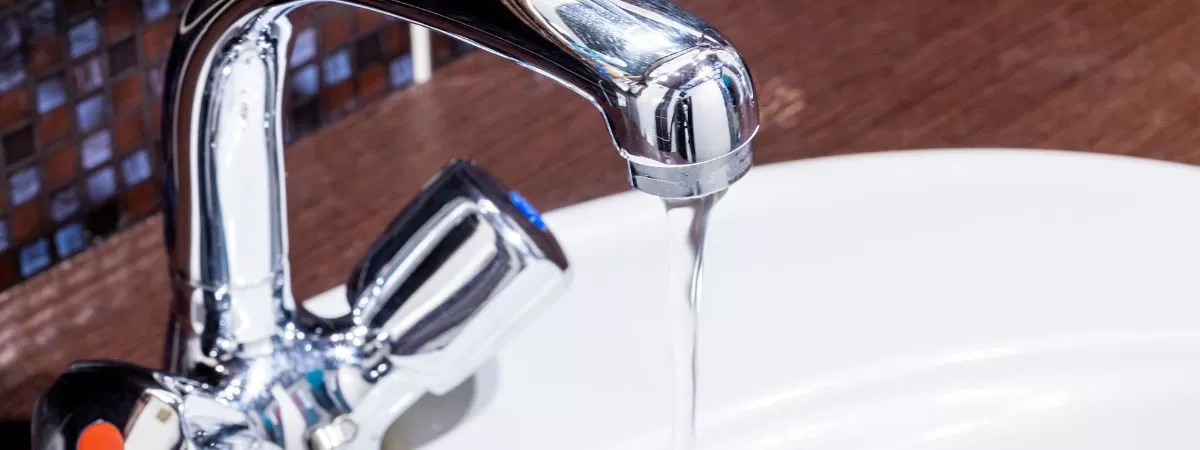
Discovering a sudden drop in water pressure is more than a minor inconvenience; it disrupts essential daily tasks and can indicate a compromised plumbing system. Whether the flow has reduced to a faint trickle or the shower fails to engage, these symptoms signal an interruption in hydraulic integrity. Immediate diagnosis is critical to distinguish between a simple fixture blockage and a serious supply line failure.
In the Sydney region and broader Australia, water pressure fluctuations are common but should not be ignored. The causes range from municipal supply outages and sediment buildup to concealed pipe fractures or failed regulatory valves. Understanding the root cause allows homeowners to mitigate damage, restore functionality efficiently, and avoid unnecessary service call-out fees for simple fixes.
This technical guide outlines a systematic, five-step protocol to diagnose and address unexpected water pressure loss, ensuring you take the correct corrective action.
Things To Do When You Suddenly Lose Water Pressure
To effectively troubleshoot, one must isolate the variable causing the pressure drop. Follow these steps in order to rule out external factors before investigating internal plumbing failures.
- Check If the Problem Is Widespread or Localised
The first diagnostic step is to determine the scope of the pressure loss. This distinction dictates whether the fault lies with a specific fixture, the internal piping network, or the municipal supply.
How to check
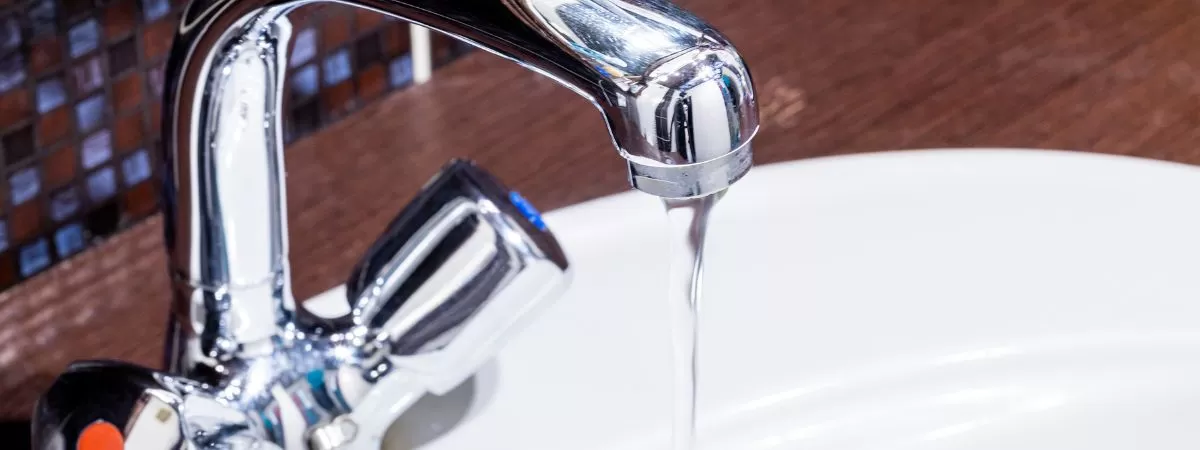
- Perform a Fixture Isolation Test: Open the cold tap in the kitchen, then test the shower and a bathroom vanity tap. If only one outlet is affected, the issue is isolated to that fixture’s aerator or cartridge.
- Compare Hot vs. Cold Lines: Run the hot water independently of the cold. If pressure is normal on cold but low on hot, the issue lies within the hot water generation unit or the tempering valve, not the mains supply.
- Inspect the Garden Tap: The front garden tap is usually the first point of water entry after the meter. If pressure is low here, the restriction is likely at the meter or the municipal main.
Why it matters
- A whole-house drop suggests a supply-side issue, such as a burst street main or a closed isolation valve.
- Single-fixture issues are often caused by clogged aerators (filters at the tip of the tap) or sediment blocking a mixer cartridge.
- If neighbours are experiencing the same loss, the problem is external, and no internal repairs are required.
Quick fix you can try
Unscrew the aerator at the end of the affected tap. Rinse away any debris or sediment buildup. If the flow is restored, no further action is needed.
- Inspect Your Stopcock or Main Shut-Off Valve
The main isolation valve (stopcock) controls the volume of water entering the property. If this valve is partially closed—due to vibrations, recent maintenance work, or tampering—it creates a bottleneck that manifests as low pressure, particularly when multiple taps are open simultaneously.
What to do
- Locate the main meter assembly, typically found in a box at the front boundary of the property or, in apartments, under the kitchen sink or in a hallway utility cupboard.
- Ensure the handle is turned fully anti-clockwise to the open position. Ball valves should be parallel to the pipe.
- If the valve is seized, apply moderate pressure but do not force it. Old gate valves can snap in the closed position, cutting off water entirely.
Why this matters
A valve that is not fully open acts as a restrictor. While static pressure (when water is off) might appear normal, dynamic pressure (when water is running) will drop drastically because the volume of water cannot pass through the restriction fast enough.
When to act
If the valve was partially closed, opening it should instantly restore full pressure. If the valve is fully open and pressure remains low, proceed to leak detection.
- Look for Leaks in Your Plumbing System
A significant breach in the pipework diverts water away from your taps, resulting in a systemic pressure drop. This is a critical scenario that requires immediate attention to prevent structural damage.
Signs of leaks include
- Damp patches on drywall, unexplained pooling on flooring, or lifted tiles.
- Water pooling around the base of the hot water system or under sink cabinets.
- The sound of hissing or rushing water behind walls when no fixtures are in use.
- Patches of lush, green grass in the yard during dry weather (indicating a burst underground line).
How to check
- The Meter Test: Ensure every tap and water-using appliance (dishwasher, washing machine) inside the home is turned off.
- Go to your water meter and observe the dial. If the numbers are moving or the low-flow indicator (often a small spinning disc) is rotating, water is escaping somewhere in the system.
- Inspect visible pipes in sub-floors or basements for active drips or corrosion.
Why it matters
A leak large enough to impact water pressure is releasing litres of water per minute. This can compromise building foundations, cause mould infestation, and result in exorbitant utility bills.
What to do
If the meter is spinning, shut off the water at the mains immediately to stop further damage and contact a licensed plumber. Do not attempt to patch a pressurised mains pipe with DIY tape.
- Consider Problems with Your Boiler or Water Heater
If cold water pressure is normal but hot water flow is weak, the issue is isolated to the hot water heating or distribution system. In Australia, this is frequently caused by valves specific to the hot water unit.
Common causes
- Tempering Valve Failure: These mandatory valves mix hot and cold water to ensure a safe 50°C delivery. When they fail, they often block the flow of hot water significantly.
- Inlet Strainer Blockage: Continuous flow (instant) hot water systems have small mesh filters on the cold water inlet. If these clog with debris, flow is restricted.
- System Pressure (Combi Boilers): For closed-loop heating systems, a drop in the internal bar pressure (below 1.0) can cause the system to shut down or reduce performance.
How to check
- Check the pressure gauge on the unit (if applicable). It should sit between 1.0 and 1.5 bar when cold.
- Inspect the area around the hot water tank for water discharge from the Pressure Temperature Relief (PTR) valve.
- Listen for unusual noises (kettling or banging) coming from the unit during operation.
Why it matters
Hot water systems operate under high pressure and temperature. A restriction generally indicates a failed safety component or sediment accumulation. Ignoring this can lead to total system failure or dangerous overheating.
- Contact Your Water Supplier or a Professional Plumber
If diagnostics point to an external supply issue or a complex internal fault, professional intervention is required. Knowing who to call depends on the location of the fault relative to the meter.
When to contact your water supplier
- External Faults: If neighbours are affected or if the pressure loss is widespread across the street.
- Street Maintenance: Check your local water authority's website for "Current Outages" or reported bursts in your postcode.
- Before the Meter: Any leak or failure on the street side of the water meter is the responsibility of the utility provider.
When to contact a plumber
- Private Property Faults: If the issue is isolated to your home and the meter is spinning while water is off.
- Component Failure: For issues involving tempering valves, pressure limiting valves, or hot water units, a licensed professional is required by law for repairs.
- Diagnostic Uncertainty: If you cannot locate the source of the pressure drop, plumbers use acoustic leak detection gear to find concealed issues.
Why this matters
Licensed plumbers possess the necessary insurance and equipment to perform repairs compliant with Australian Standards (AS/NZS 3500). Attempting unlicensed work on connected water systems is illegal and can void your home insurance.
Additional Causes of Low Water Pressure
If the standard troubleshooting steps do not resolve the issue, consider these structural or environmental factors that influence hydraulic pressure:
- Failed Pressure Limiting Valves (PLV): Most modern homes have a PLV installed at the meter to protect appliances from high mains pressure (above 500 kPa). If this valve fails "closed," it will severely restrict water entry.
- Galvanised Pipe Corrosion: In older properties (pre-1980s), galvanised steel pipes rust from the inside out. This internal rust buildup reduces the pipe's diameter, permanently throttling water flow.
- Shared Supply Lines: In older strata units or semi-detached homes, a single supply pipe may serve multiple dwellings. Pressure drops occur when neighbours use water simultaneously (peak demand).
- Seasonal & Hydraulic Demand: During periods of extreme heat, utility networks lower pressure to manage reserves, or the sheer volume of network usage may reduce the pressure reaching your property.
Preventing Future Water Pressure Problems
While some external supply issues are unavoidable, proactive maintenance can safeguard your home against internal pressure failures.
- Exercise Isolation Valves: Once every six months, turn your main stopcock and fixture isolation valves off and on. This prevents them from seizing due to mineral deposits.
- Schedule Hot Water Maintenance: Have the sacrificial anode and tempering valve on your hot water system checked every 3–5 years to prevent sediment blockages.
- Upgrade Pipework: If your home utilizes galvanised steel, plan for a gradual replacement with copper or PEX (cross-linked polyethylene) piping to ensure consistent flow and water quality.
- Install Filtration: Whole-home sediment filters can prevent grit from the mains supply from clogging delicate tapware and appliance solenoids.
Familiarise yourself with the location of your main isolation valve immediately. In the event of a burst pipe, rapid isolation is the only way to prevent catastrophic water damage.
Final Thoughts
A sudden loss of water pressure is a symptom that demands a logical diagnostic approach. By verifying the scope of the issue, testing isolation valves, and checking for leaks, you can often identify whether the fault is a minor maintenance task or a major plumbing emergency. The distinction between a clogged aerator and a concealed leak is vast, both in terms of repair complexity and potential cost.
Addressing pressure issues promptly does more than restore convenience; it protects the longevity of your appliances and the structural health of your property. Neglecting these signs can lead to escalated repair costs and water wastage.
When the cause remains elusive or involves high-pressure mains components, engaging a qualified plumbing professional is the safest course of action. Their expertise ensures the underlying cause is rectified according to code, restoring your water pressure and your peace of mind.