
Key Takeaways
- Boiling Water Application: Utilize thermal energy to liquefy solidified grease or soap lipids, allowing them to flush through the system.
- Baking Soda and Vinegar Reaction: Leverage the expansive gas produced by this acid-base reaction to mechanically dislodge minor organic clogs.
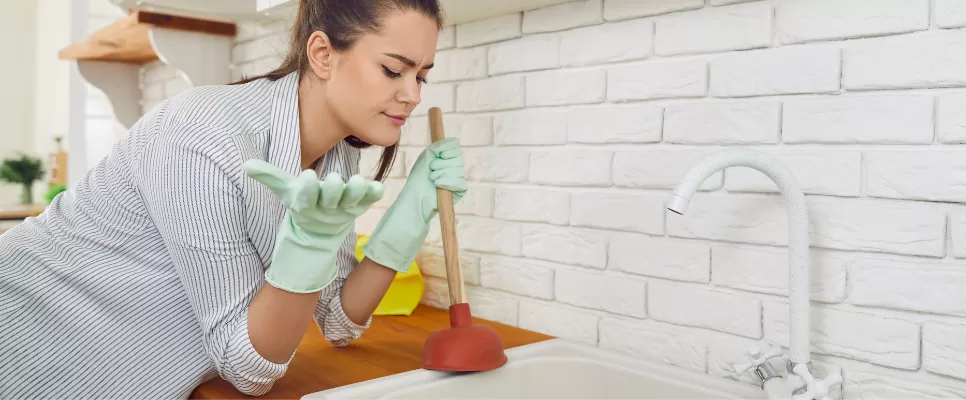
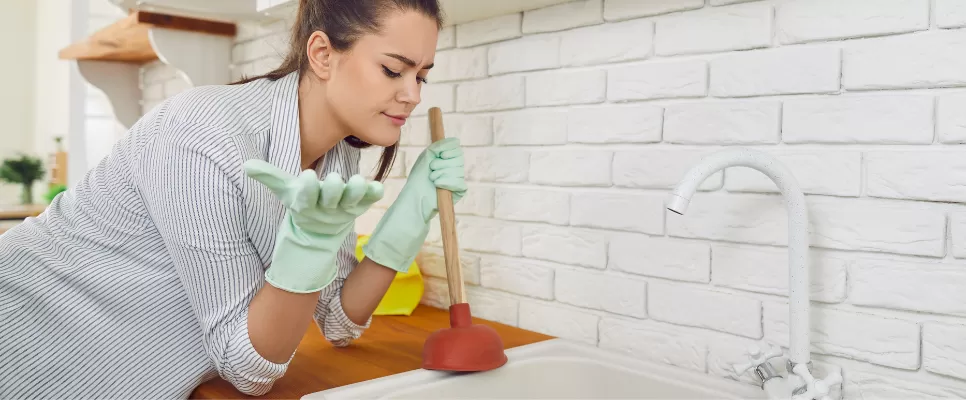
- Plunger Mechanics: Employ a cup plunger to create alternating pressure and vacuum forces to disrupt the blockage's static friction.
- P-Trap Maintenance: Physically disassemble the U-bend beneath the sink to manually remove heavy debris settled in the trap.
- Drain Snaking: Insert a flexible auger to hook and extract fibrous materials like hair or wipes deep within the pipework.
- Chemical Solvents: Reserve caustic or acidic cleaners for emergency clearance of organic matter when mechanical methods prove ineffective.
- Preventative Habits: Install mesh strainers and divert oils, fibrous foods, and non-flushables away from the drain to maintain clear flow.
Common Causes Of a Blocked Sink
- Food Waste accumulation: Starchy or fibrous foods (like pasta, potato peels, and celery) absorb water and swell within the pipe, creating a dense plug that traps other debris.
- Grease and Fat (FOG): Fats, Oils, and Grease enter the drain as liquids but cool rapidly as they travel, solidifying along pipe walls and reducing the internal diameter until flow ceases.
- Soap Scum Buildup: The fatty acids in bar soaps react with minerals in hard water (calcium and magnesium) to form an insoluble stearate substance that adheres to pipe surfaces.
- Hair and Pet Fur: Hair strands create a mesh-like net inside the drain, catching grease and soap particles to form tough, reinforced clogs that are difficult to dissolve.
- Foreign Objects: Items such as jewelry, bottle caps, or children's toys can become lodged in the P-trap, acting as a dam for flowing wastewater.
- Mineral Scale Buildup: In areas with hard water, dissolved minerals precipitate out of the water, accumulating on pipe walls (scaling) and creating rough surfaces that snag debris.
- Small Solid Particles: Granular solids like coffee grounds, eggshell fragments, and grains do not dissolve; instead, they settle in the low points of the plumbing traps and pile up over time.
- Hygiene Products: Disposable wipes, cotton swabs, and paper towels are engineered to remain intact when wet; they do not disintegrate like toilet paper and will inevitably cause blockages.
- Improper Pipe Installation: Plumbing with inadequate slope (fall) or excessive bends can reduce water velocity, preventing the system from self-cleaning and leading to recurring stagnation.
- Tree Root Intrusion: For ground-floor drains, tree roots may penetrate cracked underground pipes in search of moisture, forming a dense root curtain that captures all solid waste.
Essential Safety Precautions To Unblock Sink
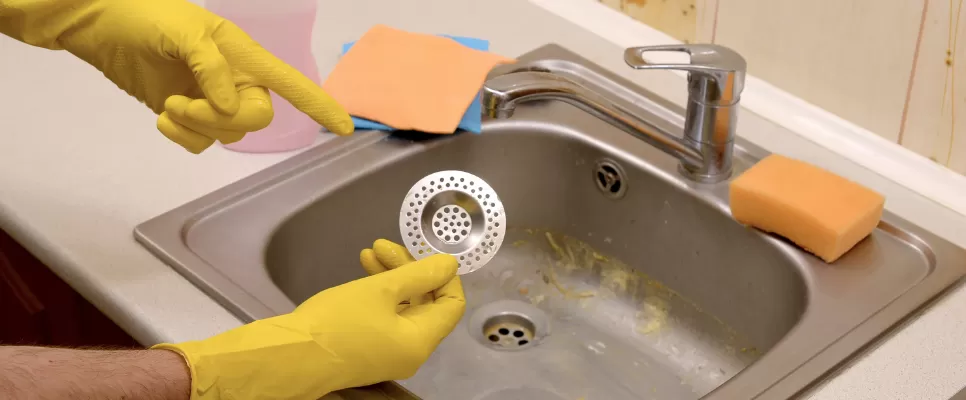
- Wear Appropriate PPE: Always don heavy-duty rubber gloves and safety goggles. Drain bacteria can cause infection, and chemical splashback can cause severe burns or blindness.
- Ensure Proper Ventilation: Chemical reactions can release hazardous fumes, such as chloramine gas or hydrogen sulfide. Open windows and utilize exhaust fans to disperse these vapors.
- Isolate Electrical Sources: Water and electricity are a lethal combination. If a garbage disposal unit is present or if outlets are near the splash zone, cut the power at the breaker before working.
- Select Tools Compatible with Pipe Material: Ensure mechanical tools (like snakes) are suitable for your specific pipe type (PVC vs. older metal pipes) to prevent puncturing or cracking the plumbing.
- Control Hydraulic Pressure: When plunging, avoid excessive force that could blow out slip-joint seals or disconnect the P-trap, causing wastewater to leak into the cabinetry.
- Avoid Chemical Mixing: Never use a plunger immediately after pouring chemicals, and never mix different drain cleaners (e.g., acid and bleach), as this can cause explosive reactions or release deadly gas.
- Handle Thermal Shock with Care: Pour boiling water directly into the drain opening, not on the porcelain or ceramic surface of the sink, which could crack due to rapid temperature change.
- Inspect Pipe Integrity: Before applying force, check visible pipes for rust, cracks, or loose fittings. Pressurizing a compromised system can lead to a burst pipe.
- Sanitary Waste Disposal: Extracted clog material is bio-hazardous. Place it directly into a sealed bag for disposal rather than rinsing it elsewhere, which contaminates other surfaces.
- Recognize Professional Limits: If a blockage persists after multiple attempts or if sewage backs up into other fixtures, cease DIY efforts to prevent systemic damage and consult a specialist.
How To Unblock A Blocked Sink Drain With A Plunger
- Prepare the Basin: Remove removable strainers. If the sink is dry, add 2-3 inches of water to submerge the plunger cup. If full, bail out excess water to prevent splashing. Block the sink's overflow vent with a wet rag to ensure the pressure is directed solely at the clog.
- Position the Tool: Place the rubber cup of a standard sink plunger (flat-bottomed) over the drain. Ensure the rim makes full contact with the basin surface to form an airtight seal.
- Execute the Plunge: Maintain a vertical handle position. Push down gently to expel air, then pull up and push down vigorously and rapidly. The goal is to generate a push-pull water force that rocks the clog loose.
- Test Drainage: After 15-20 seconds of vigorous plunging, break the seal abruptly. Watch the water flow. If the water drains rapidly, the path is clear. If it drains slowly, the clog has moved but not cleared.
- Flush the System: Once the drain is flowing, run hot water for several minutes to wash away any remaining debris and scour the pipe walls.
Natural Cleansing Solutions To Unblock Sink Drain
- Baking Soda and Vinegar: Pour ½ cup of baking soda into the drain, followed by 1 cup of white vinegar. Seal with a plug. Let sit 30 minutes, then flush with hot water.
- Salt and Hot Water: Mix ½ cup of salt into boiling water and pour into the drain to help dislodge grease and debris.
- Lemon Juice and Baking Soda: Effective against soap scum and odors. Reacts similarly to vinegar and leaves a fresh scent.
- Boiling Water: Melts solidified grease and fats. Avoid direct contact with PVC pipes if unsure of temperature rating.
- Dish Soap and Hot Water: Degreases and lubricates the clog, allowing it to slide through the pipe.
How To Unblock A Blocked Sink Drain With Manual Drain Cleaning Tools
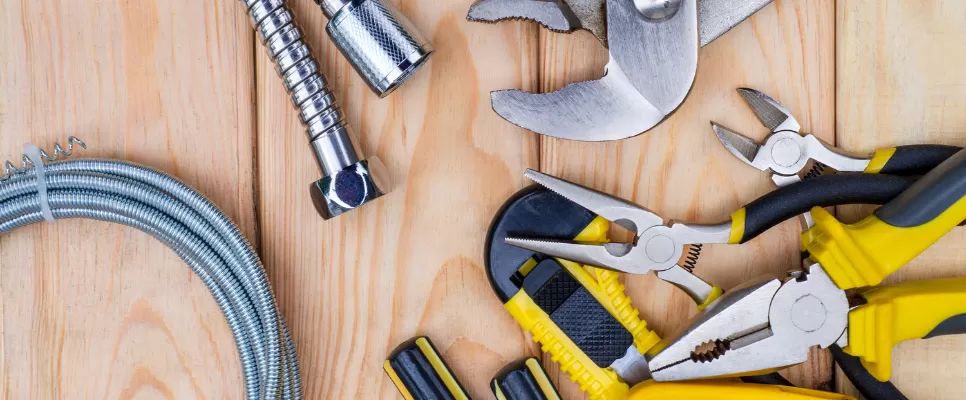
- Sink Plunger: Flat cup for sinks to create pressure differential and dislodge clogs.
- Drain Snake (Hand Auger): Rotated cable with corkscrew tip to hook and remove fibrous clogs.
- Drain Cleaning Brush: Slender brush to clean the tailpiece and remove biofilm.
- Zip-It Tool: Disposable barbed strip to remove hair and surface-level debris.
- Wire Hanger: Makeshift hook to fish hair clumps from upper drain.
- Drain Bladder: A rubber attachment for a garden hose. Inserted into the cleanout or drain, it expands to seal the pipe and shoots high-velocity water to push the blockage through the main line.
Chemical Drain Cleaners To Unblock A Blocked Sink Drain
Chemical agents are classified by their active ingredients and mechanism of action:
- Caustic Cleaners: Contain alkaline bases like sodium hydroxide (lye). Convert fats and grease into soap-like substances (saponification) to dissolve in water. They are heavier than water, so they sink through standing liquid to reach the clog.
- Acidic Cleaners: Formulated with sulfuric or hydrochloric acid, extremely aggressive. Dissolve hair, cellulose, and grease via hydrolysis. Often restricted to professional use due to corrosiveness.
- Oxidizing Cleaners: Use sodium hypochlorite (bleach), peroxides, or nitrates to release heat and oxygen, oxidizing organic matter and killing odor-causing bacteria.
How They Work
- Exothermic Reaction: Generate heat on contact, melting grease and speeding up solid decomposition.
- Electron Transfer: Break molecular bonds in clog material by donating or stealing electrons.
- Volume Reduction: Liquefy solids, restoring internal pipe diameter and allowing water to flow.
Directions for Use
- Read the manufacturer’s instructions for dosage and pipe compatibility.
- Pour the chemical directly into the drain, avoiding fixtures.
- Let it dwell for the recommended time (usually 15–30 minutes) to maximize efficiency.
- Flush thoroughly with water to clear dissolved waste and neutralize residual chemicals.
Safety Precautions
- Wear chemical-resistant gloves and eye protection to prevent burns.
- Ensure the room is well-ventilated to avoid inhaling toxic vapors.
- Crucial: Never use a plunger after pouring chemicals to avoid splashing caustic liquid.
Limitations and Risks
- Pipe Damage: Heat can soften PVC or melt joint glue. Strong acids can corrode older metal pipes.
- Septic Issues: Harsh chemicals kill beneficial septic bacteria, potentially harming the system.
- Ineffectiveness on Solids: Cannot remove tree roots, toys, silt, or mineral scale.
Alternatives
- Mechanical First: Always try plunging or snaking before using harsh chemicals.
- Enzymatic Cleaners: Use bacteria-based cleaners for slower, safer, preventative digestion of organic waste without damaging pipes.
Conclusion
Unblocking a sink drain requires understanding the cause of the clog and using the correct method for removal. Start with mechanical solutions like plungers, snakes, and manual tools, and reserve chemical cleaners for stubborn clogs with caution. Following safety precautions, using natural alternatives when possible, and maintaining preventative habits will help keep your plumbing system clear and reduce the risk of recurring blockages. When in doubt, a professional plumber can provide expert advice and ensure the job is done safely and effectively.