
2 October 2026
How to Choose a Reliable Local Plumber (Checklist Included)
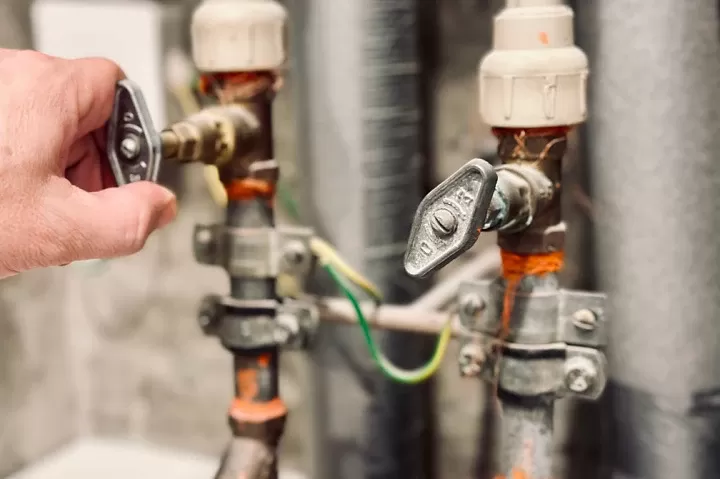
If you own a home, you will eventually need a plumber. Whether it’s a burst pipe at 2:00 AM or a water heater that’s reached the end of its life, having a trusted professional ready to go is essential.
We see this scenario often: a homeowner panics during an emergency, hires the first number they find, and ends up with a "temporary fix" that fails a week later. In this guide, we’ll walk you through exactly how to vet a plumber so the job gets done right the first time.
Why Choosing the Right Plumber Matters
It’s tempting to look for the cheapest option, but plumbing is the circulatory system of your home. Bad work here doesn't just look ugly it causes damage.
Avoiding Costly Repairs
A "cheap" repair often costs double in the long run. If a valve isn’t sweated correctly or a drain line isn't pitched properly, you aren't fixing the problem; you're delaying a bigger one. A reliable plumber fixes the root cause, not just the symptom.
Ensuring Quality Work
Plumbing codes exist for a reason to keep your water clean and your home safe. A professional ensures that every pipe, vent, and trap meets local building codes. When we come in to fix amateur work, it’s usually because someone ignored these standards.
Preventing Property Damage
Water is destructive. A slow leak behind a wall caused by improper sealing can rot framing and grow mold for months before you see it. Hiring a pro is your best insurance against long-term structural damage.
Key Qualities of a Reliable Plumber
When you are looking for a service provider, here is what you need to look for.
Proper Licensing and Certification
This is the baseline. A license means the plumber has completed the necessary training, apprenticeship, and state testing. It proves they understand code requirements and safety protocols.
⚠️ Important: Never hire a plumber who cannot produce a valid license number for your state.
Experience and Expertise
Plumbing systems vary by age and region. An experienced local plumber knows the difference between galvanised steel pipes in a 1950s home and PEX tubing in a new build. Experience means we’ve seen the problem before and know the specific quirks of local water conditions.
Good Reputation and Reviews
Look for consistency. Every business has one or two bad days, but a reliable plumber will have a track record of satisfied customers. You want to see reviews that mention punctuality, cleanliness, and successfully solving the issue.
Transparent Pricing
You shouldn't have to guess what the final bill will be. A solid company provides clear pricing models whether that is a flat rate for specific jobs or a clearly defined hourly rate with material costs.
Emergency Services Availability
Plumbing disasters rarely happen during business hours. A reliable company usually offers 24/7 support or has an on-call rotation. You need to know that if a pipe bursts on a holiday, someone will pick up the phone.
Steps to Find a Local Plumber
Don't wait for a disaster to start looking. Here is the process we recommend.
Ask for Recommendations
Your neighbors live in homes with similar plumbing ages and issues. Ask them who they use. Local supply houses are also a great resource counter staff know which plumbers buy quality parts and pay their bills on time.
Check Online Reviews
Google and Yelp are useful, but read the content of the reviews, not just the star rating. Look for comments about how the plumber handled problems or callbacks.
Verify Credentials
Don't just take their word for it. Most states have an online lookup tool where you can type in a license number to check its status and see if there are any outstanding complaints.
Request Estimates
For non-emergency work (like a remodel or water heater replacement), get at least three estimates. This gives you a baseline for the market rate in your area.
Evaluate Communication Skills
When you call, do they answer professionally? Do they explain why a repair is needed? If they can't communicate clearly on the phone, they probably won't communicate clearly about the work being done in your home.
Questions to Ask Before Hiring a Plumber
Treat this like a job interview. You are hiring someone to work on your most valuable asset.
Are you licensed and insured?
What to look for: A definitive "yes" and proof. Insurance protects you if the plumber accidentally damages your property or gets hurt on the job.
Can you provide references?
When to ask: This is crucial for big jobs like repiping or sewer line replacement. Ask for contact info of past clients who had similar work done.
What is your pricing structure?
The distinction: Ask if they charge a flat rate (price per job) or time-and-materials. Also, ask about "trip charges" just for showing up.
Do you offer warranties on your work?
Standard practice: Most reputable plumbers offer a warranty on labor (often 30 days to a year) and pass on the manufacturer's warranty for parts. If they don't guarantee their labor, walk away.
How quickly can you respond to emergencies?
Why it matters: If your only toilet is backed up, "next Tuesday" isn't a good answer. Know their typical response window for urgent calls.
Red Flags to Watch Out For
We fix a lot of mistakes made by "handymen" or unqualified workers. Here are the warning signs.
Extremely Low Estimates
If one quote is significantly lower than the others, they are cutting corners. They might be using inferior materials, lacking insurance, or planning to upcharge you later.
Lack of Written Contracts
Never let work begin on a handshake for a major project. A professional provides a written estimate or contract detailing the scope of work and the costs.
Poor Communication
If they show up late for the estimate without calling, or take days to return a text, they aren't reliable. Plumbing requires timeliness.
Unwillingness to Provide References
If a plumber gets defensive when you ask for references or proof of license, that is a major red flag. A pro is proud of their credentials.
Local Plumber Checklist (Printable Version)
Use this quick checklist to vet your options.
Licensing & Insurance Verified
- State license is active.
- Proof of General Liability and Workers' Comp insurance provided.
Positive Reviews & References
- Checked online reviews for recent feedback.
- Contacted references (for large projects).
Clear Estimate Provided
- Received a written estimate.
- Scope of work is clearly defined.
- "What-if" scenarios discussed (e.g., what if we find rot?).
Warranty & Guarantees Discussed
- Labor warranty is clear.
- Parts warranty explained.
Emergency Response Options Confirmed
- Verified 24/7 availability or after-hours policy.
Communication Style Satisfactory
- They explained the problem in plain English.
- They were professional and courteous.
Final Tips for Hiring a Reliable Plumber
Don’t Rush the Decision
If water is pouring out, shut off the main water valve to stop the damage. Then, take a breath. Panic puts you at the mercy of the first person who picks up. Take the time to vet properly.
Keep a List of Trusted Local Plumbers
Once you find a plumber who does good work, keep their number in your phone. Good plumbers are busy, and being an established customer often helps you get on the schedule faster during a rush.
Schedule Regular Maintenance
The best way to vet a plumber is on a non-emergency job. Hire them for a routine inspection or a drain cleaning. If they do a good job there, you'll know who to trust when the big problems hit.
⭐ Pro Tip: Ask your plumber where your main shutoff valve is and tag it. Knowing this one thing can save you thousands of dollars while you wait for help to arrive.