
2 October 2026
How Pressure, Pipe Size, and Length Affect Water Flow
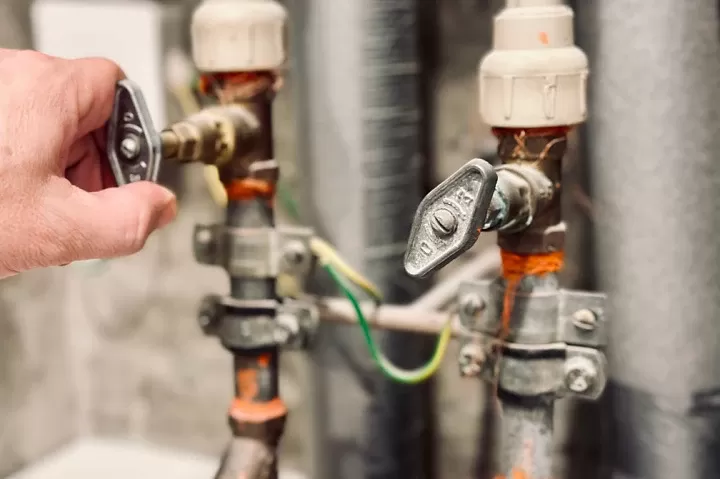
When you turn on a tap, you expect a consistent stream of water. When that stream is weak, sputtering, or drops off the moment someone else flushes a toilet, you are dealing with a water flow issue.
Many homeowners confuse pressure with flow. While they are related, they are not the same thing. Understanding how water moves through your home’s pipes is the first step in diagnosing performance issues and planning renovations.
We wrote this guide to explain the physics behind your plumbing system without the jargon, focusing on the variables that actually affect your daily water usage.
Basic Principles of Fluid Flow
Water flow is simply the volume of water moving through a pipe over a specific period, typically measured in litres per minute (L/min).
In a residential system, water flow is governed by the laws of physics. Water moves from areas of high pressure (the city main or your pump) to areas of low pressure (your open tap). The speed and volume at which it arrives depend entirely on the resistance it faces along the way.
Key Variables Affecting Water Flow
Three main factors determine the water performance in your home:
- Pressure: The force pushing the water.
- Pipe Diameter: The size of the path the water travels through.
- Pipe Length: The distance the water must travel.
If any one of these variables is off, the entire system suffers.
Role of Water Pressure in Flow Rate
Pressure is the energy that drives flow. In Sydney, mains pressure can vary significantly depending on your suburb and elevation relative to the reservoir.
Static vs Dynamic Pressure
- Static Pressure: This is the pressure in your pipes when all taps are closed. It is potential energy waiting to be used.
- Dynamic Pressure: This is the pressure maintained while water is moving.
Pressure Loss Under Demand
As soon as you open a tap, static pressure converts to dynamic pressure. Friction against pipe walls and turbulence through fittings consume some of that energy. If your starting static pressure is too low, you will not have enough force to push the required volume of water to the fixture, resulting in a weak trickle.
Effect of Pipe Diameter on Water Flow
Pipe sizing is perhaps the most critical design element in plumbing. We often see renovations where a bathroom was added using existing, undersized pipework, resulting in poor performance.
Relationship Between Pipe Size and Flow Capacity
The cross-sectional area of a pipe determines how much water can pass through it. A small increase in diameter yields a massive increase in flow capacity. For example, a 20mm pipe carries significantly more water than a 15mm pipe—more than just the 5mm difference suggests.
If you are unsure why the physical measurement of a pipe doesn't always match its label, you should review the difference between internal diameter vs outside diameter. In Australian plumbing, the internal bore is what matters for flow.
Velocity Changes with Pipe Diameter
- Small Pipes: Water must travel faster to deliver the same volume, leading to high velocity.
- Large Pipes: Water travels slower, reducing friction loss.
Risks of Undersized and Oversized Pipes
- Undersized: Causes excessive noise (water hammer), erosion of pipe walls, and insufficient water delivery.
- Oversized: While rare in residential supply lines, oversized pipes can lead to stagnation or wasted hot water energy (waiting longer for hot water to arrive).
Impact of Pipe Length on Water Flow
Distance kills pressure. The further water has to travel, the more energy is lost to friction.
Friction Loss Over Distance
Every metre of pipe extracts a toll in pressure. A tap located 5 metres from the water meter will almost always have better flow than a tap located 30 metres away, assuming the pipe size is the same.
You can use our Flow Rate Calculator to estimate how these variables impact the final delivery of water at your fixtures.
Cumulative Pressure Drop in Long Runs
In large properties or multi-story homes, long pipe runs result in significant cumulative pressure drop. If the pressure drops below the minimum required for an appliance (like an instant hot water system) to trigger, the unit may not fire.
Vertical Pipe Runs and Elevation Head
Gravity works against you when moving water upward. For every 10 metres of vertical rise, you lose approximately 100 kPa of pressure. This is why the shower on the top floor often has worse pressure than the garden tap on the ground floor.
Interaction Between Pressure, Pipe Size, and Length
You cannot look at these variables in isolation. They must be balanced.
How These Factors Combine in Real Systems
If you have low mains pressure, you cannot change the city supply. To compensate, we must increase the pipe diameter to reduce friction loss. Conversely, if you have a very long driveway and the house is set back from the main, we must size the service line larger to ensure adequate pressure remains by the time water reaches the house.
Practical Examples in Residential Plumbing
- Scenario: A granny flat is built 40 metres from the main house.
- Mistake: Running a 15mm line because it’s cheaper.
- Result: The shower is unusable because friction loss over 40 metres destroyed the pressure.
- Solution: Installing a 25mm or 32mm line to minimize friction loss over that distance.
Friction Loss and Head Loss Explained
Sources of Friction in Plumbing Systems
Friction doesn't just come from the pipe walls. Every time water changes direction, it loses energy.
- Elbows and Tees: A 90-degree elbow creates turbulence equivalent to adding nearly a metre of straight pipe length.
- Valves: Isolation valves, check valves, and pressure limiting valves all introduce resistance.
Minor Losses from Fittings and Valves
In complex bathrooms with multiple diverters and mixers, these "minor losses" add up. A system designed with too many tight turns will perform worse than a system designed with direct, straight runs.
⭐ Pro Tip: In drainage systems, friction and slope are just as critical as they are in supply systems. If a drain is too flat, solids settle; too steep, and liquids run off leaving solids behind. Use our Drain Pipe Slope Calculator to check if your waste pipes meet the fall requirements.
Flow Rate Changes Under Simultaneous Demand
This is the most common complaint we receive: "The shower goes cold when the toilet flushes."
Effect of Multiple Fixtures Operating
When you open one tap, the system pressure balances to that outlet. When you open a second tap, the available water must split between them. If the main supply line is undersized, it cannot supply enough volume to maintain pressure at both outlets simultaneously.
System Behavior at Peak Demand
To understand what you should expect from your fixtures, read about what is a good flow rate for showers, taps, and toilets. If your system drops significantly below these benchmarks when another fixture is used, you likely have a supply restriction.
Plumbing Design Implications
Proper plumbing design is about ensuring reliability during peak usage, not just when a single tap is running.
Pipe Sizing for Adequate Flow
We adhere to AS/NZS 3500 to calculate the "loading units" of a house. This calculation determines the minimum pipe size required to supply the probable number of simultaneous taps.
If you are planning a renovation, review our guide on how to size water pipes correctly in Australia. It explains the hydraulic calculations we perform to ensure compliance and comfort.
Maintaining Pressure at End Fixtures
The goal is to deliver water at a usable pressure (usually between 300kPa and 500kPa) to the furthest fixture in the house.
Avoiding Noise, Erosion, and Wear
Forcing too much water through a small pipe creates high velocity. This causes:
- Water Hammer: loud banging when valves close.
- Erosion Corrosion: The water physically wears away the copper from the inside out, leading to pinhole leaks.
⚠️ Warning: Never attempt to "fix" low flow by removing pressure limiting valves or illegally adjusting the meter assembly. This can void your insurance and damage your tapware. Always consult a licensed plumber for flow issues.