
2 October 2026
How Much Does Pipe Relining Cost in Sydney? (2026 Guide)
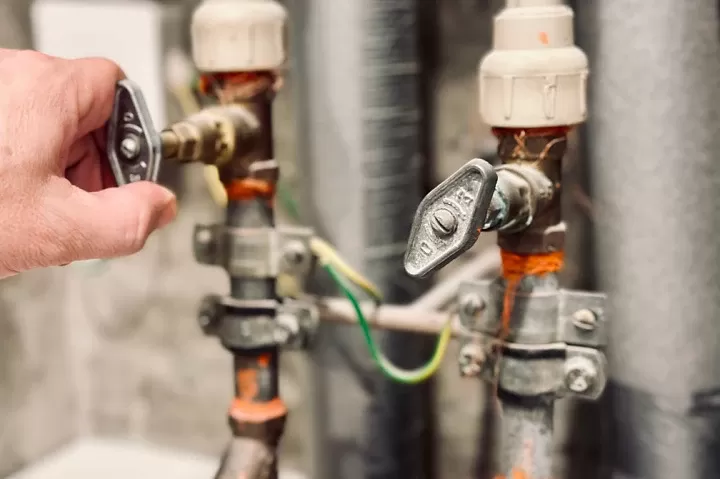
If you’re dealing with recurring drain blockages, foul odors, or a damaged sewer line, the stress usually boils down to two major concerns: How much is this going to cost? and How badly is this going to tear up my property?
For decades in Sydney, fixing a broken stormwater or sewer pipe meant one thing: excavation. It involved heavy jackhammers, digging massive trenches through your prized garden, cutting up your concrete driveway, and dealing with weeks of messy reinstatement. Thankfully, as we move through 2026, that destructive approach is no longer the default.
Pipe relining is now the industry standard for repairing structurally sound, yet damaged, drains. This "no-dig" trenchless technology allows us to completely rebuild your pipes from the inside out, delivering a permanent, load-bearing result without destroying your landscaping.
But how much does it actually cost? At GPS Gas Plumbing Services, we believe in complete transparency. This comprehensive guide explains what pipe relining costs in Sydney today, why prices vary from house to house, and how to judge whether a quote is genuinely fair for your property.
Typical Price Ranges for Residential Properties in Sydney
Let's cut right to the chase. For most Sydney homes, pipe relining falls into a broad but highly predictable pricing range based on the scope of the damage:
- Small sectional or patch repairs: $1,200 – $2,500
- Standard residential sewer runs: $4,500 – $7,500
- Under-slab, boundary, or complex systems: $7,000 – $15,000+
Expert Tip: If a plumber gives you a firm, fixed price over the phone without first performing a thorough CCTV drain inspection, that quote is simply not reliable. Accurate pricing requires seeing the problem firsthand.
What Is Pipe Relining and How Is It Priced?
Pipe relining is a trenchless structural repair. Instead of digging up the old pipe to throw it away, we use it as a mold to build a brand-new pipe directly inside it.
The CIPP Pipe Relining Method Explained
CIPP stands for Cured-In-Place Pipe. Here is how it works: We take a custom-made textile liner and saturate it with an incredibly strong, industrial-grade epoxy or silicate resin. We then insert this flexible liner into your damaged pipe.
Once it is perfectly positioned over the cracks or root intrusions, we inflate the liner using air or water pressure so it presses tightly against the walls of the old pipe. Finally, we cure (harden) the resin using hot water, steam, or UV light. When it sets, you are left with a jointless, rock-hard pipe inside the original. The old pipe becomes the "host," and the new liner becomes the structural savior.
How Plumbers Calculate Pipe Relining Costs
We price relining based on real, measurable engineering variables—not guesswork. Two neighboring houses can have identical floor plans but vastly different underground plumbing layouts. We calculate costs based on:
- The total length and internal diameter of the pipe.
- The number of bends and junctions (where two pipes meet).
- The accessibility of the entry points.
- The material and current condition of the old pipe.
- The amount of high-pressure cleaning and prep work required before lining.
Cost Per Metre vs. Fixed-Price Projects
Some jobs are quoted by the meter, while others are quoted as a total fixed project. Per-meter pricing is great for long, straight, easily accessible runs. However, fixed pricing is much safer for you when the pipe has multiple junctions, tight bends, or requires heavy root-cutting prep work. If a quote doesn’t explain this clearly, don't be afraid to ask why!
Key Factors That Affect Pipe Relining Cost in Sydney
Length and Diameter of the Damaged Pipe
Naturally, longer pipes use more liner material. However, the internal diameter matters even more. Relining a larger 150mm or 225mm commercial stormwater line requires significantly more expensive resin than a standard 100mm residential sewer line.
Location of the Pipe
If we can easily access your drain through an exposed inspection opening (IO) in your yard, labor costs stay low. But if your pipe is buried deep under a concrete slab, a newly renovated bathroom, a swimming pool, or a heavy retaining wall, the setup complexity and labor time increase.
Number of Bends, Junctions, and Access Points
Straight pipes are a breeze. Bends, however, complicate the installation. Furthermore, if your main line has smaller branch pipes feeding into it (junctions), the new liner will temporarily block those branches. We have to send specialized robotic cutters down the newly lined pipe to precisely cut out the holes and reconnect the flow. This high-tech robotic work is non-negotiable and adds to the overall cost.
Severity and Type of Pipe Damage
Hairline cracks, separated joints, and minor root intrusions are ideal candidates for relining. However, if your pipe has completely collapsed or lost its circular shape (deformed), the robotic equipment cannot pass through, and relining may not be an option at all.
Pipe Material
Older homes in Sydney often feature terracotta clay or cast-iron pipes. Over decades, these pipes build up heavy scale, rust, and massive tree root blockages. They require aggressive high-pressure descaling and robotic root removal to ensure the new resin bonds perfectly to the pipe wall.
Cost Breakdown of a Pipe Relining Job
Where exactly is your money going? Here is what a professional relining service includes:
- CCTV Inspection and Pipe Diagnostics: Confirming if relining is suitable and measuring the exact repair length.
- Pipe Cleaning and Preparation: High-pressure water jetting (up to 5000 PSI) and robotic cutting to remove roots, scale, and fat so the liner bonds permanently. (DIY chemical cleaners cannot achieve this).
- Relining Materials: The cost of the flexible textile liner and the high-grade structural epoxy resin.
- Labor and Specialised Equipment: Operating robotic cutters, inversion drums, and curing systems requires highly trained, licensed plumbing professionals.
- Post-Relining Inspection and Compliance: A final CCTV camera run to verify the liner's structural integrity and ensure all junctions are perfectly open. This footage is your proof of a job well done!
Pipe Relining vs. Pipe Replacement: The True Cost
At first glance, a quote for traditional pipe replacement (digging) might appear cheaper on paper than pipe relining. But beware of the "Trench Tax."
A standard excavation quote rarely includes the cost of property reinstatement. Once you add the cost of hiring concrete cutters, paying for skip bins, replacing expensive landscaping, or completely rebuilding a tiled bathroom floor, excavation almost always ends up costing significantly more—not to mention the weeks of disruption. Furthermore, a properly installed epoxy liner is completely seamless, meaning tree roots can never penetrate it again. It can easily last up to 50 years!
Is Pipe Relining Always the Right Choice?
While we love the technology, pipe relining isn't a magic fix for every single plumbing disaster.
When it is the most cost-effective option: Relining is brilliant for under-slab sewer lines, pipes beneath expensive driveways, or heritage gardens where you suffer from recurring tree root intrusions but the pipe still holds its general shape.
When replacement is cheaper: If a pipe has suffered a catastrophic collapse, is completely crushed, or has severe negative gradients (bellies) where water pools heavily, replacement is often the only compliant and permanent solution.
How to Get an Accurate Quote and Reduce Costs
To protect your wallet and your property, follow these expert tips:
- Demand a Camera Inspection: Without CCTV footage, pricing is just a wild guess. A reputable, licensed plumber will never quote a relining job blind.
- Act Early: Don't wait for your drains to completely fail. Smaller defects and minor root intrusions are vastly cheaper to repair than a fully blocked, heavily damaged line.
- Ask the Right Questions: Before approving a quote, ask: "Is the pipe structurally suitable for relining?", "Are all junction reinstatements included in this price?", and "Will I receive the post-installation CCTV footage?"
Conclusion
Dealing with a broken sewer line is never fun, but understanding your options puts you back in the driver's seat. Pipe relining offers a fast, permanent, and landscape-saving alternative to traditional excavation.
If you're tired of paying for the same blocked drain every six months, it’s time to fix the problem for good. For honest advice, accurate diagnostics, and premium trenchless repairs, trust the experts at GPS Gas Plumbing Services.
Call our friendly Sydney team today at 0411 829 187 to book your CCTV drain inspection!