
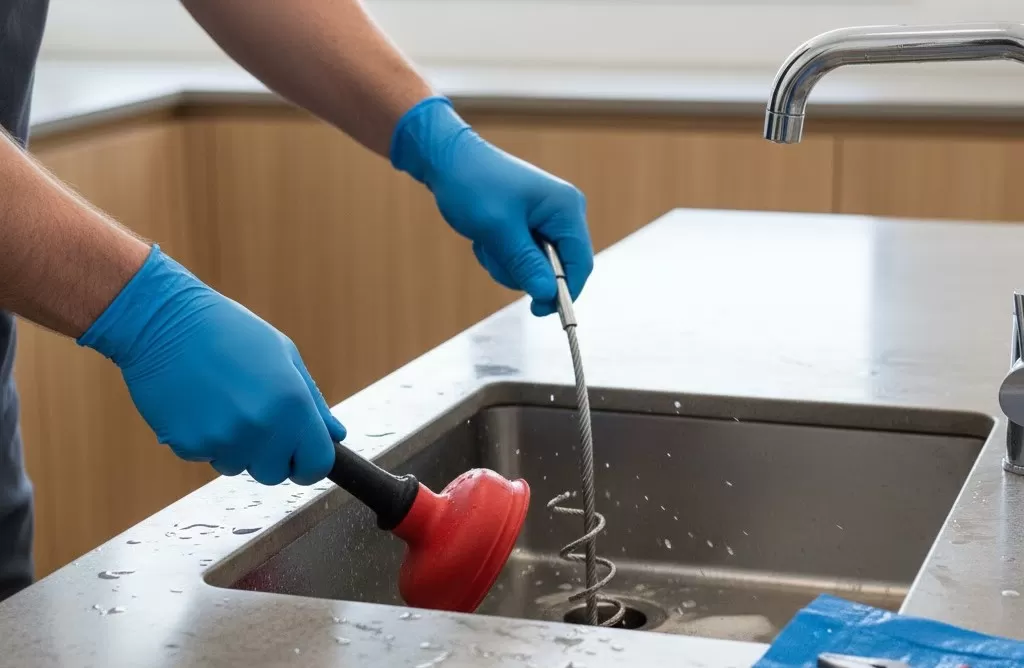
If you are hearing gurgling noises in the shower or dealing with a toilet that won’t flush, the first question is almost always about the price.
In Australia, the cost to unblock a drain typically ranges from $150 to $550 for standard residential jobs. However, this price can fluctuate depending on the severity of the blockage and the equipment required. A simple plunge may cost as little as $100, while complex sewer line work involving excavation can run into the thousands.
This guide breaks down current plumber rates, compares drain cleaning prices by method, and helps you decide whether to attempt a DIY fix or call a professional.
Quick Summary: Blocked Drain Cost Estimates
To give you a realistic idea of what to budget, we have compiled average market rates across major Australian cities (Sydney, Melbourne, Brisbane, Perth).
| Service Type | Estimated Cost (AUD) | Average Time | Best For |
|---|---|---|---|
| Standard Call-Out / Hand Tools | $100 – $180 | 15–30 mins | Minor sink or toilet clogs. |
| Electric Eel (Drain Snake) | $200 – $350 | 45–60 mins | Tree roots, stubborn paper clogs. |
| Hydro-Jetting (Water Blaster) | $350 – $600 | 1–2 hours | Grease, silt, heavy root intrusion. |
| CCTV Camera Inspection | $250 – $500* | 30–45 mins | Diagnosing recurring issues. |
| Emergency After-Hours Service | $300 – $600+ | Variable | Weekends, nights, public holidays. |
*Note: Many Australian plumbers offer a discounted CCTV inspection (or even free) if booked as part of a hydro-jetting package.
Understanding the Methods: Risks, Benefits, and Costs
The drain cleaning price you are quoted largely depends on the technology the plumber uses. Here is a deep dive into how they work and why costs vary.
1. The Electric Eel (The "Drain Snake")
Average Cost: $200 – $350 The Process: The plumber inserts a flexible steel cable with a cutting head into the pipe. A motor rotates the cable, cutting through obstacles like tree roots or balled-up wet wipes.
- Pros: Highly effective for cutting through solid masses and tree roots. It is the industry standard for most residential blockages.
- Cons & Risks: The aggressive metal cable can sometimes crack old earthenware or PVC pipes if not handled by an experienced operator. It also has limited reach compared to a jetter.
- Verdict: Good for specific, localized blockages.
2. High-Pressure Hydro-Jetting
Average Cost: $350 – $600 The Process: This method uses a high-pressure water hose (up to 5,000 PSI) to scrub the interior walls of your pipes. It doesn’t just punch a hole in the blockage; it completely clears debris.
- Pros: Cleans the entire pipe diameter. It is the only effective way to remove grease build-up (fatbergs) and sand/silt. It is safer for pipes than the Electric Eel.
- Cons: Higher upfront cost due to the expensive machinery required.
- Verdict: The premium option. [Learn more about our Hydro-Jetting Service here].
3. CCTV Drain Camera Inspection
Average Cost: $250 – $500 (Standalone) The Process: A fibre-optic camera is fed down the line to visually inspect the condition of the pipe.
- Pros: It takes the guesswork out of the repair. You can see exactly where the break or misalignment is.
- Cons: It is a diagnostic tool, not a cleaning tool. You usually need to pay for cleaning before the camera can see anything.
- Verdict: Essential for recurring blockages. [Book a CCTV Drain Inspection].
DIY vs. Professional: Is it Worth the Risk?
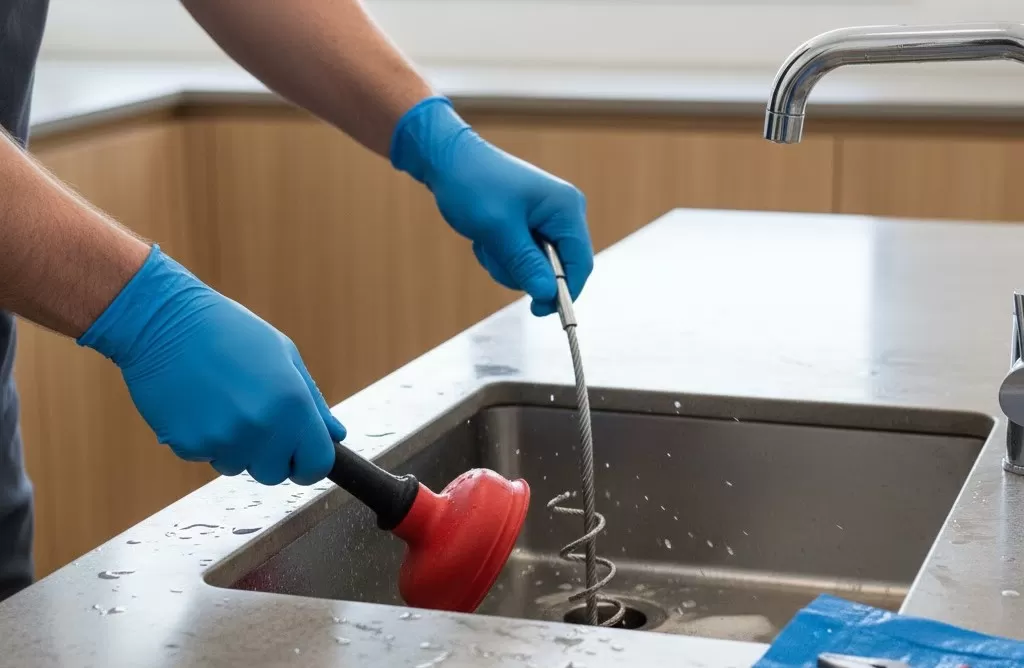
Many homeowners try to save on plumber rates by attempting a DIY fix. While this works for minor clogs, it can backfire.
The "Bunnings" Approach (DIY)
- Cost: $20 (Chemicals) to $50 (Hand Auger).
- Effectiveness: Low. Chemical cleaners generally only work on organic matter (hair/soap) near the drain opening.
- Risks: Harsh chemicals (caustic soda) can corrode old metal pipes and melt PVC glue. If you get a hand auger stuck in the bend of a toilet, you may have to pay a plumber to remove the toilet suite to retrieve it.
The Professional Approach
- Cost: $150+
- Effectiveness: High. Plumbers carry equipment that reaches 30m+ down the line.
- Guarantee: Most reputable companies offer a warranty on their work.
Rule of Thumb: If the water is overflowing from an outside grate or affecting multiple fixtures (e.g., the shower drains when you flush the toilet), this is a main line blockage. Do not use chemicals. Call a professional immediately.
Factors That Influence Your Quote
Why did your neighbour pay $200 while you were quoted $450? Several variables impact the final bill.
1. Location and Regional Pricing
Trades pricing varies across Australia.
- Sydney & Melbourne: Due to higher traffic congestion and operating costs, call-out fees are generally higher ($100–$150).
- Brisbane & Perth: Rates can be slightly lower, though travel charges apply for outer suburbs.
- Regional Australia: While hourly rates might be lower, travel time (billed per km) can increase the total cost.
2. Accessibility
If the blockage is accessible via an Inspection Opening (IO) in the garden, the job is quick. If the plumber has to remove a toilet, cut through a concrete driveway, or access the roof vent, the labour time—and cost—will increase.
3. Time of Day (Emergency Rates)
Plumbing disasters rarely happen during business hours. Expect to pay a surcharge for:
- After-Hours: Weekdays after 5:00 PM.
- Weekends & Public Holidays: Often charged at double time.
- Tip: If the blockage is manageable (e.g., a slow draining sink), wait until Monday morning to avoid the emergency premium.
Conclusion
So, how much does it usually cost to unblock a drain? For a standard job in Australia using professional equipment, you should budget between $250 and $400.
While you might be tempted to go with the cheapest quote on Google, be wary of "fixed price $99" offers. These often cover only the call-out, with hidden costs added for equipment usage. Always ask for the total estimated price including machinery before booking.
Still unsure about the cost? Contact us today for a transparent, upfront quote. We offer competitive rates for hydro-jetting and CCTV inspections across the metro area.