
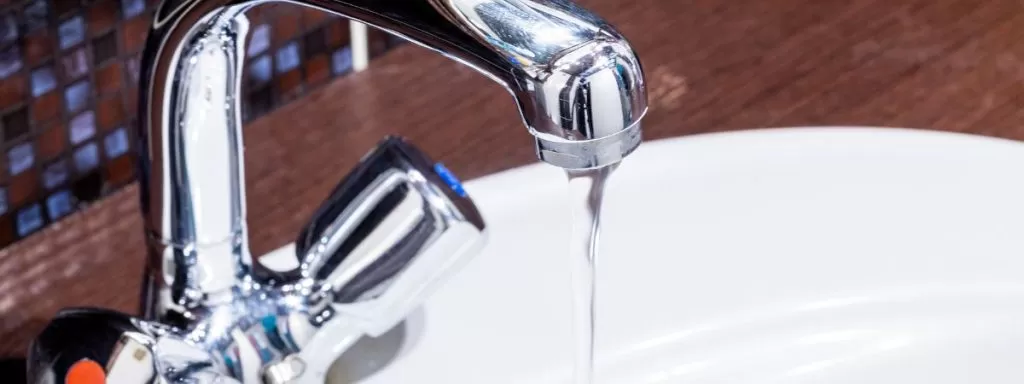
A leaking tap is more than a minor annoyance; it is a symptom of a mechanical failure that compounds costs over time. Beyond the repetitive sound, a standard drip can waste up to 20,000 litres of water annually, significantly impacting utility bills and placing unnecessary strain on environmental resources. In 2026, with water conservation becoming increasingly critical and utility costs rising, ignoring a leak is rarely a financially sound strategy.
Determining the exact cost of a repair involves more than just the price of a washer. Variables such as the tap's mechanism (compression vs. ceramic disc), the brand's availability, access issues, and the specific labour rates in your region all dictate the final figure. This guide provides a comprehensive breakdown of the pricing structures, technical considerations, and decision-making frameworks necessary to budget accurately for a tap repair.
Deconstructing the Plumber's Invoice: What Are You Paying For?
Professional plumbing pricing is structured to cover licensure, insurance, specialized tooling, and expertise. When you receive an invoice, the total is rarely an arbitrary number but rather a sum of three distinct operational costs. Understanding these categories helps in negotiating and validating quotes:
- The Service Call-Out Fee: Also known as a "flag fall," this is a fixed operational cost charged to cover the logistics of bringing a licensed trade vehicle to your location. In 2026, this fee typically ranges from $80 to $180 depending on the company and location. It covers vehicle overheads, travel time, and the initial diagnostic assessment. Note that "no call-out fee" offers often absorb this cost into a higher initial labour rate.
- Licensed Labour Rates: This component covers the physical repair work. In Australia, plumbing is a licensed trade, meaning you are paying for regulated expertise. Standard rates generally fall between $90 and $160 per hour. While a simple washer replacement might physically take 15 minutes, most reputable tradespeople charge a minimum of one hour to ensure the job is viable. Complex issues, such as seized spindles or rusted bodies, will extend this time.
- Component and Parts Pricing: The cost of materials varies wildly based on the technology inside your tapware:
- Compression Washers and O-Rings: Traditional taps use rubber or fibre washers and O-rings. These are commodity items, typically costing less than $5 to $10 for a complete service kit.
- Ceramic Disc Cartridges: Modern mixer taps and quarter-turn taps utilize engineered ceramic discs to control flow. These are precision parts. A generic replacement cartridge may cost $15 to $30, while genuine OEM (Original Equipment Manufacturer) cartridges for high-end European or Australian brands can range from $50 to over $120.
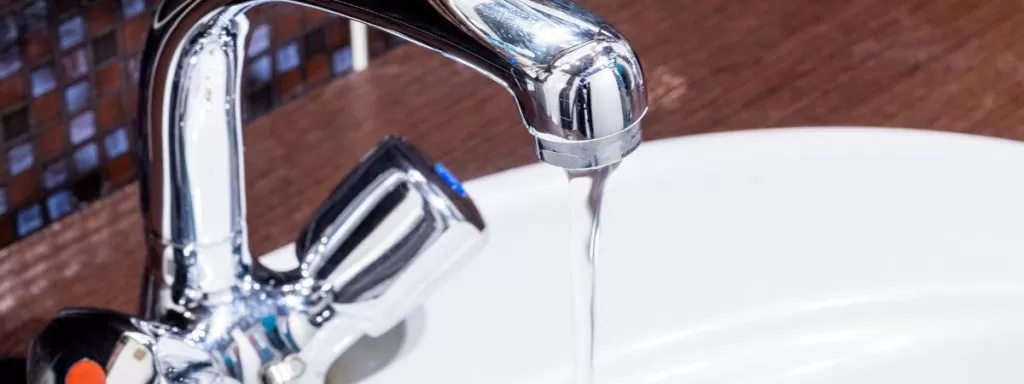
Estimated Costs for Common Tap Repair Scenarios
To budget effectively, you must identify the type of tap you own, as the repair process differs for each. Below are the estimated professional costs for the three most prevalent tap technologies found in Australian homes.
- Standard Compression Taps (The "Jumper Valve" Service): These are the traditional taps with handles that you turn multiple times to open. Leaks here are usually caused by a worn washer or a scored "seat" (the brass section the washer seals against). A proper service involves not just changing the washer, but also "reseating" (grinding smooth) the brass body and lubricating the spindle O-rings. Expect to pay between $120 and $160. Because the labour dominates this cost, it is highly economical to have multiple taps serviced in one visit.
- Single-Lever Mixer Taps: These common kitchen and bathroom taps mix hot and cold water via a single internal cartridge. When these drip, the entire cartridge must be replaced; they cannot be "serviced" in the traditional sense. Symptoms of failure include a stiff handle or water leaking from the base of the tap body. Total costs typically range from $180 to $280, heavily dependent on the price of the specific replacement cartridge required for your brand.
- Quarter-Turn Ceramic Taps: Often found in laundries or modern bathrooms, these look like traditional taps but turn fully on with just a 90-degree rotation. They function like mixer taps, using ceramic discs rather than rubber washers. Repair requires replacing the specific ceramic spindle. Due to the cost of parts and the precision required, expect a bill between $200 and $260. Note that these taps are highly sensitive to debris in the pipes, so flushing the lines is a critical part of the repair labour.
The Critical Decision: Should You Repair or Replace?
Not every tap is worth saving. Over time, brass bodies can suffer from dezincification (corrosion), threads can strip, and chrome plating can peel. A professional assessment often involves deciding whether the cost of repair yields a good return on investment compared to a full replacement.
Use the following criteria to determine the right course of action:
- The Economic Threshold: Apply the "50% Rule." If the estimated cost of parts and labour to fix the tap approaches half the cost of a brand-new, modern installation, replacement is generally the superior financial choice. New taps come with fresh warranties, whereas repairs only warrant the specific part changed.
- Parts Obsolescence: Older or imported taps may require specific cartridges that are no longer manufactured or require expensive international shipping. If a plumber cannot source the part from a local supplier immediately, the cost of sourcing usually outweighs the value of the tap.
- Water Efficiency (WELS Ratings): Older taps often lack flow restrictors, delivering 15 to 20 litres per minute. Replacing an old tap with a new 4-star or 5-star WELS-rated model can significantly reduce water usage, paying for the difference in price over time through lower utility bills.
- Physical Condition: If the tap body is seized or the bonnet nut cannot be removed without risking damage to the in-wall plumbing (the "breech"), a plumber may recommend a replacement to avoid a catastrophic pipe failure inside the wall.
For a standard tap replacement, costs generally fall between $200 and $450 for labour, plus the retail cost of the new tapware. While the upfront cost is higher, this eliminates the risk of the old unit failing again in the near future.
Ultimately, a dripping tap is an active financial drain. Whether you opt for a service to restore a vintage fixture or a replacement to modernize your home’s efficiency, acting swiftly is the only way to cap the cost. By understanding the components of the invoice and the mechanics of your specific tapware, you can authorize the right work at the right price.