
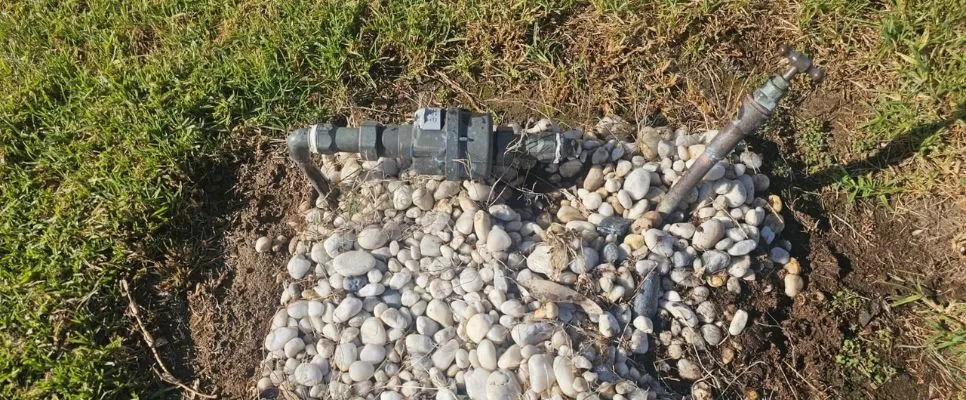
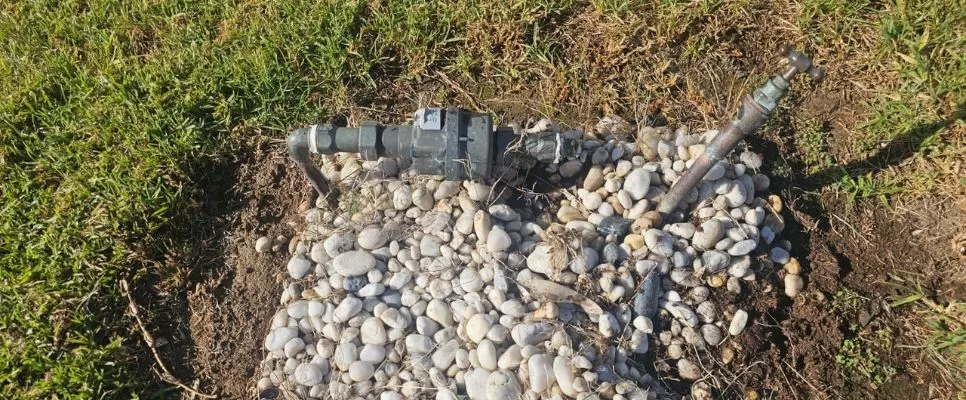
There are few sounds more terrifying to a homeowner than the sudden, rushing hiss of water where it shouldn't be. A burst pipe is a true plumbing emergency that can cause extensive property damage in a matter of minutes. If you are standing in a growing puddle right now, the first thing you need to do is breathe—and then go turn off your main water meter!
Once the water is off and the panic subsides, your next thought is usually about the budget. "How much is this going to cost me?" As your local experts in burst pipe repair in Sydney, we believe in taking the mystery out of plumbing pricing. Let’s walk through what goes into fixing a ruptured pipe, so you know exactly what to expect.
Factors Affecting Burst Pipe Repair Costs
No two burst pipes are exactly alike. The final cost of your repair will depend on several moving parts, from the time of day to the materials hidden behind your walls.
1. Severity of the Damage
Is it a tiny pinhole leak spraying a fine mist, or has the pipe completely sheared in half under pressure? A small crack might only require cutting out a tiny section of pipe and soldering in a new fitting. However, if a long stretch of the pipe is compromised or has structurally failed, we may need to replace a significantly larger section, which increases both parts and labor costs.
2. Location of the Burst Pipe
Where the pipe is located is often the biggest driver of the repair cost. Plumbers charge for their time, so the harder it is to reach the pipe, the more it will cost to fix.
Exposed Pipes: If the pipe is visible—such as in an unfinished basement, running along an exterior wall, or under a bathroom vanity—the repair is usually swift and highly cost-effective. We can get straight to work.
Concealed Pipes: Unfortunately, pipes often burst where we can't see them. If the leak is buried under a concrete driveway, hidden behind custom kitchen cabinetry, or sealed inside a tiled shower wall, we have to spend time (and utilize specialized equipment) to locate the leak, safely cut through the barrier, and excavate the area before we even begin the actual plumbing repair.
3. Type of Pipe Material
The materials your home was built with will dictate the tools and replacement parts we need to bring to the job.
Copper: This is the most common material in Sydney homes. Copper is durable and reliable, but repairing it requires specialized welding, brazing, or high-end crimping tools. The material itself is also subject to fluctuating market prices.
PVC/UPVC: Commonly used for drainage and some cold water lines, plastic piping is generally cheaper to source and faster to repair, as it involves cutting and using heavy-duty solvent cements rather than heat welding.
Galvanised Iron: Found mostly in older heritage homes, galvanized pipes are prone to severe internal rust and deterioration. Repairing them is tough because cutting and re-threading old, brittle iron is difficult. Often, if a galvanized pipe bursts, we’ll recommend replacing that section with modern materials.
Polybutylene: Used widely in the 1990s, this plastic piping is infamous for degrading and bursting without warning. If you have a polybutylene burst, a simple patch is incredibly risky; we generally advise a full replacement of the affected lines to prevent another flood next week.
4. Emergency Repairs vs. Routine Repairs
Plumbing disasters rarely respect standard business hours. If your pipe bursts at 2:00 AM on a Sunday or during a public holiday, dispatching a fully stocked truck and a licensed plumber immediately will incur an emergency call-out fee and after-hours labor penalty rates. While this costs more upfront, immediate action saves thousands in water damage mitigation.
5. Labour Costs
Labor rates for licensed plumbers in Sydney account for their extensive training, licensing, insurance, and the specialized equipment they bring to your door. Depending on the complexity of the diagnosis and the repair, your invoice will reflect the time spent securely resolving the issue.
6. Insurance Coverage
Will your home insurance foot the bill? This is tricky. Most standard policies will cover the *resulting water damage* (like ruined carpets or warped floorboards), but they often explicitly exclude the cost of repairing the pipe itself if the burst was caused by long-term "wear and tear" or lack of maintenance. Always check your specific Product Disclosure Statement (PDS).
7. Additional Repairs and Cleanup
The plumber’s job is to fix the pipe, but the financial impact doesn't always stop there. You may need to budget for repairing cut drywall, replacing cracked bathroom tiles, or hiring a water damage restoration team to bring in commercial dehumidifiers and prevent dangerous mold growth.
Cost of Burst Pipe Repairs by Location
Let's look a little closer at how the room the pipe is located in changes the scope of the work.
Wall
Water tracking down inside a wall cavity requires us to find the exact source (often using thermal imaging or acoustic detectors), cut away the plasterboard, repair the pipe, and verify it's watertight. You'll then need to factor in the cost of a plasterer and painter to restore the wall.
Bathroom
Bathrooms are high-risk zones. If a pipe bursts behind the shower wall, the repair might compromise the room's waterproofing membrane. Fixing the plumbing is one thing, but re-waterproofing and re-tiling add significant time and expense to the overall project.
Kitchen
Burst pipes under the kitchen sink are common and generally straightforward if they involve flexible hoses. However, if the burst is behind the dishwasher or deep under an island bench, we may need to temporarily dismantle your cabinetry to access the plumbing safely.
Basement
While basements often have exposed pipes (making the actual plumbing fix cheaper), they act as a bowl for all the escaping water. The main cost factor here is usually the massive cleanup and water extraction required if the area has flooded.
Attic
An attic burst is a homeowner's worst nightmare because gravity is not your friend. The water immediately rains down through your ceiling, potentially destroying insulation, lighting fixtures, and the rooms below. Attic spaces are also notoriously cramped and hot, making the labor physically demanding.
Underfloor
If your home is built on a concrete slab and the pipe bursts underneath it, this is known as a "slab leak." This is the most complex repair, requiring acoustic leak detection and jackhammers to break through the concrete. If you have a house on piers, crawling through tight, muddy underfloor spaces also adds to the difficulty and labor time.
DIY vs. Professional Repair: The Cost of Fixing a Burst Pipe
With countless tutorials online, it can be tempting to grab some duct tape and a wrench to save a few dollars. But when it comes to pressurized water systems, DIY is a massive gamble.
DIY Costs
The upfront cost of DIY is low—maybe a trip to the hardware store for some sealant, a clamp, or a basic pipe cutter. However, the hidden costs are astronomical. If your DIY patch fails while you are at work, you will come home to a destroyed house. Furthermore, in New South Wales, it is actually illegal for unlicensed individuals to carry out most pressurized plumbing work. If an illegal DIY repair fails, your insurance company will almost certainly deny your claim.
Professional Plumber Costs
Hiring a licensed professional means you are paying for peace of mind. A certified plumber brings diagnostic equipment to find hidden leaks, uses commercial-grade materials that won't fail, guarantees their workmanship with a warranty, and ensures everything is 100% compliant with Australian Standards. The upfront cost protects your most valuable asset: your home.
Other Common Customer Questions About Burst Pipe Repairs in Sydney
How long does it take to repair a burst pipe?
Once we arrive and turn off the water, a standard exposed pipe repair can take as little as 1 to 2 hours. If the leak is hidden behind a wall or under a concrete slab, the diagnostic and excavation process can extend the job to 4 hours or more.
What should I do while waiting for the plumber?
First, isolate the water supply at the main meter. Next, turn off your electricity at the switchboard if the water is anywhere near power points or light fittings. Open your lowest taps (like a garden hose or bathtub) to drain the remaining water out of the lines. Finally, use old towels and buckets to mop up as much standing water as possible.
Does weather affect the likelihood of burst pipes in Sydney?
Absolutely. While we don't get deep freezes like other countries, Sydney experiences wild temperature swings. Extreme summer heat can cause the clay soil beneath our homes to dry out and shift rapidly, physically pulling underground pipes apart. Conversely, sudden cold snaps can cause pipes to contract and weaken.
Will strata cover burst pipe repairs in apartments?
As a general rule of thumb, if the pipe serves only your apartment (internal lines), it is your responsibility. If the pipe is located in a boundary wall and serves multiple units (common property), the strata or Owners Corporation is usually responsible for the repair bill. Always consult your strata manager immediately if a leak occurs.
Can I claim a burst pipe on insurance if it’s due to wear and tear?
Usually, no. Home insurance is designed for sudden, unforeseeable events. If the pipe burst because it was 50 years old and completely rusted through, the insurance company will likely classify it as a maintenance failure. However, they will often still cover the cost of the damaged carpets, walls, and furniture—just not the plumber's invoice.
How to Prevent Burst Pipes?
The cheapest burst pipe repair is the one that never happens! Keep your plumbing system healthy with these pro tips:
- Install Pressure Limiting Valves (PLVs): High water pressure is a leading cause of burst pipes in Sydney. A PLV installed at the meter ensures pressure remains at safe, compliant levels (usually 500kPa), protecting your pipes and appliances from unnecessary stress.
- Replace Flexible Hoses Regularly: The silver, braided "flexi-hoses" under sinks and toilets have a strict lifespan of 5–10 years. Inspect them annually for fraying or rust spots and replace them proactively. They are the #1 cause of indoor flooding!
- Monitor Tree Growth: Aggressive root systems (like those from figs or gum trees) seek out moisture and can crush or invade underground pipes. Plan your landscaping carefully and keep thirsty trees away from your main sewer and water lines.
- Insulate Exposed Pipes: Lagging pipes in exposed areas—like the side of your house or in the attic—protects them from harsh UV damage and extreme temperature fluctuations.
- Utilize Water Hammer Arrestors: If your pipes create a loud banging noise when taps or washing machines are turned off, "water hammer" is occurring. This violent shockwave severely stresses pipe joints and can lead to sudden bursts; installing arrestors acts as a shock absorber to solve this issue.
- Schedule Periodic Inspections: A routine check-up, including a CCTV plumbing inspection, can identify hairline cracks, rust, or root intrusion long before they turn into a catastrophic 3:00 AM flood.
Conclusion
Dealing with a burst pipe is stressful, but understanding the repair process and the factors driving the costs puts you back in control. Whether it’s a quick fix under the kitchen sink or a complex excavation under a concrete slab, prompt action is your best defense against spiraling costs and property damage.
If you suspect a pipe is failing, or if you're dealing with a plumbing emergency right now, the fully licensed and experienced team at GPS Gas Plumbing Services is standing by. We provide transparent pricing, rapid response times, and workmanship you can trust. Don't let a small drip turn into a major disaster—give us a call today!