
2 October 2026
Case Study: Backflow Testing for a Childcare Centre in Campbelltown
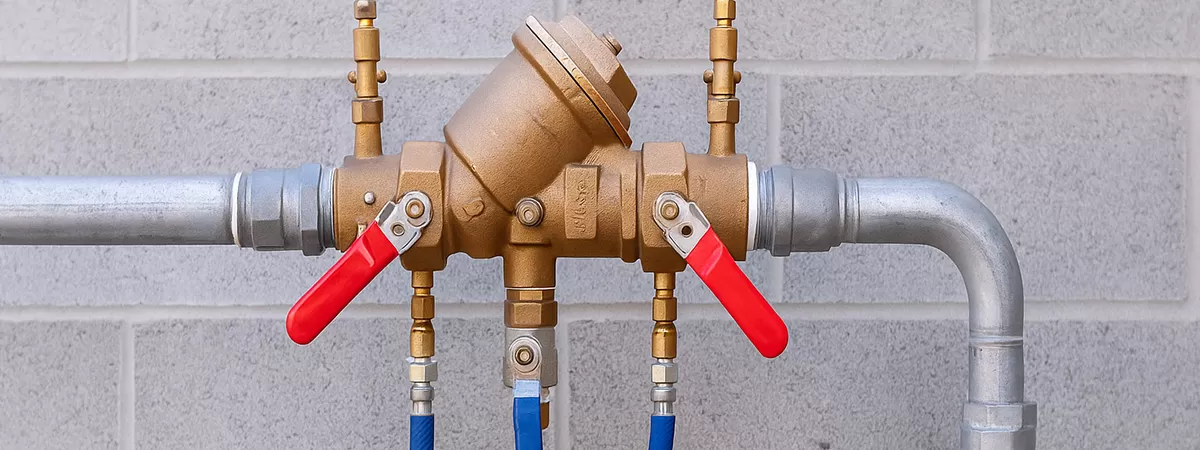
When it comes to plumbing, certain jobs are about convenience—like fixing a dripping tap or installing a new showerhead. But other jobs are entirely about safety. Recently, the team at GPS Gas Plumbing Services was called out to a busy childcare centre in Campbelltown. Our mission? To ensure the drinking water keeping those kids hydrated and healthy was absolutely safe from contamination.
Understanding Backflow and Its Importance
Before we get into the details of the job, let’s quickly cover the basics. What exactly is backflow? In a healthy plumbing system, water flows in one direction: from the city’s clean municipal supply straight into your property. However, if there is a sudden and significant drop in water pressure in the main lines—say, from a burst pipe down the street or a fire engine using a nearby hydrant—it creates a vacuum. This vacuum can physically suck dirty, contaminated water backward from a property into the clean public water supply.
In a childcare facility, where hygiene is paramount and immune systems are still developing, this poses a massive health risk. That’s why robust Backflow prevention is not just a good idea; it is a strict legal requirement mandated by Sydney Water.
The Challenge: Ensuring Compliance and Safety
Childcare centres operate under incredibly stringent health and safety guidelines. The facility manager in Campbelltown reached out to us because their annual backflow testing deadline was rapidly approaching. They needed a fully accredited backflow plumber who could perform the mandatory testing efficiently, accurately, and—most importantly—without disrupting the daily routines of the children and staff.
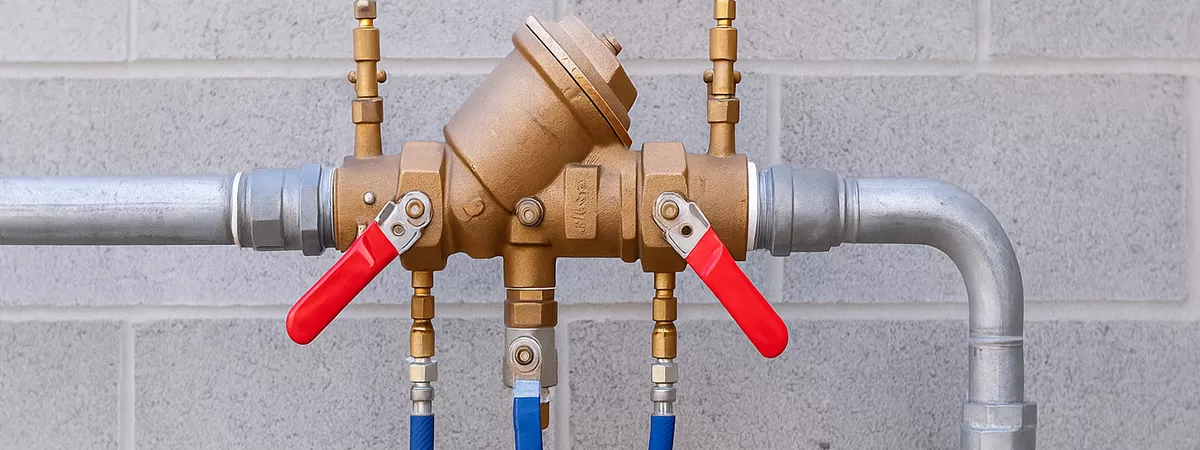
Step-by-Step: The Backflow Testing Process
At GPS Gas Plumbing Services, we believe in full transparency. Here is exactly how we tackled the compliance testing for this Campbelltown childcare facility:
- Initial Assessment and Hazard Identification: Before we touched any valves, our team conducted a thorough site survey to verify the current hazard rating of the property. This involved locating the boundary trap and identifying all containment and zone protection devices. We verified that the currently installed devices matched the specific, legally required hazard level for a childcare facility.
- Device Inspection: We meticulously inspected the exterior of the devices for any visible signs of wear, tear, corrosion, or external damage. It is essential for an expert to distinguish between routine wear and impending mechanical failure. Understanding the nuance between The Difference Between Backflow Testing, Repair, and Replacement allows us to help facility managers create accurate budgeting and maintenance plans, rather than hitting them with surprise bills.
- Testing Procedure: Once the visual inspection passed, we hooked up our highly sensitive, calibrated differential pressure gauges. We manipulated the water pressure to measure the precise drop across the internal check valves and verified the exact point at which the relief valve opened. This technical validation proves that, in the event of an actual pressure drop, the device will safely dump water out rather than allow it to siphon backward. For a deeper dive into this technical process, we always recommend property owners read our guide: Step-by-Step: What to Expect During a Backflow Test in Sydney.
- Documentation and Reporting: A test isn't official until the paperwork is filed. Upon successful completion of the pressure tests, we logged the results directly into our compliance management system. We issued a comprehensive report to the centre's manager, detailing the precise pressure readings and the functional status of each valve. This paperwork serves as their official proof of compliance for any future Sydney Water audits.
- Recommendations and Preventive Maintenance: We don't just test and run. Based on the test data, we provided the childcare centre with a forecast for future maintenance. We cleared out minor debris from the line strainers and assessed the longevity of the internal rubber seals. This ensures the centre remains proactive about their plumbing health, rather than reactive to sudden emergencies.
Ensuring Ongoing Compliance
Passing a backflow test is a great feeling, but compliance is an ongoing, annual commitment. Because mechanical valves have parts that naturally degrade over time, Sydney Water requires these tests to be performed every 12 months. To give the childcare facility complete peace of mind, we enrolled them in our automated testing schedule. Next year, before their due date, they will get a friendly reminder from our team to book their test, ensuring they never miss a deadline or face penalties.
Why Choose GPS Gas Plumbing Services?
When you hire GPS Gas Plumbing Services, you are getting more than just someone with a wrench. You are partnering with fully licensed, accredited backflow specialists who understand the critical nature of water safety. We pride ourselves on arriving on time, clearly explaining our processes without confusing jargon, and leaving your property safer than we found it.
Conclusion
Ensuring the water safety of our local Campbelltown community is a responsibility we take incredibly seriously. Thanks to proactive management and our rigorous testing protocols, the staff, parents, and children at this facility can rest easy knowing their drinking water is fully protected against backflow contamination.
Are you looking for more examples of how we handle complex commercial plumbing jobs? Check out another recent success story: our Backflow Repair for a Restaurant in Leppington.
Contact Us
Whether you manage a commercial facility, a childcare centre, or simply want to ensure your home plumbing is up to code, the friendly experts at GPS Gas Plumbing Services are here to help.
Don't wait for a compliance notice to become a fine! Call our team today to schedule your backflow test or plumbing inspection:
GPS Gas Plumbing Services – Your trusted local experts in safe, compliant, and reliable plumbing.