
2 October 2026
Case Study: Backflow Repair for a Restaurant in Leppington
Case Study: Backflow Repair for a Restaurant in Leppington
The Challenge
Running a successful, bustling restaurant in the rapidly growing suburb of Leppington is incredibly rewarding, but it certainly comes with its fair share of high-stakes challenges. Restaurant owners have to juggle staff, inventory, customer satisfaction, and strict health and safety codes. The absolute last thing any hospitality manager needs is a sudden plumbing emergency or a compliance warning that threatens to shut down their kitchen operations.
Recently, a popular dining establishment in Leppington found themselves facing exactly this nightmare scenario. During a routine morning open, the management discovered a pooling leak originating from their commercial water supply line. Worse still, they had recently received a compliance notice from Sydney Water indicating their property was due for an inspection. Their aging plumbing system was severely deteriorating, and their outdated valve had begun to leak persistently, failing to meet current safety regulations. They needed immediate, professional intervention for Backflow prevention.
At GPS Gas Plumbing Services, we understand that in the hospitality industry, every single minute of downtime translates directly to lost revenue and damaged reputation. The restaurant didn't just need a patch job; they required a swift, fully compliant, and long-lasting mechanical fix that would satisfy Sydney Water and keep their doors open for business.
Understanding Backflow Prevention
Before we dive into the specific repair process we carried out in Leppington, it is crucial to understand exactly what backflow is and why preventing it is a matter of public health.
Under normal, healthy conditions, water flows in one continuous direction: from the city’s clean municipal mains, through your property’s water meter, and straight to your kitchen taps, dishwashers, and sinks. However, plumbing systems are heavily dependent on pressure. A commercial kitchen is legally classified as a "high-hazard" environment. Think about the heavy-duty industrial dishwashers, potent chemical sanitation dispensers, and deeply soiled grease traps that are used every single day.
If the city's water pressure suddenly drops—for example, if a major water main breaks down the street or emergency services open a nearby fire hydrant—it creates a powerful vacuum effect in the pipes. This vacuum can literally suck contaminated, chemical-laced wastewater backward from the restaurant's appliances and right back into the clean municipal drinking supply. This phenomenon is known as back-siphonage.
Backflow prevention devices act as a fail-safe, one-way physical barrier. They are meticulously designed mechanical valves that ensure clean water flows into your property, but dangerous, dirty water never flows out.
Initial Assessment and Diagnosis
When our rapid-response plumbing team arrived on-site in Leppington, we understood the urgency, but we never guess at a problem. We immediately conducted a thorough, multi-step diagnostic assessment to see exactly what kind of mechanical failure we were dealing with. Our comprehensive evaluation included:
- Visual Inspection: We started by examining the physical condition of the existing valve body, the upstream and downstream isolation valves, and the line strainers. It didn't take long to spot the problem. We found significant calcification, green copper oxidation, and heavy debris accumulation that was physically preventing the internal check valves from moving freely. The unit was clearly past its operational lifespan.
- Differential Pressure Testing: Looks can be deceiving in plumbing, so we always rely on hard data. Utilizing highly specialized, calibrated gauge equipment, we measured the precise pressure drop across the check valves and checked the exact differential point at which the relief valve was opening. As expected, the old device completely failed this functional test, meaning it was providing zero protection against a backflow event.
- Hazard Rating Verification: We reviewed the latest local regulations and the restaurant's current floor plan. Because the kitchen had recently upgraded their sanitization station to include direct-line chemical dispensers, we confirmed that their currently installed device type no longer legally matched the strict "high-hazard" rating required. A complete system upgrade was absolutely mandatory.
The Repair Process
Armed with a clear, data-backed diagnosis, we mapped out a strategic repair plan. Our goal was to get the kitchen completely back up to code with minimal disruption to their busy lunch service prep.
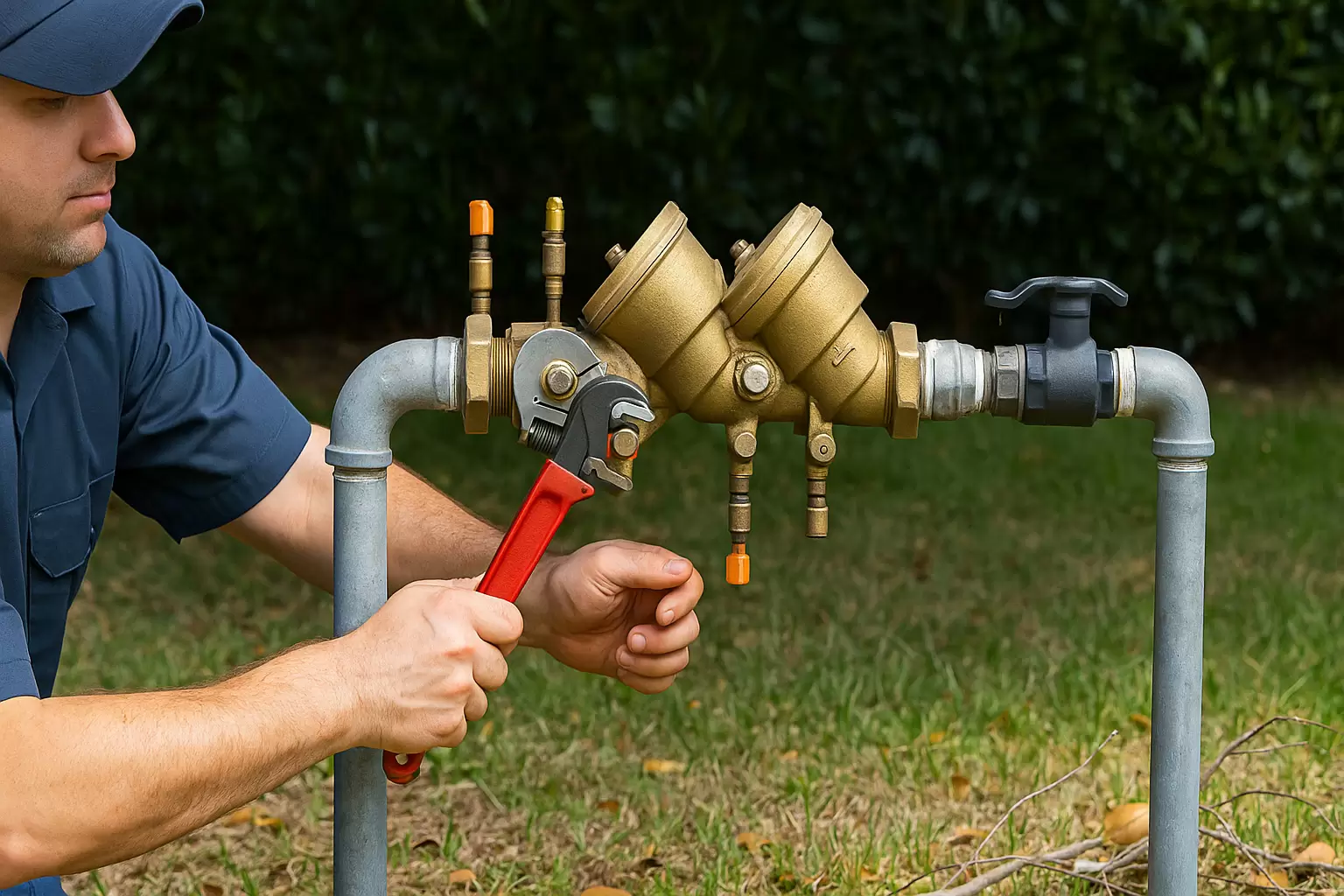
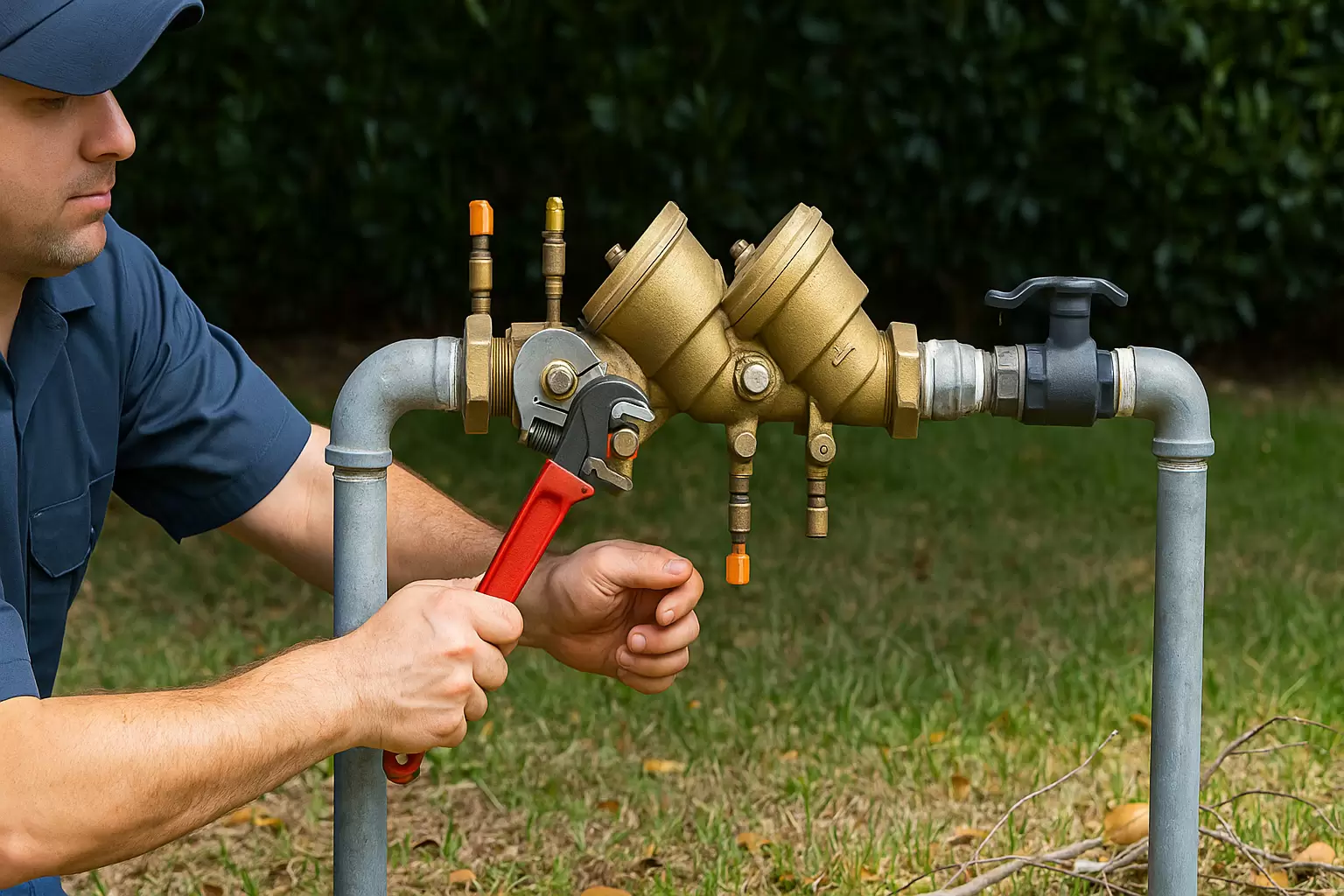
- Device Selection and Replacement: The obsolete, failing unit was safely removed and replaced with a top-of-the-line Reduced Pressure Zone (RPZ) device. The RPZ configuration is the absolute industry gold standard for high-hazard commercial protection. It features a brilliant design consisting of two independent check valves and a hydraulically operated differential relief valve situated between them. This design ensures that even if both internal check valves fail simultaneously due to debris, the relief valve will automatically open and discharge the contaminated water out to the atmosphere (usually a drain). This physically breaks the cross-connection, making backflow impossible. You can examine the specific mechanics of RPZ valves here.
- Precision Installation: A high-quality valve installed poorly will still fail and cause headaches down the line. Our installation process involved expertly reconfiguring the surrounding copper pipework. We did this to ensure adequate clearance around the valve. Not only is this a legal requirement, but it also makes the valve highly visible and easily accessible for future plumbers to attach their testing kits. Crucially, we installed heavy-duty Y-strainers immediately upstream of the device. These strainers act as a filter to protect the sensitive internal rubber seals of the valve from grit, rust, and debris—which is a very common cause of premature device failure in older commercial districts experiencing rapid infrastructure changes, like Leppington.
- Commissioning and Testing: Post-installation, the new RPZ valve underwent rigorous commissioning. At GPS Gas Plumbing Services, we don't just turn the water back on and hand you a bill. We performed a certified, documented functional test using our calibrated gauges. We artificially manipulated the water pressure to verify that the opening differential of the relief valve and the watertight seal of the check valves met both the manufacturer's strict safety specifications and Sydney Water's utility standards. It passed with flying colors.
Ensuring Ongoing Compliance
Installing a commercial backflow device is only the first step in a business's responsibility; keeping it compliant is an ongoing, yearly commitment. Because mechanical parts wear out, springs lose tension, and rubber O-rings degrade over time, Sydney Water legally mandates that all high-hazard devices—like the RPZ we just installed—must be tested annually by a fully licensed and specially accredited backflow plumber.
We know that restaurant owners already have enough paperwork on their desks. To completely take the administrative stress off their shoulders, we immediately generated and submitted the official "Certificate of Compliance" and test reports directly to the authorities on their behalf. Furthermore, we enrolled the Leppington restaurant in our automated annual reminder program. Eleven months from now, they will receive a friendly reminder from our team to schedule their next test before their compliance window closes. They can focus entirely on cooking great food and serving their customers, while we worry about managing the regulatory paperwork and keeping their plumbing safe.
Conclusion
A failing plumbing system doesn't have to mean a disaster for your business, nor does it have to result in crippling fines or forced closures. By proactively upgrading to a modern, robust RPZ backflow preventer, this Leppington restaurant not only avoided a costly shutdown but also gained immense peace of mind. They now know, without a doubt, that they are actively protecting their customers, their staff, and the broader community's drinking water from dangerous contamination.
If you run a commercial facility, restaurant, café, or industrial site and you need a backflow assessment, an emergency repair, or your mandated annual test, don't wait for a compliance warning to land in your mailbox. The highly trained, accredited expert team at GPS Gas Plumbing Services is ready to help keep your business flowing smoothly and safely.
GPS Gas Plumbing Services - Your trusted local experts in commercial plumbing compliance and safety.
Call our friendly team today to book your inspection or service:
0411 829 187