
2 October 2026
Case Study: Backflow Installation for a Commercial Property in Bringelly
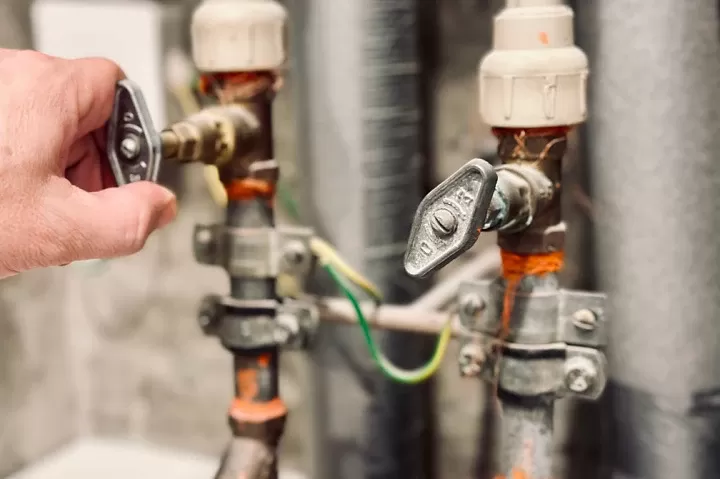
When it comes to keeping our community’s drinking water safe, one of the most critical—yet often overlooked—plumbing safeguards is Backflow prevention. Whether you run a busy commercial facility or want to ensure your home's water supply remains pristine, understanding how to stop contaminated water from mixing with clean water is essential.
Understanding the Need for Backflow Prevention
Simply put, water is designed to flow in one direction: from the city’s clean main supply straight to your taps. However, changes in pipe pressure can cause water to reverse direction, bringing hazardous chemicals, debris, or wastewater back into the drinking supply. This happens in two main ways:
- back-siphonage: Think of this like drinking through a straw. If there is a sudden drop in water main pressure (for instance, if a fire hydrant is opened nearby or a water main breaks), it creates a vacuum that literally sucks contaminated water backward into the clean supply.
- back-pressure: This occurs when the pressure in your property’s plumbing system (perhaps from a commercial pump, boiler, or elevated storage tank) becomes higher than the pressure of the incoming city water supply, pushing dirty water back into the public mains.
The Challenge
Recently, a commercial facility reached out to us facing a significant hurdle. They needed to upgrade their backflow prevention system to meet strict Sydney Water regulations, but they couldn't afford a massive drop in water pressure or prolonged operational downtime. They needed a high-hazard containment solution installed quickly, efficiently, and to the exact letter of the law.
That’s exactly the kind of puzzle we love solving at GPS Gas Plumbing Services. If your business is facing a similar compliance notice, don't stress—give us a call at 0411 829 187.
Our Approach
To tackle this challenge, we utilized a Reduced Pressure Zone (RPZ) device. These are the gold standard for high-hazard commercial properties because they feature a built-in relief valve that safely dumps water if the check valves ever fail. Here is exactly how we executed the project with minimal disruption.
Step-by-Step Installation Process
- Hydraulic Assessment and Clearance Mapping: Installation began with a thorough flow and pressure test to confirm the city supply could sustain the natural pressure drop inherent to RPZ devices (typically 35–85 kPa). We also identified a boundary location compliant with Australian Standards (AS/NZS 2845.1), ensuring sufficient clearance for future maintenance access and safe discharge venting.
- Device Specification and Sizing: Sizing the device correctly is paramount to maintaining operational efficiency. Undersized valves create frustrating flow restrictions that can disrupt daily business activities. We specified a premium, Watermark-approved RPZ valve, accurately calibrated to match the facility's peak flow demand while fully satisfying the high-hazard containment rating mandated by the utility provider.
- Physical Installation: The integration phase involved carefully severing the main service line to insert the backflow assembly. This included the installation of full-flow isolation valves both upstream and downstream to facilitate easy future testing. Crucially, we also installed a line strainer to intercept debris—which is the number one cause of check valve fouling in commercial plumbing systems.
- Commissioning and Verification: Mechanical installation is only the first step; the device must be professionally commissioned to guarantee safety. This requires a differential pressure test to verify the relief valve opens at the precise PSI threshold. This validation process adheres to the rigorous protocols defined in our guide: Step-by-Step: What to Expect During a Backflow Test in Sydney.
- Regulatory Documentation: Full compliance is legally recognized only upon the submission of a "Certificate of Compliance" and a verified "Test Report" to Sydney Water. We took this completely off the client's plate, managing the entire administrative lifecycle and lodging the necessary technical data to update the property’s safety profile in the government registry.
Ensuring Ongoing Compliance
Installing a backflow device isn’t a "set it and forget it" job. Mechanical parts wear out, O-rings degrade, and debris can get trapped over time. That is why Sydney Water legally mandates that high-hazard devices like RPZ valves be tested annually by a fully licensed and accredited backflow plumber. We set up an automated reminder system for this client so they never have to worry about missing a deadline or facing compliance fines.
Lessons Learned
One of the biggest takeaways from commercial installations like this is the importance of the line strainer (the filter installed just before the valve). Many untrained installers skip this step to save a few dollars. However, dirt, rust, and scale moving through the city pipes can easily prop open the internal seals of a backflow valve, causing it to fail its annual test and leak constantly.
As the experts at GPS Gas Plumbing Services always say: doing it right the first time saves you from expensive emergency repairs down the road.
Conclusion
Protecting your property and the broader community's water supply is a big responsibility, but it doesn't have to be a stressful one. From initial hydraulic assessments to dealing with Sydney Water's paperwork, having a knowledgeable plumbing partner makes all the difference.
If you have received a backflow testing notice, or if you need a new device installed at your commercial or residential property, the team at GPS Gas Plumbing Services is here to help.
Reach out to us today for prompt, professional, and fully compliant service:
GPS Gas Plumbing Services - Your trusted experts in water safety.