
2 October 2026
The Benefits of Trenchless Pipe Relining for Strata and Commercial Properties
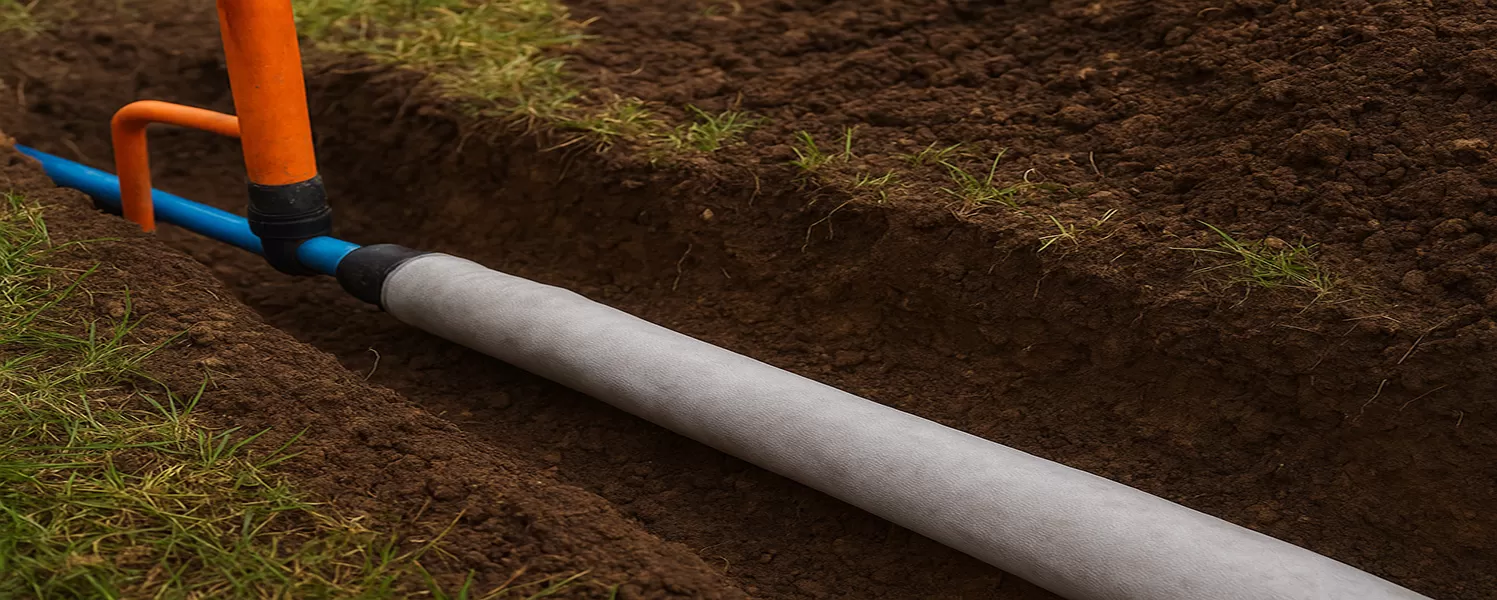
maintaining plumbing infrastructure in commercial and strata properties often evokes images of jackhammers, destroyed flooring, and significant operational downtime. Traditional pipe replacement methods, while effective, are invasive. They typically require excavating driveways, damaging landscaped areas, or breaking through concrete slabs. For property managers, this translates to expensive restoration costs, noise complaints, and frustrated tenants. In modern facilities management, trenchless pipe relining has emerged as the superior standard for infrastructure rehabilitation.
Trenchless relining allows for the structural repair of damaged or deteriorating pipes from the inside out, completely eliminating the need for large-scale excavation. By utilizing Cured-In-Place Pipe (CIPP) technology, technicians can restore the structural integrity of a drainage system to a standard often exceeding the original pipe. While traditional plumbers may still suggest full excavation, industry specialists recognize that pipe relining in Sydney offers a strategic advantage for commercial and strata entities focused on cost-efficiency and business continuity.
What Is Trenchless Pipe Relining?
Trenchless pipe relining is a sophisticated rehabilitation method that rehabilitates existing pipelines without the destructive digging associated with traditional plumbing. Conceptually, it involves creating a seamless, jointless "pipe-within-a-pipe." This new inner lining is structurally independent and designed to withstand environmental pressures. When addressing issues like blocked drains in Sydney, professionals utilize epoxy resins and textile liners to seal cracks, span gaps, and smooth out irregularities.
- Diagnostic Inspection: The process begins with a CCTV camera inspection to map the pipe network, identify the exact location of the damage, and measure the pipe diameter.
- Hydro-Dynamic Cleaning: High-pressure water jets are used to scour the interior walls of the pipe, removing scale, grease, and debris to ensure the new liner adheres correctly.
- Liner Insertion: A felt or fiberglass liner, saturated with a specialized epoxy resin, is inverted or pulled into the damaged pipe through existing access points.
- Curing Process: The liner is inflated to press against the host pipe walls and cured using hot water, steam, or UV light, hardening it into a permanent, rock-solid structure.
The result is a monolithic pipe with a lower friction coefficient than concrete or clay, meaning waste flows more efficiently. Because the liner is continuous, it eliminates joints—the most common point of failure and root intrusion in traditional piping. This process is executed entirely via existing inspection openings or manholes, preserving the structural integrity of common areas, retail floors, and parking lots.
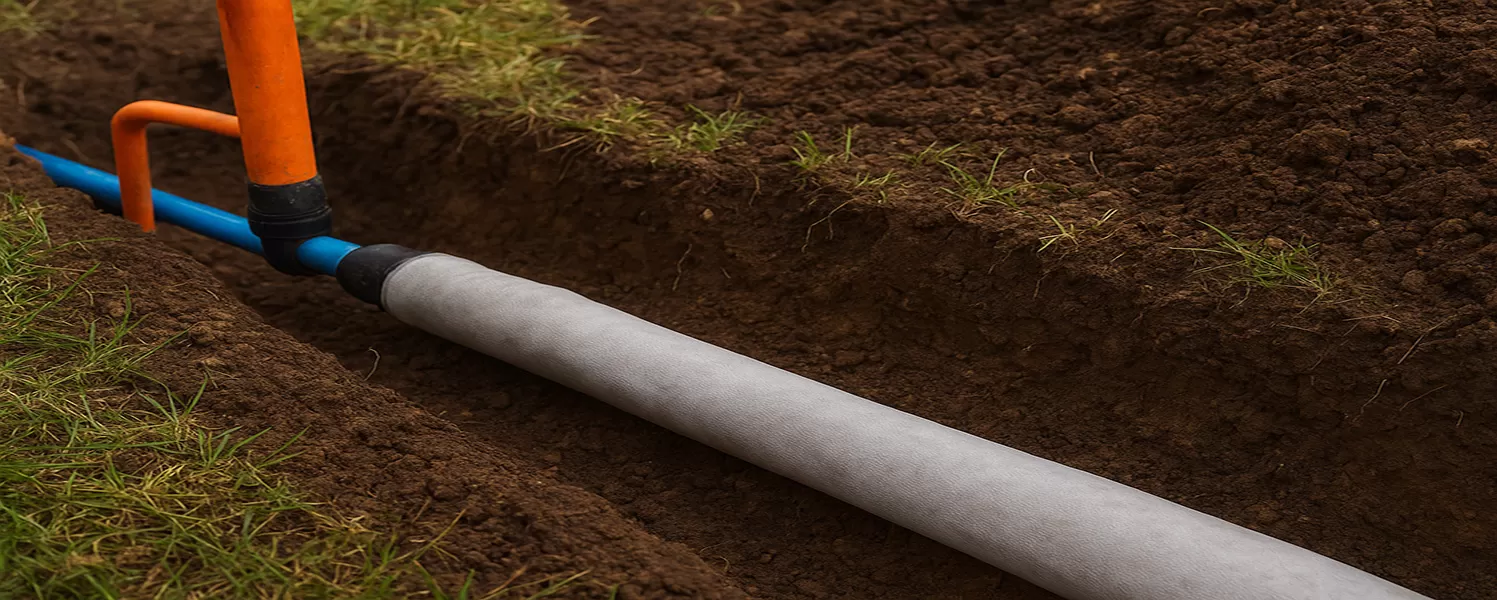
Clear Benefits of Trenchless Pipe Relining for Strata and Commercial Properties
For strata committees and commercial facility managers, the decision to reline rather than replace is driven by distinct operational advantages. The following sections detail why this method has become the preferred choice for property management across Sydney.
Minimal Disruption to Tenants and Businesses
Disruption is the primary hidden cost of plumbing maintenance. In a retail environment, a closed bathroom or excavated shop floor means lost revenue. In a strata complex, noise pollution leads to tenant grievances. Traditional pipe replacement often renders facilities unusable for extended periods.
Trenchless relining circumvents these issues by utilizing existing infrastructure access points. Technicians operate from a single upstream or downstream entry point, meaning the daily operations of the building can often continue uninterrupted.
- Noise Reduction: Without the need for jackhammers or concrete cutters, the process is significantly quieter, maintaining the livability of residential strata blocks.
- Speed of Delivery: Most relining projects are completed within a single day, compared to the days or weeks required for excavation and reinstatement.
This efficiency ensures business continuity for commercial tenants and peaceful enjoyment for residential occupiers, protecting the property manager's reputation.
Cost Savings on Restoration and Downtime
While the linear meter rate for relining materials may sometimes appear higher than raw PVC pipe, the Total Cost of Ownership (TCO) is significantly lower. Traditional trenching costs are heavily weighted towards labor, heavy machinery, and, most importantly, site restoration.
By eliminating excavation, property owners avoid the secondary costs of replacing expensive tiles, re-concreting driveways, or replanting landscaped gardens. Consider the financial implications of excavation:
- Revenue Loss: A dug-up parking lot in a commercial strata can result in thousands of dollars in lost parking fees or reduced customer footfall.
- Operational Halts: Retail stores forced to close for plumbing works face direct income loss.
- Liability Claims: Extended construction zones increase the risk of business interruption claims from commercial tenants.
Trenchless relining mitigates these risks, offering a fixed-cost solution without the variable expenses of surface restoration.
Long-Term Durability and Performance
Relining is not a temporary patch; it is a structural renewal. The epoxy resin liners used in modern CIPP applications are engineered to last between 40 to 50 years, effectively resetting the lifespan of the building's plumbing assets.
The technical advantages of the cured liner include:
- Chemical Resistance: The epoxy barrier is highly resistant to the corrosive chemicals often found in commercial kitchens and industrial wastewater.
- Root Intrusion Prevention: Being a joint-free continuous tube, there are no seams for tree roots to penetrate—a leading cause of blockages in strata gardens.
- Hydraulic Efficiency: The smooth interior surface improves flow rates, reducing the likelihood of calcification and future blockages.
For strata managers, this durability translates to a reduction in the annual maintenance budget and fewer emergency call-outs.
Safer and More Environmentally Friendly
Sustainability is increasingly a KPI for commercial property management. Excavation methods generate significant landfill waste, including old piping, concrete, and soil. Furthermore, the machinery required for trenching contributes to site emissions.
Trenchless relining in Sydney aligns with Environmental, Social, and Governance (ESG) criteria by:
- Minimizing Waste: The existing pipe remains in the ground, eliminating the need for disposal of hazardous materials like asbestos cement or contaminated soil.
- Reducing Carbon Footprint: With no heavy excavators or dump trucks required, the project’s carbon emissions are drastically lower.
- Enhancing Site Safety: Eliminating open trenches removes trip hazards and reduces the risk of accidents for the public, workers, and residents.
This approach supports green building standards and minimizes the environmental impact of infrastructure maintenance.
Scalability for Large-Scale Projects
Commercial complexes and strata buildings operate on complex networks involving boundary traps, vertical stacks, and extensive stormwater systems. Trenchless technology is highly scalable, suitable for pipes ranging from small 40mm waste pipes to large municipal culverts.
- Efficiency in Volume: Multiple pipe sections can be relined simultaneously or in rapid succession.
- Staged Implementation: Works can be scheduled in phases (e.g., floor by floor) to suit budget cycles or tenant availability.
- Deep Infrastructure Repair: It is the only viable solution for repairing pipes located beneath building foundations or swimming pools where excavation is structurally impossible.
This versatility makes it the logical choice for high-density environments like hospitals, shopping malls, and apartment towers.
Compliance and Warranty Advantages
Professional relining installations in Australia must adhere to strict plumbing codes and standards (such as AS/NZS 3500). Certified installers provide documentation that is critical for strata records:
- Visual Verification: Pre- and post-work CCTV footage serves as undeniable proof of the repair quality.
- Certification: Compliance certificates ensure the work meets regulatory requirements, which is essential for building insurance policies.
- Extended Warranties: Installation warranties often range from 25 to 50 years, offering asset owners peace of mind regarding the longevity of the repair.
Pipe Relining Case Examples From Strata and Commercial Properties
Understanding the practical application of this technology helps in visualizing the benefits. The following scenarios illustrate typical outcomes for Sydney properties:
- Sydney Strata Complex (Sewer Main): A 40-year-old apartment building faced recurring sewer blockages affecting 20 units. A 50-meter section of the main sewer line was relined over two days. Result: Tenants retained use of facilities during the majority of the work, and the landscaped communal gardens remained untouched.
- Bondi Retail Centre (Stormwater): A stormwater pipe beneath the primary customer car park collapsed, causing flooding. Excavation would have closed the lot for a week. Result: The pipe was relined overnight. The car park opened for business as usual the next morning, saving the centre significant revenue loss.
- Manly Office Tower (Vertical Stacks): A commercial building experienced leaks in vertical downpipes behind office walls. Result: The stacks were relined from the roof access points. No walls were demolished, and office tenants experienced zero downtime or dust contamination.
When to Choose Trenchless Pipe Relining
While versatile, relining is a specialized solution best applied under specific conditions. It is the ideal methodology for:
- Aging Infrastructure: Earthenware, cast iron, or concrete pipes displaying cracks, fractures, or corrosion.
- Hostile Environments: Areas with heavy tree root infestation where joints have been compromised.
- Inaccessible Locations: Pipes running under suspended slabs, driveways, swimming pools, or retaining walls.
- High-Traffic Zones: Commercial areas where closing access would result in severe financial penalties.
Note that relining requires the host pipe to have some structural shape remaining. If a pipe has completely collapsed or is significantly crushed, excavation may be the only option. However, for the vast majority of maintenance scenarios, relining offers a superior, non-invasive alternative.
Call Now To Get Free Advice And A Quote
Investing in trenchless technology ensures the long-term viability, security, and profitability of your property assets. Whether you manage a commercial facility or a residential strata complex, proactive maintenance prevents costly emergencies. For specialized advice and precision execution of trenchless pipe repair in Sydney, contact the expert team at GPS Gas Plumbing Services today.