
Understanding the Importance of Pool Leak Detection
Swimming pools are a major investment, both financially and in terms of lifestyle. Even minor leaks can lead to substantial water loss, increased chemical usage, and long-term damage to your pool structure. Detecting leaks early is essential to prevent costly repairs, conserve water, and maintain a safe swimming environment.
Signs Your Pool Might Have a Leak
- Disproportionate Water Loss: If your pool loses more than 3–5 millimeters of water within 24 hours, or more than a bucket placed alongside the pool, it indicates a leak beyond normal evaporation rates.
- Soil Saturation and Vegetation: Wet spots, soggy soil, or unusually lush patches of grass around the pool perimeter may indicate underground plumbing leaks.
- Chemical Instability: Difficulty maintaining chlorine or salt levels, or pH fluctuations despite regular dosing, may indicate water is leaking out and being replaced by untreated fill water.
- Structural Deterioration: Cracks in the bond beam, lifting tiles, or gaps between skimmers and the pool wall can serve as entry points for water loss.
- Air in the System: Air bubbles in return jets or air in the pump basket usually indicate suction-side leaks, where air is entering plumbing before the impeller.
Steps to Detect a Pool Leak
- Perform the Bucket Test: Fill a bucket with pool water and place it on a pool step. Ensure water levels inside and outside the bucket match. After 24 hours, compare levels. A greater drop in the pool confirms a leak.
- Isolate the Filtration System: Check the pump, filter, heater, and chlorinator for leaks. Puddles around equipment or water trickling down the waste line may indicate a bad spider gasket or loose connection.
- Inspect the Shell and Fittings: Examine skimmer throats, return jets, lights, and main drains. Cracks or gaps caused by material expansion and contraction are common leak points.
- Examine the Vinyl Liner: Look for tears, wrinkles, or separation at the bead in vinyl pools. Water behind a liner can shift floor material, creating hidden leaks.
- Conduct a Dye Test: With the pump off, squirt dye near suspected cracks or fittings. If the dye is drawn into the crack, you have identified the leak location.
When to Call a Professional
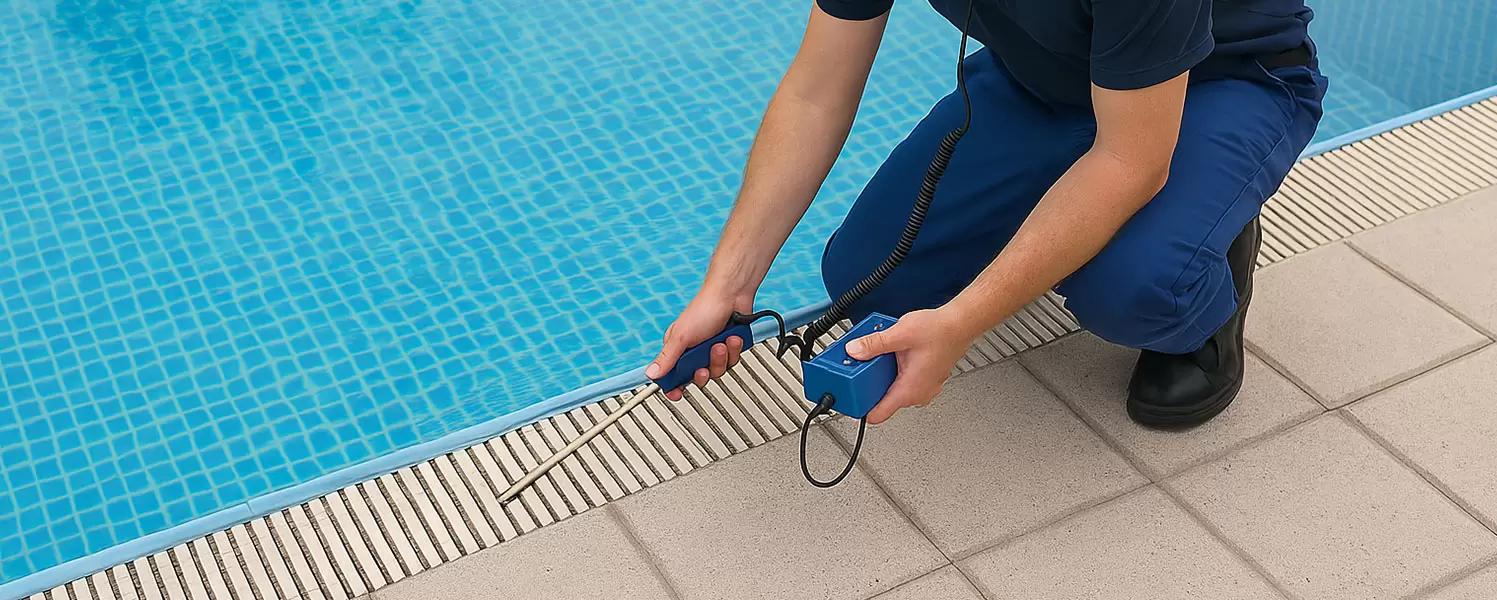
Some leaks are visible and easily fixable, but underground or structural leaks require professional expertise. Contact a qualified technician immediately if water loss persists after DIY checks. Early intervention prevents further damage, reduces water bills, and safeguards pool equipment.
Call Now: 0411 829 187Preventing Future Pool Leaks
- Routine Seal Maintenance: Regularly inspect and lubricate O-rings on pump lids and filters. Replace worn multiport valve gaskets to prevent bypass leaks.
- Chemical Balance Management: Maintain proper pH and alkalinity. Highly acidic water corrodes copper heat exchangers and cementitious layers, leading to leaks.
- Post-Event Inspections: After heavy rain or ground shifts, check pool structure. Hydrostatic pressure or debris impact can compromise liners and concrete shells.
- Equipment Upgrades: Old pipes become brittle. Installing variable-speed pumps reduces hydraulic shock and prolongs plumbing life.
The Cost of Ignoring a Pool Leak
Ignoring a pool leak leads to:
- Excessive water loss, increasing your water bill.
- Higher chemical consumption to maintain water balance.
- Damage to pool structure, tiles, and plumbing.
- Risk of surrounding soil erosion and landscaping damage.
- Potential failure of pumps, filters, or heaters due to inadequate water levels.
Proactively detecting and repairing leaks can save thousands of dollars and extend the life of your pool.
Choosing the Right Professional for Leak Detection
Look for:
- Certified and experienced pool technicians.
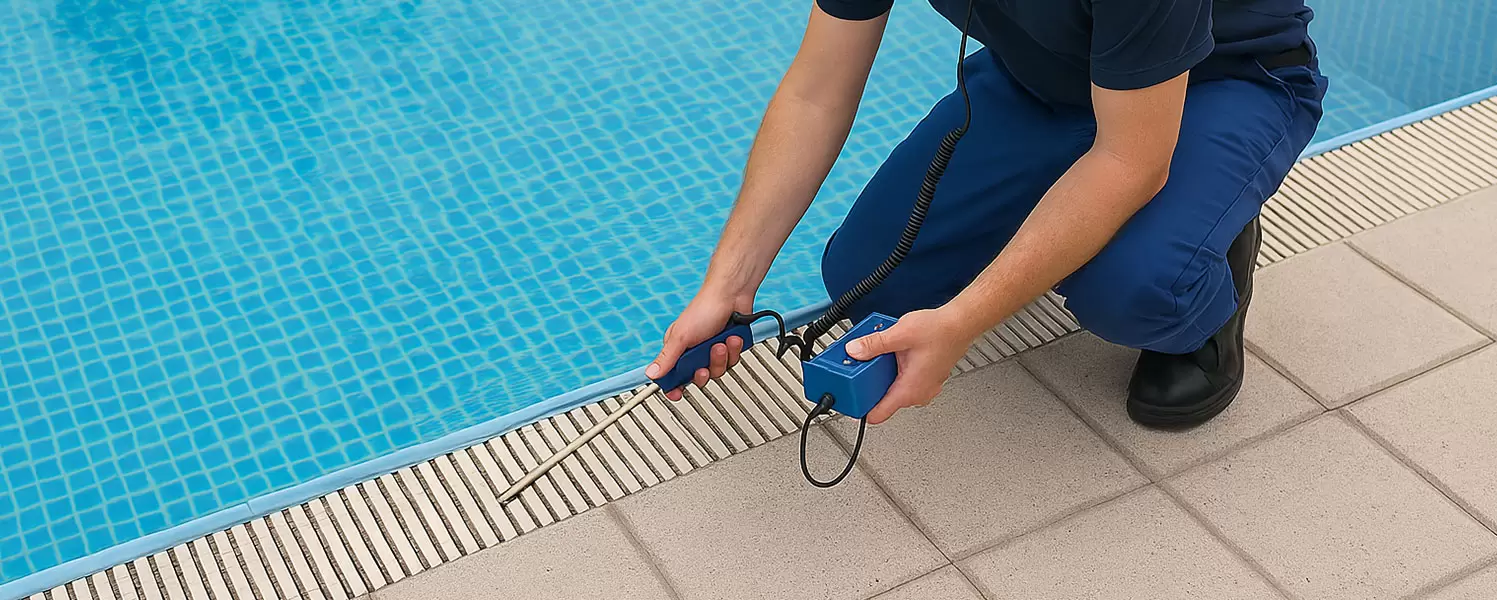
- Availability of specialized tools like electronic leak detection and pressure testing equipment.
- Knowledge of both in-ground concrete and vinyl liner pools.
- Transparent pricing and written estimates before work commences.
- Positive reviews and recommendations from local clients in Sydney.
Advanced Professional Techniques
- Electronic Leak Detection: Uses ultrasonic and pressure technology to locate leaks without excavation.
- Pressure Testing: Isolates sections of plumbing to determine if water escapes under controlled pressure.
- CCTV Pipe Inspection: Cameras inspect underground or inaccessible piping for cracks or blockages.
- Structural Repairs: Professionals can reline, seal, or patch leaks in concrete, fiberglass, or vinyl pools safely and efficiently.
Conclusion
Pool leak detection in Sydney is essential to safeguard your investment and maintain a safe swimming environment. Early identification of leaks prevents water wastage, reduces chemical costs, and protects the structural integrity of your pool. By monitoring water levels, performing routine inspections, and seeking professional help when needed, you can ensure that your pool remains efficient, safe, and enjoyable year-round.
Whether you notice minor water loss or signs of structural damage, proactive action is key. Do not wait until the leak worsens. Contact a certified professional for accurate diagnosis and repair to save money, time, and water.
Call Now: 0411 829 187