
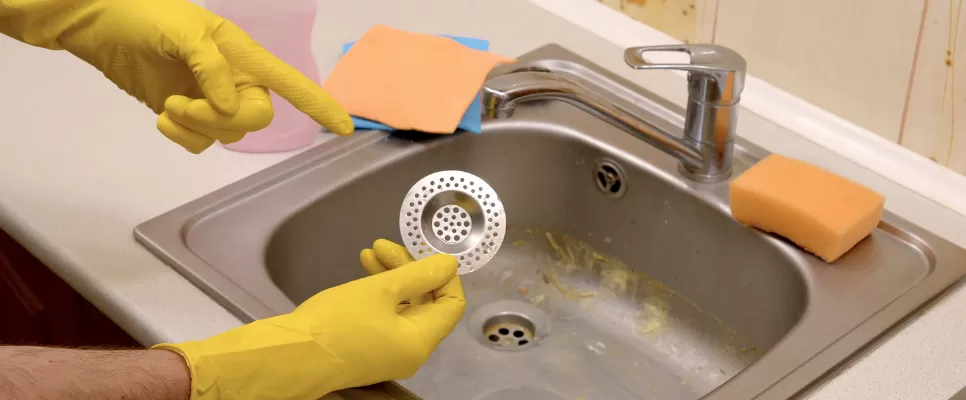
Key Takeaways for Blocked Sinks
- Boiling Water Application: Melt grease and soap residue to flush it through the system.
- Baking Soda and Vinegar: Produce expanding gas to dislodge minor organic clogs.
- Plunger Mechanics: Use alternating pressure and vacuum to break up blockages.
- P-Trap Maintenance: Disassemble the U-bend to manually remove heavy debris.
- Drain Snaking: Use a flexible auger to hook and extract fibrous materials deep in the pipes.
- Chemical Solvents: Reserve caustic or acidic cleaners for tough clogs only.
- Preventative Habits: Install mesh strainers and keep oils, fibrous foods, and non-flushables out of drains.
Common Causes of Blocked Sinks
- Food Waste: Starchy or fibrous foods swell in pipes, trapping debris.
- Grease and Fat: Oils solidify on pipe walls and block flow.
- Soap Scum: Hard water and soap create insoluble residues.
- Hair and Pet Fur: Forms a mesh that traps grease and soap particles.
- Foreign Objects: Jewelry, bottle caps, or toys can block the P-trap.
- Mineral Scale: Hard water deposits snag debris on pipe walls.
- Small Solids: Coffee grounds, eggshells, and grains settle in traps over time.
- Hygiene Products: Wipes and cotton swabs don’t dissolve like toilet paper.
- Improper Pipe Installation: Bad slopes and bends reduce water velocity.
- Tree Roots: Underground pipes can be infiltrated by roots seeking moisture.
Essential Safety Precautions
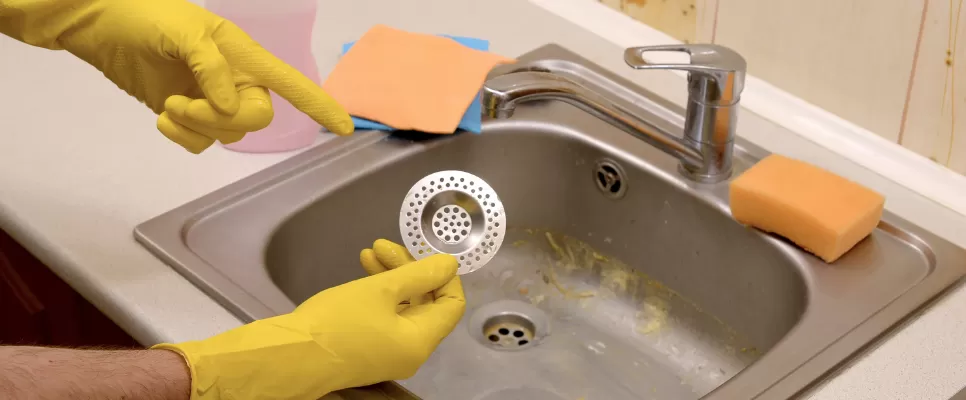
- Wear PPE: Gloves and goggles protect against bacteria and chemicals.
- Ventilation: Fumes from chemicals can be hazardous.
- Electrical Safety: Turn off power near wet zones before working.
- Compatible Tools: Ensure snakes and plungers are suitable for pipe material.
- Hydraulic Control: Avoid excessive plunging force.
- Do Not Mix Chemicals: Can create toxic gases or explosive reactions.
- Thermal Care: Avoid pouring boiling water on porcelain or plastic pipes.
- Inspect Pipes: Check for rust, cracks, or loose fittings.
- Sanitary Disposal: Bag removed clog material to avoid contamination.
- Know When to Call Professionals: Persistent clogs need expert intervention.
How to Unblock a Sink
- Plunger Method: Add water, block the overflow, and pump to loosen clogs.
- Drain Snake: Insert a flexible auger to extract hair and debris.
- Boiling Water: Melt grease deposits after mechanical cleaning.
- Baking Soda & Vinegar: Use acid-base reaction to dislodge soft clogs.
- Salt & Hot Water: Abrasive and desiccant properties help clear minor blockages.
Tools for Sink Drain Cleaning
- Plunger: Flat cup for sink basins.
- Drain Snake: Coiled metal cable for deep clogs.
- Drain Brush: Removes slime in vertical pipes.
- Zip-It Tool: Barbed plastic strip for shallow clogs.
- Wire Hanger: Makeshift snake for hair removal.
- Drain Bladder: Uses water pressure to flush blockages.
Shower Drain Clogging Causes
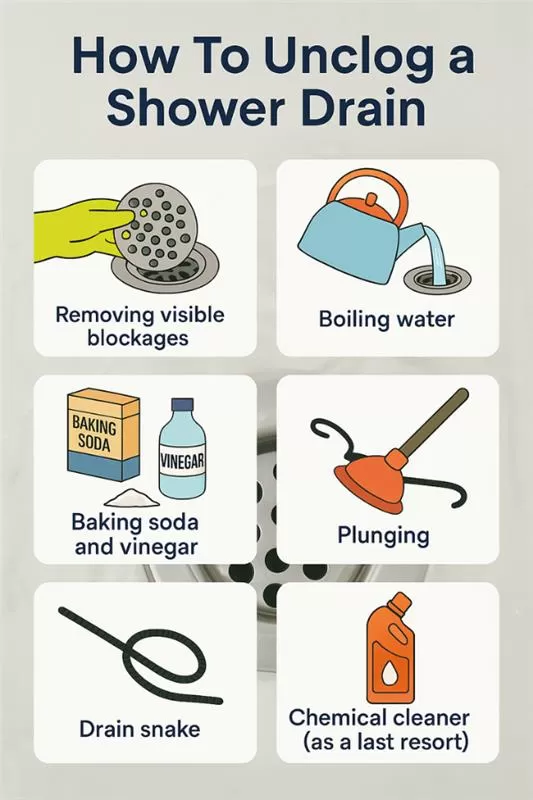
- Hair: Forms nets with soap and grease.
- Soap Scum: Bar soap fats solidify over time.
- Mineral Precipitation: Hard water leaves calcium deposits.
- Product Residue: Conditioners and oils leave sediment.
- Particulates: Dirt and grit settle in the trap.
- Foreign Objects: Razor caps, jewelry, etc.
- Lipid Buildup: Oils form biofilms for debris adhesion.
- Fibrous Materials: Loofah fibers can clump.
- Root Intrusion: Underground tree roots.
- Poor Installation: Bad slope or venting reduces water velocity.
Natural Cleaning Solutions for Shower Drains
Baking Soda & Vinegar Reaction
- 1/2 cup baking soda into the drain.
- 1 cup vinegar over baking soda.
- Cover drain, let react 30 min, flush with boiling water.
Salt & Baking Soda Thermal Flushing
- Mix 1/2 cup salt & 1/2 cup baking soda, pour into drain.
- Let sit 30 min or overnight.
- Flush with boiling water.
Degreasing with Dish Soap
- Pour 1/4 cup liquid dish detergent.
- Follow immediately with hot water.
Mechanical Agitation
- Use a cup plunger to pump and dislodge blockages.
- If needed, insert a drain snake to extract hair masses.
Tools for Shower Drain Cleaning
- Cup Plunger: Flat surface for showers.
- Drain Snake: Corkscrew tip for hair and debris.
- Hydro Jet: High-pressure water cleaning.
- Chemical Drain Openers: Use with caution.
- Drain Bladder: Expands to flush blockages.
- Pipe Wrench & Tape: For P-trap disassembly.
- Endoscope Camera: Inspect deep pipes.
Professional Methods & When to Call a Plumber
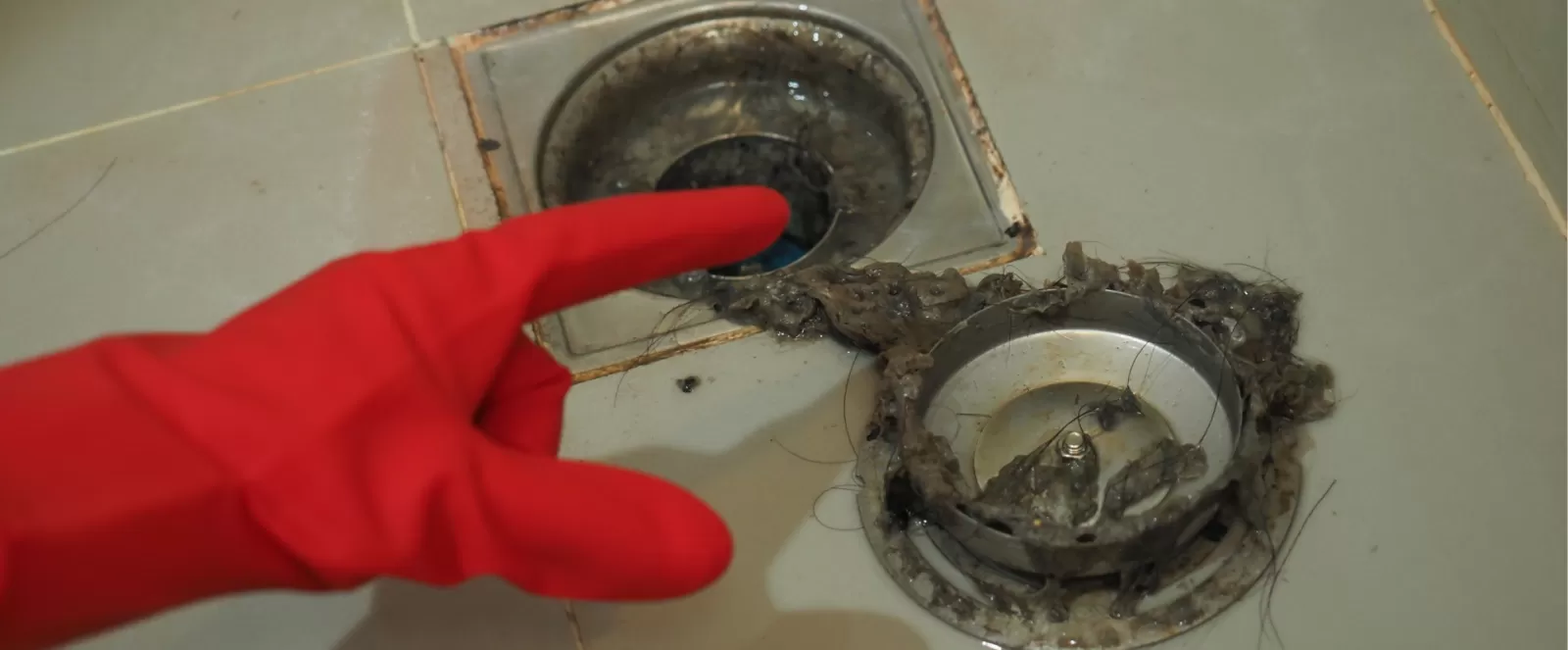
Indicators for Professional Intervention
- Recurrent Blockages: If the drain clogs again shortly after clearing, the obstruction may be deep in the main sewer line or caused by a structural defect.
- Sewer Odors: Smell of rotten eggs (hydrogen sulfide) indicates sewer gas escaping due to a dried trap, blocked vent stack, or broken pipe.
- Water Backup in Other Fixtures: Toilet, sink, or laundry drains backing up suggests a central line issue.
- Gurgling Sounds: Glugging noises indicate air blockage in vent pipes or main sewer line.
- Chemical Failure: Persistent clogs that resist chemical cleaners are likely solid objects or roots.
- Multiple Slow Drains: Simultaneous slow flow across multiple fixtures signals mainline problems.
- Aging Infrastructure: Older galvanized steel, cast iron, or clay pipes are fragile and prone to collapse.
Professional Techniques for Unblocking
- CCTV Pipe Inspection: High-resolution cameras identify the exact location and cause of the blockage.
- Motorized Snaking: Electric augers cut through dense obstructions like tree roots or fatbergs.
- Hydro-Jetting: High-pressure water jets clean pipe interiors and remove grease, scale, and roots.
- Pipe Relining: Internal pipe repair without excavation when cracks or leaks are detected.
Shower Drain Chemical Treatments
1. Caustic Drain Cleaners (Lye/Sodium Hydroxide)
- Mechanism: Converts grease and hair into a water-soluble soap via saponification.
- Usage: Pour into drain, wait 15–30 minutes, flush with hot water.
- Risks: Can cause chemical burns and damage PVC, aluminum, or old pipes.
2. Acid Drain Cleaners (Sulfuric/Hydrochloric Acid)
- Mechanism: Aggressively reacts with organic material to dissolve blockages.
- Usage: Ventilate area; reserved for severe clogs.
- Risks: Can corrode stainless steel, porcelain, chrome; never use on galvanized or iron pipes.
3. Enzymatic Cleaners
- Mechanism: Bacteria and enzymes digest hair and organic debris naturally.
- Usage: Overnight treatment; safe for all pipe types.
- Benefits: Environmentally safe and ideal for preventative maintenance.
4. Oxidizing Cleaners
- Mechanism: Releases oxygen to break down organic matter.
- Usage: Safer alternative to acids or lye, good for slow drains.
- Effectiveness: Moderate; may not remove total blockage.
Safety Precautions for Chemical Use
- Wear chemical-resistant gloves and safety goggles.
- Never mix different drain chemicals; toxic gases can form.
- Notify a plumber if chemicals fail; they can be hazardous during mechanical snaking.
Preventative Measures for Sinks and Showers
- Install mesh or hair-catching strainers on drains.
- Avoid pouring fats, oils, or grease down the sink or shower.
- Flush drains regularly with hot water to prevent buildup.
- Perform routine inspection of traps and visible pipes for debris.
- Use enzymatic cleaners periodically to maintain clear pipes.
Conclusion
Blocked sinks and shower drains are a common issue in Sydney households, caused by hair, soap scum, grease, food debris, and improper plumbing. Minor clogs can be addressed using home remedies like baking soda and vinegar, salt, or dish soap, along with mechanical tools such as plungers and drain snakes. Chemical treatments are effective but should be used with caution, following all safety guidelines.
Persistent or severe blockages require professional intervention. Plumbers in Sydney use advanced techniques including CCTV inspection, motorized snaking, hydro-jetting, and pipe relining to ensure safe and long-lasting drainage solutions. Preventative maintenance is key: installing strainers, avoiding pouring grease down drains, and using enzymatic cleaners regularly will minimize the risk of future blockages.
Whether it’s a clogged sink or shower, following these techniques and precautions ensures a safe, hygienic, and efficient plumbing system, avoiding costly repairs and maintaining household comfort.