
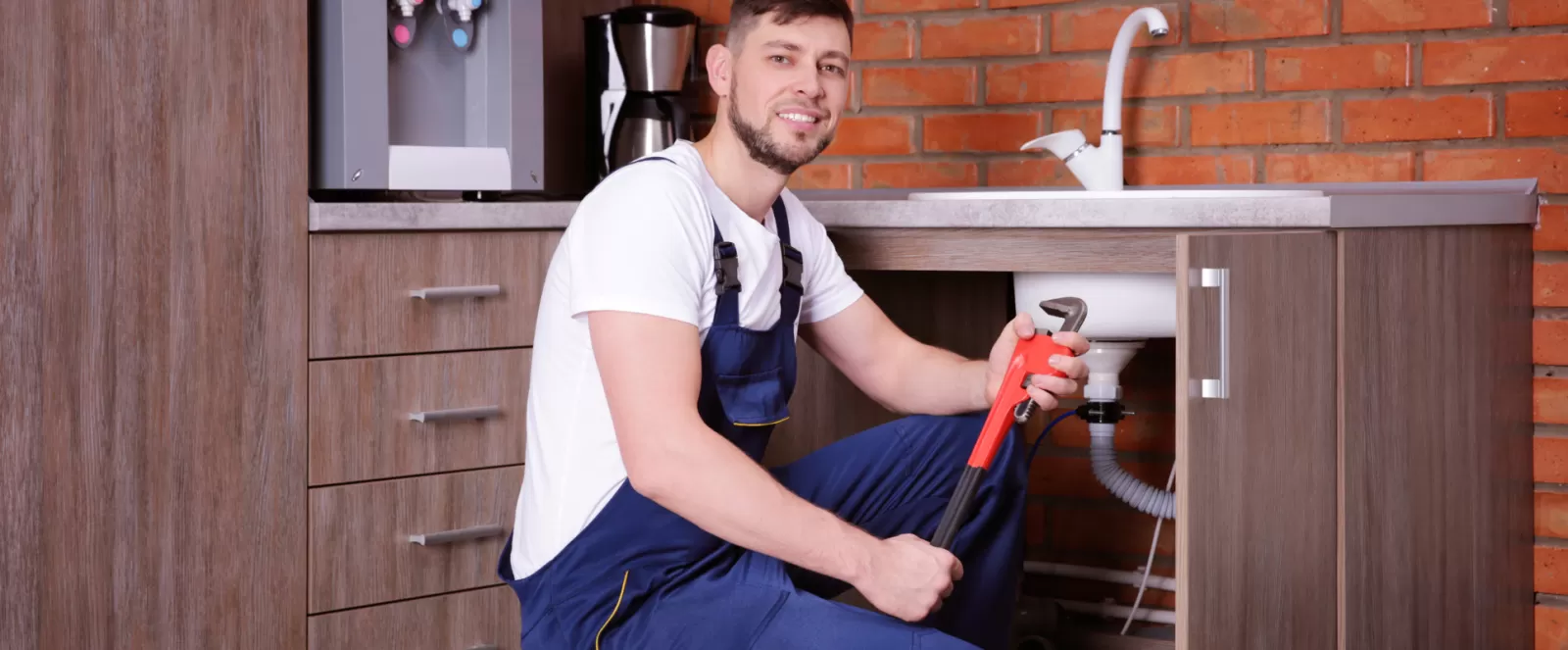
There are few things in a home more frustrating than pulling the plug on your sink, only to watch the water stubbornly sit there. A blocked drain is a massive headache that can disrupt your entire day, cause foul odors, and if left unchecked, lead to serious property damage.
As a trusted plumber Sydney residents have relied on for years, the team at GPS Gas Plumbing Services gets asked one question more than any other: "How much is this going to cost me to fix?"
To help you understand exactly what you are paying for, we’ve put together this comprehensive guide on the causes, types, and real costs of unblocking a drain.
What Causes Blocked Drains?
Before we can talk about the cure, we need to look at the disease. Drains don't just block themselves. Here are the most common culprits we pull out of Sydney pipes every single week:
- Collection of Grease and Fat: In the plumbing world, we call these "fatbergs." They form when cooking oils, bacon grease, and fats are poured down the kitchen sink. As these hot liquids cool in the pipes, they solidify and coat the internal walls. Over time, this sticky layer traps food scraps and debris, forming a solid plug.
- Hair Buildup: In bathroom drains, hair is public enemy number one. Hair strands do not degrade easily. Instead, they bind with sticky soap scum, shampoos, and thick conditioners to create tough, fibrous tangles that lodge firmly in the S-bend or trap, severely restricting water flow.
- Foreign Objects: We see it all the time: sanitary items, thick paper towels, cotton buds, small children's toys, and the biggest culprit of all—"flushable" wipes. Despite the marketing on the packet, these wipes do not break down like toilet paper. They create an immediate physical barrier in your pipes that often requires professional mechanical extraction.
- Tree Root Infiltration: Tree roots are incredibly smart; they are naturally attracted to the moisture and nutrients flowing through your sewer lines. Roots can easily penetrate minute, hairline cracks in older clay or PVC pipes. Once inside, they grow into thick, dense masses that not only block the water flow but can also shatter the pipework entirely.
- Pipe Damage or Collapse: Sometimes, the pipe itself is the problem. Structural failure due to shifting soil, improper installation, heavy vehicles parking overhead, or age-related corrosion can cause a pipe to collapse inward. This stops flow entirely and often mimics a standard blockage, requiring specialized camera imaging to accurately diagnose.
- Build-up of Soap Scum and Minerals: In areas with hard water, mineral deposits (scale) can slowly accumulate on pipe walls, narrowing the passage much like plaque in an artery. Combined with soap residue, this creates a rough, sandpaper-like surface that catches passing solids, accelerating the formation of a blockage.
Types of Drain Blockages
Not all blockages are created equal. The severity of the clog directly impacts how we tackle the problem.
- Minor Blockages: These are localized issues affecting just a single fixture, such as a bathroom vanity draining slowly or a kitchen sink backing up slightly. The obstruction is usually shallow and located right in the P-trap (the curved pipe under the sink). Clearing these is generally quick, requiring only basic manual tools, resulting in the lowest service costs.
- Moderate Blockages: A moderate blockage occurs deeper down in the branch lines of your plumbing, potentially affecting multiple fixtures simultaneously (e.g., your toilet gurgles when the shower is draining). These are often caused by heavily compacted soft debris or massive hairballs and typically require mechanical tools, like an electric drain cleaner (often called an "electric eel"), to safely dislodge.
- Severe Blockages: These are plumbing emergencies. They involve the main sewer line and affect the entire property's drainage system. Symptoms include raw sewage backflow flooding your yard or gurgling toilets throughout the house. Causes are usually structural, such as severe tree root intrusion or crushed pipes. Remediation requires heavy-duty equipment like hydro-jetters and CCTV diagnostics, representing the highest cost tier.
Factors Affecting the Cost of Unclogging a Blocked Drain
When you call a Sydney plumber, giving an exact quote over the phone is nearly impossible without seeing the issue first. Here is why the costs can vary:
1. Location:
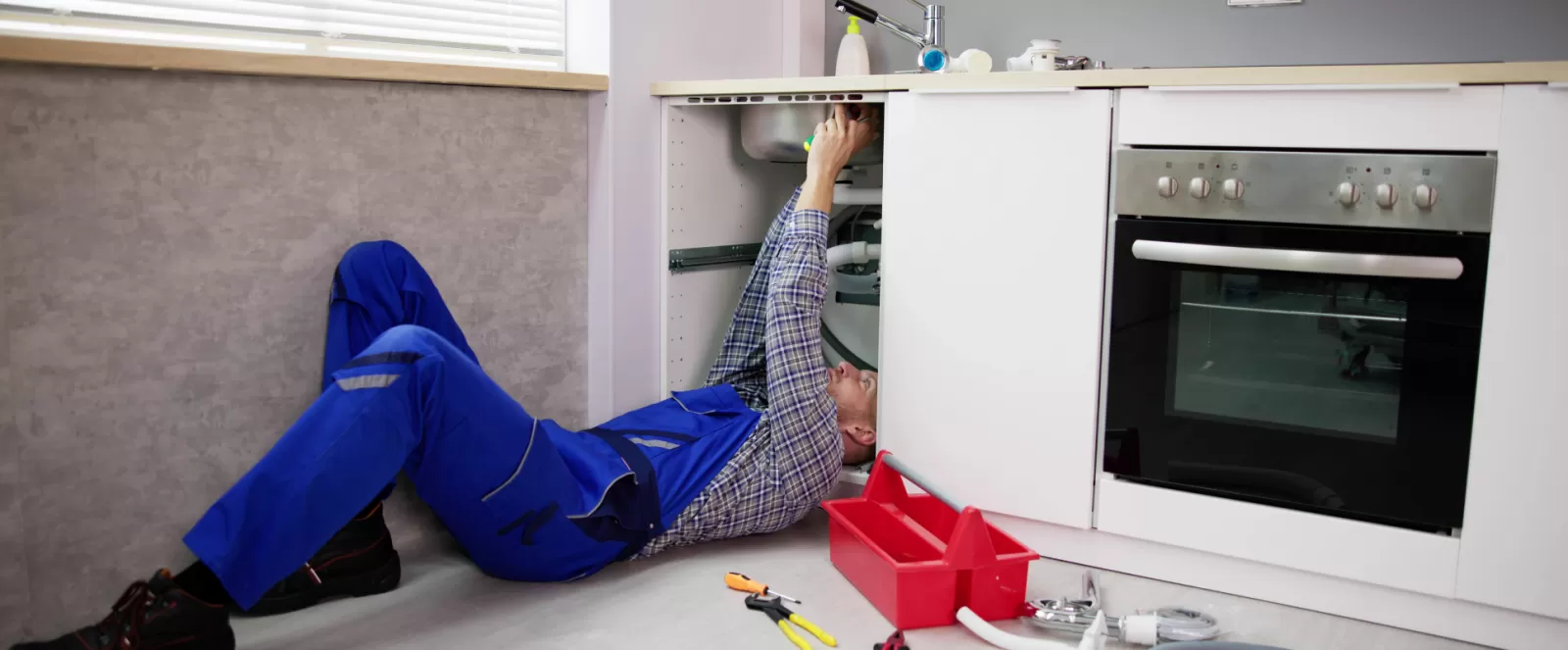
Travel time and tolls factor into the initial call-out fee. Furthermore, where the blockage is located on your property dictates how long it takes to fix. A clog right under the kitchen sink is far faster to access than a blockage buried deep in a stormwater drain at the back of a large, sloping block.
2. Time of Service:
Plumbing disasters rarely respect standard 9-to-5 business hours. If you need immediate assistance at 2:00 AM, on a Sunday, or during a public holiday, you will incur after-hours penalty rates. This compensates the plumber for being on-call and working unsociable hours.
3. Severity of the Blockage:
A simple ball of hair takes five minutes to remove. A solid concrete-like mass of grease or a pipe completely choked by thick tree roots can take hours of intensive labor to clear properly.
4. Methods of Clearing the Blockage:
The tools required for the job make a big difference to the final invoice:
- - Plunger: Used for hydraulic displacement of minor clogs near the drain opening. This is the standard tool for basic service calls and incurs no additional heavy equipment fees.
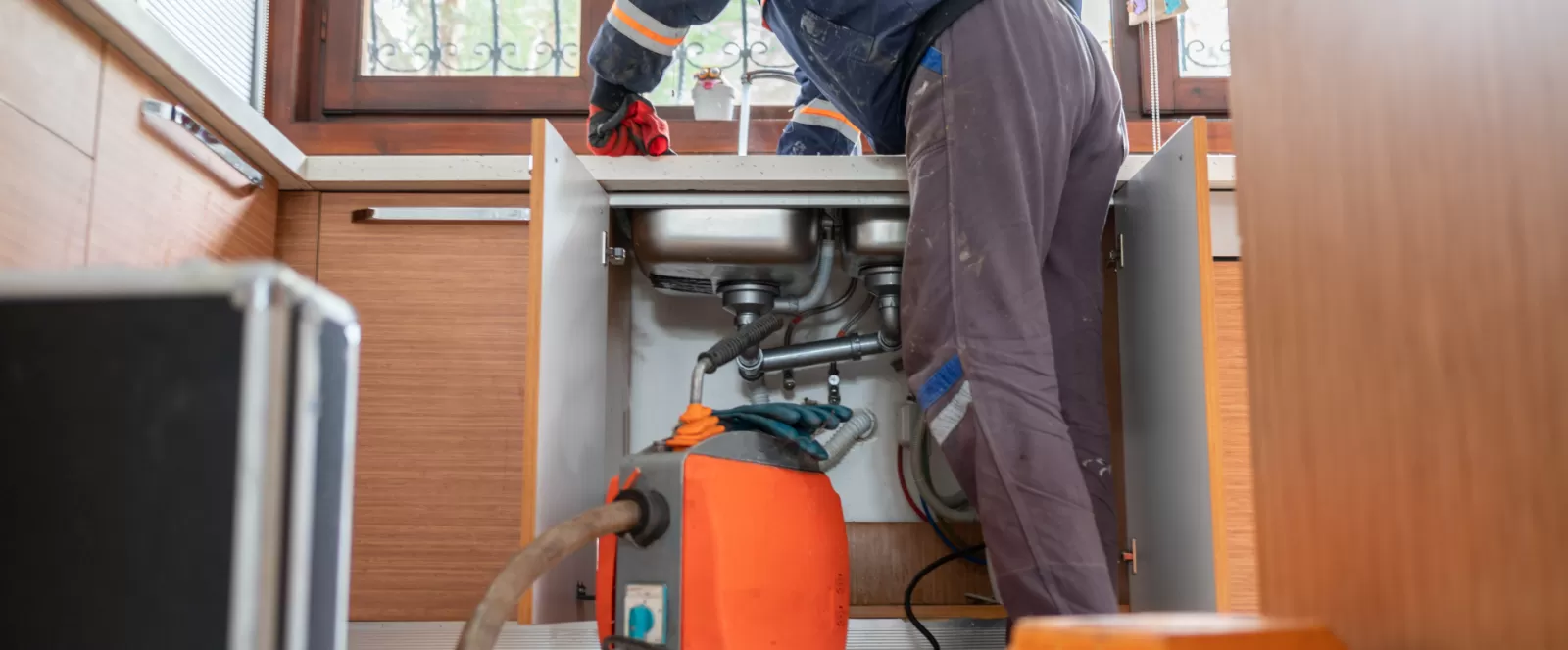
- - Drain Snake (Electric Eel): A motorized steel cable with a sharp cutting head designed to bore through stubborn obstructions like hair or soft roots. This involves a higher equipment fee and highly skilled labor to operate safely without damaging the pipes.
- - Hydro Jetting: This premium method uses a specialized machine to blast high-pressure water streams (up to 5000 PSI) backward through the pipe. It scours the pipe walls completely clean, slicing right through stubborn roots and grease.
- - CCTV Drain Inspection: To accurately diagnose recurrent or hidden issues, plumbers insert a high-definition fiber-optic camera into the line. This diagnostic step is critical for identifying breaks or root entries, but adds a distinct cost for utilizing the technology and analyzing the footage.
5. Pipe Accessibility:
If we can access the blockage via an existing inspection opening (IO) in your yard, the job is straightforward. If we have to remove toilets, cut into drywall, or temporarily dismantle custom kitchen cabinetry to reach the pipes, the labor time and costs will naturally increase.
6. The type of pipes, pipes age and condition:
Working on brand-new, sturdy PVC pipes is relatively easy. However, if your home has brittle, 60-year-old terracotta clay pipes, we have to work incredibly slowly and carefully to avoid shattering them, which extends the time spent on the job.
Average Cost of Clearing a Blocked Drain in Australia
While every job is unique, here is a general breakdown of what you can expect to pay for clearing a blocked drain in the current market:
- Minor Blockages: For a simple plunging or hand-tool job on a single fixture, expect to pay between $150 and $300. This typically covers the plumber's call-out fee and the first 30 minutes of labor required to safely dislodge a local obstruction.
- Moderate Blockages: If a motorized electric drain machine (snake) is required to clear a stubborn branch line, costs typically range from $300 to $600. This accounts for the specialized equipment usage and the additional labor time required to ensure the line is fully flowing again.
- Severe Blockages: Major works involving main sewer lines, hydro-jetting machines, and CCTV camera inspections generally start from $600 and can easily exceed $1,500 depending on the complexity. If the camera diagnosis reveals a collapsed pipe necessitating a burst pipe repair, pipe relining, or physical excavation, these structural construction costs will be quoted separately.
- Emergency Call-Outs: For urgent attendance outside of standard business hours, pricing structures change significantly. Emergency plumbers typically charge a higher mobilization call-out fee (often $150–$250) plus hourly rates that can range from $250 to $450 per hour. This ensures rapid response to mitigate catastrophic property damage or biohazard flooding.
How to Save Money on Clearing a Blocked Drain?
The absolute cheapest plumbing repair is the one you never have to make! Here is how you can keep your money in your wallet:
- Regular Maintenance: Prevention is always cheaper than a cure. Spend a few dollars at the hardware store to install mesh drain strainers in your sinks and showers to catch hair and food scraps. Never pour cooking oils down the sink! Instead, wipe greasy pans with a paper towel. Additionally, periodically flush your kitchen drains with hot water to help keep minor fats in a liquid state until they exit the property's system.
- Use a Plunger First: For slow-draining sinks or toilets, a quality flange plunger is an incredibly effective first line of defense. Correct, vigorous plunging technique can often dislodge minor local blockages by forcing water back and forth, saving you the cost of a service call entirely.
- Preventive Measures: Be strictly mindful of what enters the toilet. "Flushable" wipes are an absolute myth and are a leading cause of expensive blockages; always dispose of them in the rubbish bin. Outside, ensure your yard grates and gutters are clear of leaves and debris to prevent stormwater system backups during heavy rain.
- Get Multiple Quotes: For non-emergency work, don't be afraid to contact multiple licensed providers. Ask them for a clear breakdown of their "call-out fee" versus their "hourly labor rate." Some reputable companies offer flat-rate, upfront pricing for specific standard jobs, which can protect you from massive cost blowouts compared to open-ended hourly billing.
Conclusion
Dealing with a blocked drain is undoubtedly stressful, but understanding the mechanics behind the clog and the true costs involved puts you firmly back in control. From minor hair blockages in the shower to massive tree root invasions in the main sewer, taking swift action is the best way to prevent a small plumbing annoyance from turning into an expensive property disaster.
If you're staring down a stubborn sink or a bubbling toilet, don't wait for it to get worse. The friendly, fully licensed team at GPS Gas Plumbing Services is equipped with the latest technology to clear your drains quickly, safely, and affordably. Give us a call today, and let's get your plumbing flowing perfectly again!